2002 Ford F-150 Trailer Brake Controller
Choosing a trailer brake controller for a 2002 Ford F-150 starts with the wiring and mounting points already present on the truck. Many of these pickups left the assembly line with a towing package, but the under-dash connector shape and the amount of pre-wired cabling can vary by trim and build date. The controller applies trailer brakes in proportion to the truck brakes, so matching the control type to your trailer’s electric brake system matters. Before buying, inspect the vehicle fitment, the brake pedal feel, and the condition of the trailer wiring.
The direct answer
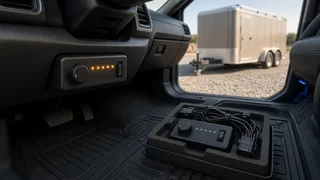
A 2002 Ford F-150 can accept either a time-delayed or a proportional trailer brake controller. The practical choice depends on how the truck is wired and how predictably you want the trailer brakes to engage. A proportional controller reads the tow vehicle’s deceleration and sends a matching signal to the electric brakes, which usually gives smoother stops than a timer-based unit that ramps up a preset output. If the pickup already has the factory towing harness, installing a plug-in controller is often straightforward, but the exact connector style should be verified under the dash before ordering.
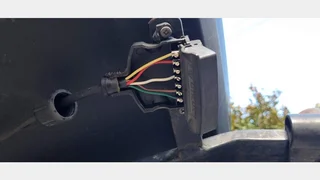
The main condition that changes the answer is whether the factory trailer brake wiring is complete and in usable shape. On some 2002 F-150 models, the cab may have the brake controller connector but no power or brake output wire run to the rear seven-way socket. On other trucks, the harness may stop under the hood at a blunt-cut bundle. A cheap test light or a trailer simulator can confirm whether the controller will actually send signal to the trailer brakes. Without that signal path, even a well-matched controller or fresh brake fluid will not stop the trailer correctly.
You may also see discussions of brake pads, calipers, and friction material when searching for this controller. That is because a brake controller does not replace the truck’s foundational brake condition. The controller depends on a firm pedal and a functioning stop lamp circuit. Worn brake rotors or a caliper drag change how the truck decelerates, which can make a proportional unit behave inconsistently. Checking brake pad wear and wear limits is not just routine maintenance; it is part of getting consistent trailer braking before you purchase a controller.
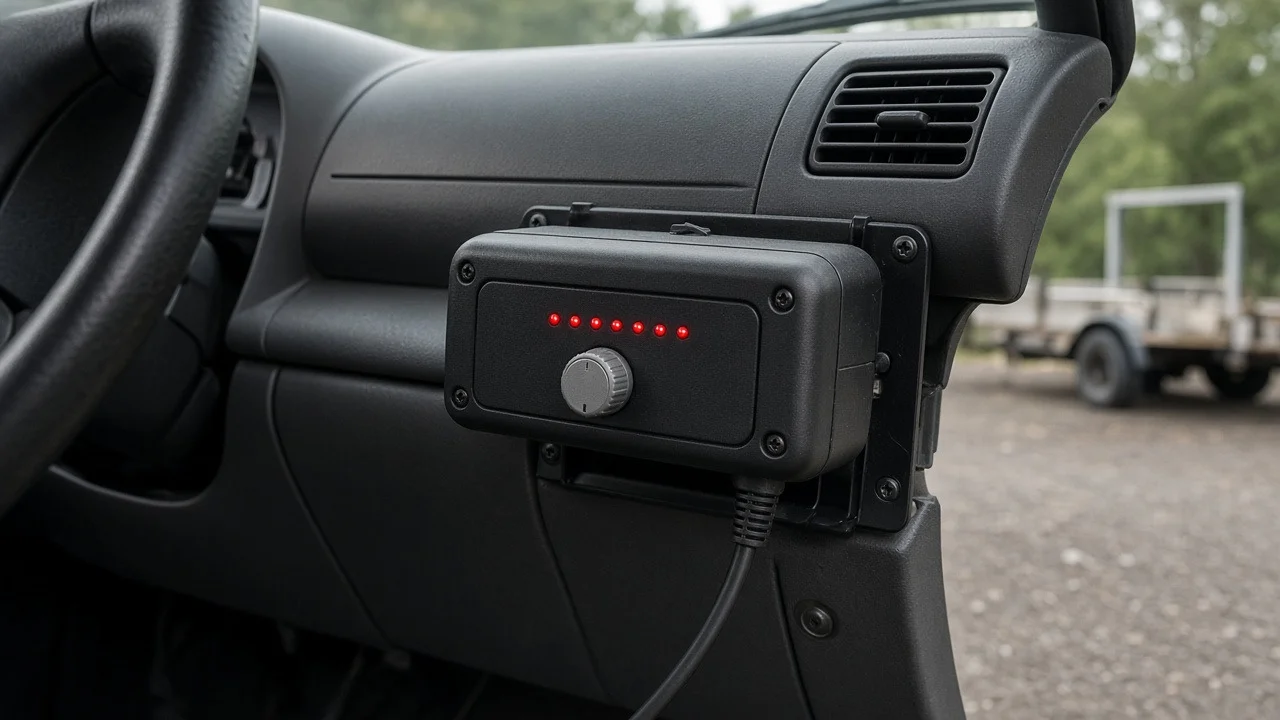
For an older truck, vehicle fitment goes beyond the physical dash mount. Look for a controller with a bracket that suits the lower knee panel, and consider whether the wiring harness adapter is specific to the 2002 model year. A generic adapter may power the unit but fail to carry the brake signal. If your truck has a factory four-pin connector only, you will need more than a controller: a separate seven-way conversion and a brake output circuit are required. That conversion, not the controller itself, is often the larger part of the job.