Ford F-150 trailer brake controller installation

Adding a trailer brake controller to an F-150 changes how confidently the truck manages a loaded trailer. The job centers on connecting an in-cab module to the truck’s existing brake signal and trailer wiring so the driver can adjust trailer braking force from the dash. Because many F-150s are pre-wired or support an integrated controller, the scope of the work depends on trim, factory options, and the connector already present under the dash. A successful installation should preserve the truck’s normal brake pads, rotors, calipers, and hydraulic brake fluid behavior while giving separate, proportional braking control to the trailer’s electric brakes. Understanding the electrical path and possible fitment differences helps owners avoid cutting into the wrong harness.
Essential answer
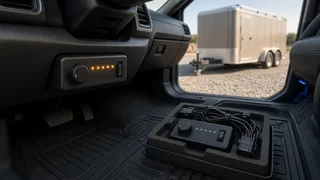
The essential answer is that most Ford F-150 trailer brake controller installation work follows a predictable path: confirm whether the truck already has a factory controller, locate the under-dash connector and mounting position, install the approved controller, and verify communication with the trailer brake output circuit. Trucks equipped with the factory trailer tow package often simplify the process because the chassis harness already carries the brake signal, power feed, and ground. An aftermarket or Ford accessory controller must match the connector style and be secured where the driver can reach the manual lever without disturbing normal foot-brake operation. Fitment is the first real qualification, because not every controller plugs into every model year the same way.
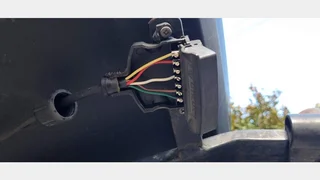
A trailer brake controller does not replace the truck’s foundation brakes or their friction material and wear limits. The hydraulic system still uses the brake pedal, brake fluid, calipers, brake pads, and rotors to slow the truck. The controller adds an electrical output that energizes the trailer’s brakes, usually with gain and boost settings that shape how quickly trailer braking responds. During installation, the critical wiring points are the brake light switch signal, battery power, ground, and the blue trailer brake feed running toward the seven-way connector. If the truck already has this circuit terminated in a factory plug, the physical install may be mostly plug-in; if not, identifying the correct blunt-cut or pass-through wires requires careful tracing.