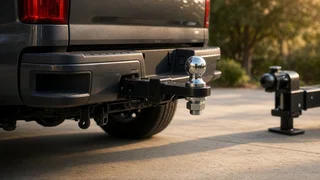
2-5/16 Ball Trailer Coupler
Choosing a 2-5/16 ball trailer coupler means matching the coupler to the trailer's frame, weight ratings, and the tow vehicle's hitch setup. This heavy-ball size appears on larger utility, cargo, and equipment trailers because it resists accidental uncoupling under load. The right purchase depends on how the coupler mounts, its latch condition, and the combined weight rating of the whole rig. Buyers comparing replacements should look beyond the ball diameter and examine the channel width, mounting hole pattern, and whether the design is weld-on or bolt-on.
The direct answer
A 2-5/16 ball trailer coupler hitch should be selected by measuring the trailer tongue's width and confirming the mounting configuration before purchase. The coupler must fit the existing ball size, but the mounting style matters just as much. Bolt-on couplers use a hole pattern that has to line up with the tongue, while weld-on versions attach directly to formed channel or square tube. A replacement that is too narrow will not slide over the tongue, and one with a different latch design may not close cleanly over the hitch ball.
The safe choice also accounts for tongue weight and gross vehicle weight rating. A coupler rated below the trailer's loaded weight can deform or release under stress. Check the class rating stamped on the housing and compare it with the payload carried by the trailer. The ball clamp should engage fully around the ball's neck, and the latch should stay locked without excessive play. When in doubt, choose a coupler sized for the trailer's axle rating and the heaviest load you actually tow.