Winter Tire Sipes Explained
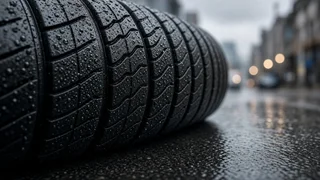
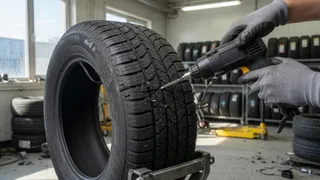
Winter tire sipes are thin, razor-like slits molded across a tire's tread blocks. Their purpose is not obvious from a quick glance, yet these small cuts fundamentally change how a tire behaves on snow, slush, and ice. The edges they create bite into loose or slick surfaces while the narrow channels help move moisture away from the contact patch. Understanding their function helps drivers compare winter tire designs and recognize why tread appearance alone does not reveal cold-weather capability.
Essential answer
A winter tire sipe is a small groove cut into a tread block, much shallower and narrower than the main water-evacuation grooves. When the tire rolls, the sipe opens slightly as the rubber meets the road, creating hundreds of additional biting edges. These edges act like tiny scrapers, gripping packed snow, polished ice, and loose surface material. Without them, a tire relies mostly on the outer perimeter of its tread blocks and has far less mechanical interlock with the road.
Sipes also manage the thin film of water that forms when a warm tire contacts cold ice. The slit provides a place for that moisture to wick away, helping the rubber maintain more direct contact with the frozen surface. This dual role, adding edges and removing meltwater, is why siping changes traction more than simply adding more grooves would. The effect is especially important during braking, cornering, and gentle acceleration where a stable contact patch determines available grip.