Why Is My Front Motorcycle Tire Cupping
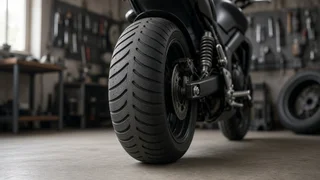
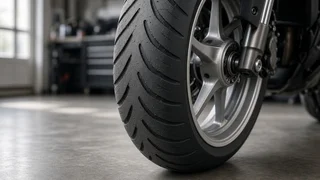
Cupping on a front motorcycle tire shows up as uneven, scalloped wear blocks spaced around the tread, and it can make the front end feel loose, noisy, or vague mid-corner. You are right to suspect the tire, but the pattern is usually a symptom rather than an isolated tire defect. Inflation pressure, suspension damping, steering-head adjustment, wheel balance, and tire design all interact to create the wear. Understanding that interaction helps you separate a simple pressure problem from a suspension or chassis issue before you replace the tire and watch the same pattern return.
Essential answer
The direct answer is that a front motorcycle tire cups when the contact patch is repeatedly loaded and unloaded unevenly as the tire rolls. This creates high and low spots around the circumference, typically starting on one side of the tread blocks. The front tire is especially vulnerable because it carries significant braking force and responds to every small chassis movement, while the contact patch is narrow and steeply profiled.
A cupped tire is not automatically defective. The pattern commonly comes from a combination of moderate underinflation, worn or misadjusted suspension, loose steering bearings, or an out-of-balance wheel. The tire size, load index, and speed rating must also suit the motorcycle. If any of those factors is outside the motorcycle manufacturer’s specification, the tire can flex in a way that concentrates wear and accelerates the scalloped pattern.
How it works
As the front tire rolls, the tread blocks constantly pass through a loaded zone where they deflect against the pavement. When the fork or wheel allows repeated oscillation, the blocks scrub slightly as they enter and leave that zone. The leading and trailing edges of the blocks wear at different rates, producing the diagonal or stepped surface that riders describe as cupping or scalloping.
Tread design influences how visible the problem becomes. A tire with large independent blocks and deep grooves gives edges more room to move, so the pattern may appear sooner even when the chassis is in acceptable condition. The correct cold inflation pressure matters because it controls sidewall and tread flex. Pressure below the figure on the vehicle placard or owner’s manual allows more carcass movement, which can turn a minor oscillation into noticeable tread deformation.
Strengths, limitations and suitability
A properly inflated front tire matched to the motorcycle’s size and load rating offers predictable steering and stable braking. The limitation is that no tire operates in isolation. Worn fork oil, weak springs, or an aggressive sport-touring tread can all make the same inflation setting feel harsh or produce uneven tire wear, so the tire alone cannot correct a suspension deficiency.
This tire and wear issue suits riders who check pressure regularly and understand that front-end feedback changes as the tire ages. It is less ideal for those who treat the tire as a maintenance-free part. For general road use, the drivetrain compatibility question is secondary because the front tire is not powered, but the tire still must match the rim diameter, width, and the motorcycle manufacturer’s speed and load approvals.
Procedure
Start with a careful inspection. Set the tire to the recommended cold inflation pressure using an accurate gauge, because a gauge that reads high or low can mislead you. Check the tread depth across the tire with a proper depth gauge, not just by eye. Also inspect the sidewall for cracks, bulges, or impact damage, and confirm the tire size and speed rating match the information on the vehicle placard or owner’s manual.
Have the wheel balance checked and examine the fork and steering components for play before assuming the tire is the cause. If the tire still has adequate tread depth and the cupping is minor, correcting pressure and chassis adjustments may let it wear in more evenly. If the scallops are deep, if the steering shakes, or if the tread is near the wear indicators, replacement is the appropriate next step, followed by addressing the underlying cause.
Diagnosing a problem
Compare the cupping pattern side to side. Even, gradual wear across the whole circumference often points to inflation or balance issues, while a localized scallop can suggest a specific balance weight or a bent wheel. A loose steering-head bearing usually produces vague steering and the uneven wear may appear more erratically, while worn fork internals commonly let the tire patter under braking and create repeated edge wear.
If the front end chatters or shakes during braking, stop riding and inspect the fork, steering bearings, and wheel for obvious looseness or damage. A low tire that has been run for a long distance may overheat and damage the carcass even after it is inflated. In that case, replace the tire rather than trying to restore the tread. Cupping is evidence to interpret alongside the motorcycle’s service history, not proof that one part alone has failed.