Why Does Steering Wheel Diameter Affect Feel?
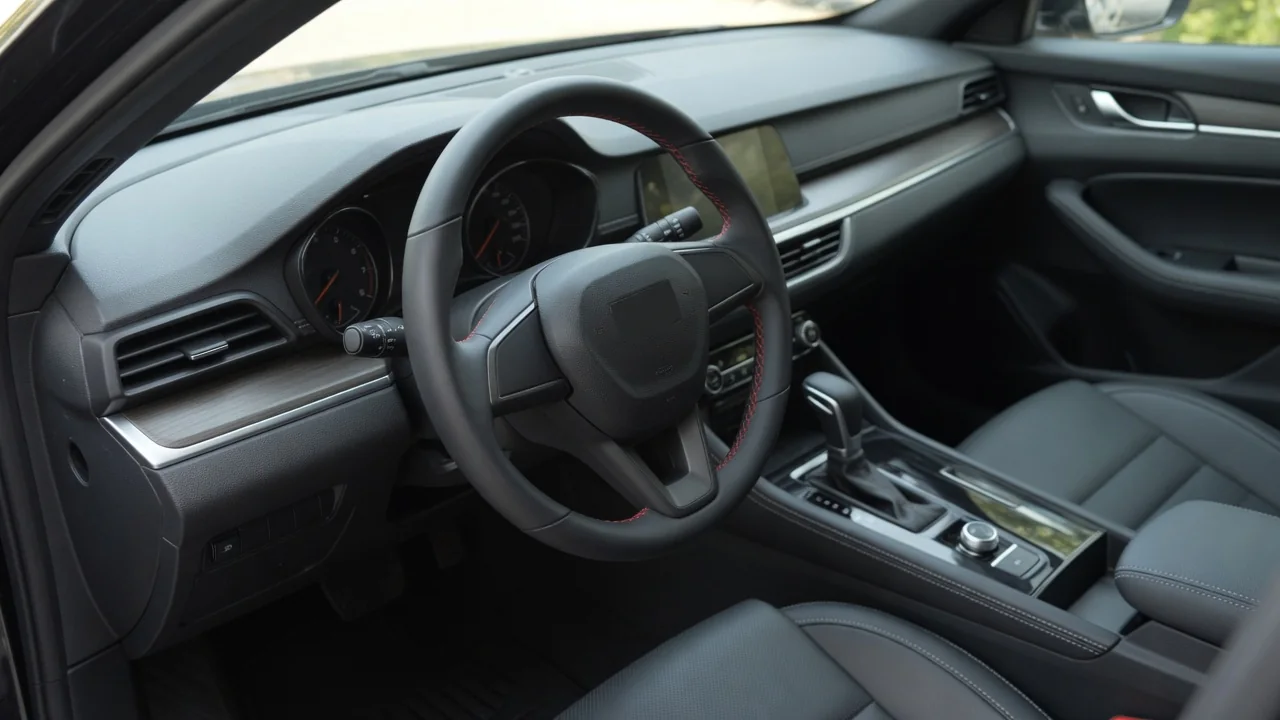
Steering wheel diameter looks like a styling detail, yet it shapes how a car feels from the first turn of the rim. The size of the wheel changes how much force your hands must apply, how far they travel for a given change in direction, how clearly road forces come through, what you can see of the instruments, and how much room you have around your knees and arms. This explainer covers those general mechanisms and car steering wheel size ergonomics without relying on any particular model.
Hand leverage: why size changes effort and speed
The steering column responds to torque, which is the force applied at the rim multiplied by the distance from the center of the wheel. A larger diameter places your hands farther from that center, so the same torque requires less hand force. A smaller diameter places them closer, so you must push or pull harder to produce the same turning effort at the column. This is the same lever principle that makes a long wrench easier to use than a short one, and it is the core reason steering wheel diameter affects feel.
Diameter also changes how far your hands move. The steering ratio, set by the rack or steering gearbox, determines how many degrees the front wheels turn per degree of steering wheel rotation, and swapping the wheel does not alter it. What changes is the arc your hands trace. On a smaller rim, one degree of rotation covers a shorter distance at your fingertips, so the car seems to respond to smaller hand movements and can feel quicker or more eager. A larger rim requires longer hand movements for the same steering angle, which tends to feel calmer and slower, even though the number of turns from lock to lock stays the same.
Leverage works in both directions. Forces generated at the tires, such as self-aligning torque, impacts from bumps, and pull from a crowned road, reach the rim as torque, and your hands feel that torque divided by the rim radius. A smaller wheel therefore presents those forces as stronger pushes against your palms, which many drivers describe as more feedback or more kickback. A larger wheel dilutes the same signals. Power assistance reduces the absolute effort in either case, but it does not erase the leverage relationship between rim size and what your hands sense.
Visibility: rim size and what the driver can see
The steering wheel sits directly between the driver's eyes and the instrument cluster, so its diameter affects how much of the cluster stays in view. A larger rim, or a rim positioned high, can hide the upper or outer portions of gauges and warning lights behind the rim or spokes. A smaller rim may allow the driver to look over the top of the wheel instead of through it, and some cabin layouts are designed around that sightline. In most vehicles, designers choose the cluster position, wheel size, and column angle together, which is why the view can change noticeably when any one of those elements is altered.
Driver size and adjustment complicate the picture. Seat height, seatback angle, and steering column tilt and reach all move the rim relative to the eyes. A setting that gives a tall driver a clear view of the speedometer may block it for a shorter driver, and the reverse is also possible. Diameter determines how much margin exists before the rim begins to obstruct something, so a larger wheel generally leaves fewer adjustment combinations in which the instruments stay visible and the arms remain in a comfortable position at the same time.
Cabin space: knees, arms, and getting in and out
A steering wheel occupies volume in one of the tightest parts of the cabin. The lower edge of the rim sits close to the driver's thighs and knees, so a larger diameter reduces clearance there, especially for taller drivers or when the seat is raised. That clearance affects comfort on long drives, the freedom to move your legs between pedals, and the effort of sliding into and out of the seat. A smaller wheel frees some of that space, which is one reason compact wheels and wheels with a flattened lower section appear in some interiors.
The upper body is affected too. A larger rim spreads your hands wider apart at a typical nine and three o'clock grip, which can bring elbows closer to the door panel or center console during large steering inputs. A smaller rim keeps the hands nearer each other and closer to the body's centerline, but it may call for a firmer grip because of the higher rim forces described earlier. The hub also matters: in modern vehicles it usually houses the driver's airbag and often carries switches for audio, cruise control, or driver assistance features, which limits how much the overall wheel can shrink without crowding those components.
Practical implications and limits
Diameter is only one factor in steering feel, and it is easy to give it too much credit. Steering ratio, the type and tuning of power assistance, suspension geometry, wheel alignment, tire construction, and tire pressure all shape effort and feedback. Two vehicles with similar wheel sizes can feel very different because of those systems, and the same vehicle can feel different after a tire change. When judging a car's steering, it is more useful to notice effort at parking speed, response near center at highway speed, and how changes in road surface come through than to focus on the rim alone.
Replacing a factory wheel with a smaller aftermarket one is not a simple comfort tweak. The original wheel is typically integrated with the airbag module, the clock spring or rotary connector, and sometimes a steering angle sensor used by stability control or lane assistance systems. Removing or altering these parts can disable safety functions, trigger warning lights, or affect compliance with local vehicle regulations and insurance terms. Electrically assisted systems are also calibrated for the original setup, so a different diameter changes rim effort in ways that calibration did not anticipate. The owner's manual and qualified service information should be the starting point for any change.
For most drivers, the practical lever is adjustment rather than replacement. Setting seat height and distance first, then adjusting column tilt and reach, lets you balance arm bend, knee clearance, and instrument view within the space the wheel occupies. If a wheel still feels heavy, light, or too quick, that impression usually reflects the overall steering system design, and the wheel size is best understood as the part that translates that design into what your hands actually feel.