What Is Steering Ratio? Meaning, Driver Feel and Design Explained
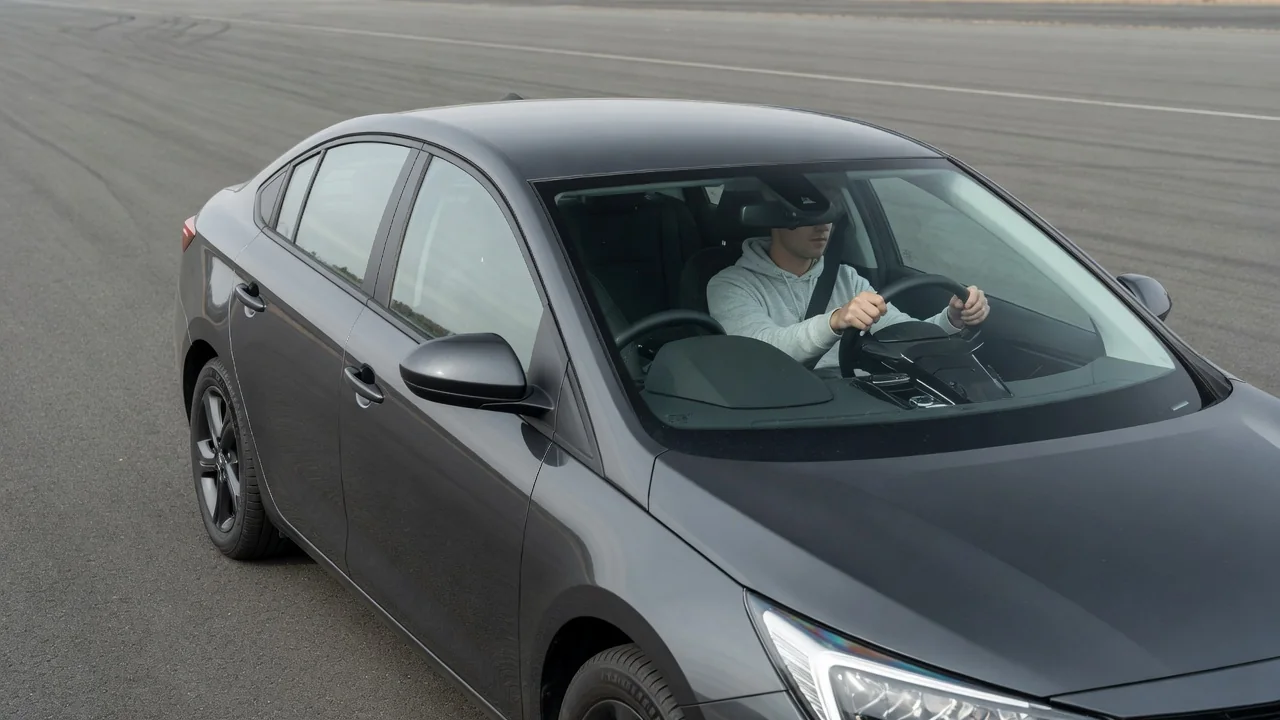
Steering ratio describes how far you have to turn the steering wheel to make the front wheels change direction by a given amount. If you have wondered what steering ratio is, or what the car steering ratio meaning is in plain terms, the short answer is that it is a gearing relationship between your hands and the tires. It shapes how quickly a car responds, how much effort a maneuver takes, and how settled the vehicle feels at speed.
Wheel Turn Relation: Steering Wheel Angle vs. Road Wheel Angle
Steering ratio compares two angles: the number of degrees the steering wheel rotates and the number of degrees the front road wheels pivot in response. A ratio written as 15:1, used here only as an illustration, would mean that turning the steering wheel 15 degrees moves the front wheels about 1 degree. A numerically higher ratio needs more steering wheel rotation for the same wheel angle, which is usually described as slower steering. A numerically lower ratio needs less rotation and is described as quicker steering.
The relationship is created by the whole steering train, not by a single part. In a rack-and-pinion system, the pinion gear at the end of the steering shaft moves the rack sideways, and the tie rods push or pull on the steering arms attached to each steering knuckle. The amount of rack travel per pinion revolution and the effective length of the steering arms together determine how far the wheels pivot. Other designs, such as a recirculating-ball steering gearbox with a pitman arm and linkage, do the same job with different hardware.
Because the linkage moves through arcs rather than straight lines, the ratio is rarely perfectly constant across the full range of travel. Steering geometry such as Ackermann also makes the inner wheel turn more sharply than the outer wheel in a corner, so a single quoted figure is usually a simplification, often an average or a value taken near center. A related figure is lock-to-lock turns, the number of full steering wheel rotations needed to go from full left to full right. That number depends on both the ratio and the maximum angle the front wheels are allowed to reach.
Driver Feel: Response, Effort and Stability
The ratio has a direct effect on how a car feels from the driver's seat. With quicker steering, small hand movements produce noticeable changes in direction, which can make a vehicle feel agile in tight corners and parking maneuvers. With slower steering, the driver makes larger inputs for the same result, which tends to feel calmer and more forgiving, particularly on the highway where small corrections are constant.
Effort is part of the trade-off. Mechanically, a slower ratio gives the driver more leverage over the tires, so without power assistance it reduces the force needed at the wheel, while a quick ratio without assistance can make low-speed steering heavy. Hydraulic and electric power steering reduce this penalty, which is one reason quicker ratios are practical on many modern vehicles. Assistance changes how much force you apply, but it does not change the geometric ratio itself.
Steering feel also depends on factors beyond the ratio, including tire construction, suspension geometry, caster angle, assistance tuning and friction within the system. Two vehicles with similar ratios can feel quite different, so the ratio explains how far the wheel must turn, not the entire sensation of steering.
Design: How a Steering Ratio Is Chosen and Built
Engineers select a ratio as a balance among responsiveness, stability, effort, packaging and the vehicle's intended use. A vehicle aimed at sporty handling may favor quicker steering, while a large vehicle, a heavy-duty truck or one designed mainly for relaxed highway travel may use slower steering to reduce nervousness and keep effort manageable. Wheelbase, front axle load, tire size and the maximum wheel angle needed for a usable turning circle all influence the final choice.
Many steering systems use an essentially constant ratio, but variable-ratio designs are also common. A variable-ratio rack has gear teeth shaped so that the ratio changes with steering angle, often staying slower near center for straight-line stability and becoming quicker as the wheel is turned further, which reduces the number of turns needed when parking. Some vehicles go further with electronically controlled systems that change the effective ratio with vehicle speed, using a planetary gear set and motor or, in steer-by-wire designs, software that defines the relationship between the steering wheel and the road wheels. Whether a particular vehicle uses any of these approaches is a vehicle-specific detail documented in its service information.
Practical Implications and Limits
For owners, the ratio matters most when parts are replaced or steering behavior seems different from normal. Installing a steering rack or gearbox with a different ratio changes how much input the car needs, and a mismatch with the original design can affect steering stops, turning radius, steering wheel centering and the calibration of stability or driver-assist systems that read steering angle. Aftermarket quick-ratio parts exist for some applications, but their suitability depends on the specific vehicle, its power steering system and its wheel angle limits.
Several common issues are easy to mistake for a ratio problem. Wear in tie rod ends, ball joints, the rack, intermediate shaft joints or a steering gearbox adds free play, which makes steering feel vague or delayed, but it does not alter the designed ratio. Incorrect wheel alignment, low tire pressure and different tire sizes or profiles can also change how responsive the car feels, even though the gearing stays the same.
The ratio alone also does not determine turning circle; that depends heavily on wheelbase and the maximum steering angle the suspension and wheel wells allow. When you need an exact figure for a particular vehicle, the manufacturer's specifications or service manual are the reliable reference, because published ratios can be measured in different ways and variable systems may not have a single value. If steering behavior changes suddenly, have the steering and suspension inspected rather than assuming the ratio itself is at fault.