Car Wheel Radius and Diameter: What the Numbers Mean and How They Differ
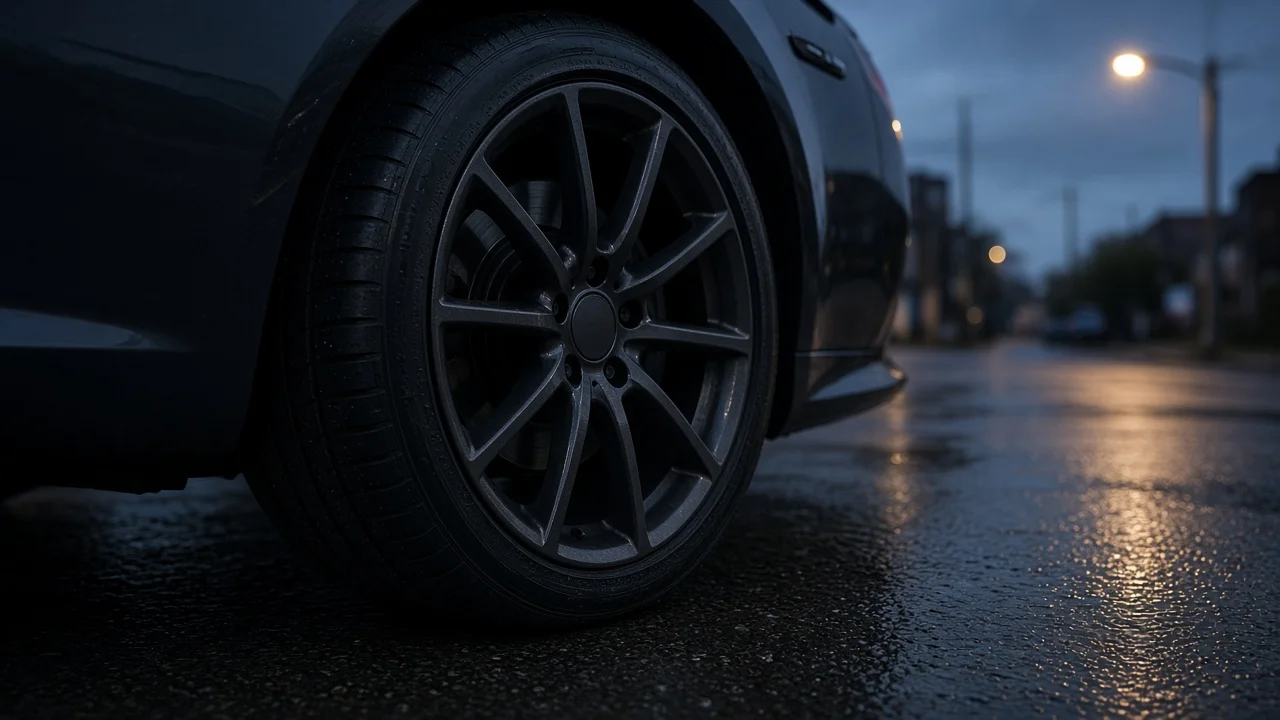
When people ask about car wheel radius, they usually mean one of two different measurements: the size of the metal rim, or the size of the complete wheel and tire assembly that actually touches the road. The two are easy to confuse because both are often described in inches. This guide explains what each measurement means, how radius relates to diameter, how to read the size markings on a tire, and which other specifications matter when you compare or replace wheels.
The short answer
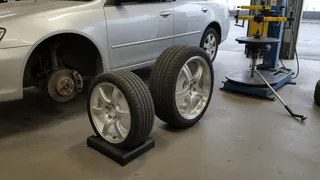
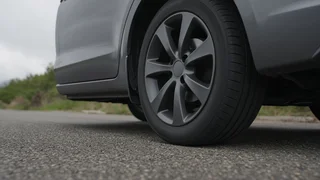
Radius is half of diameter. A wheel's diameter is the distance straight across its center; its radius is the distance from the center to the outer edge. On a passenger car, the number most people quote, such as a 17-inch wheel, is the rim diameter, measured where the tire bead seats on the rim. It does not include the tire. The overall diameter of the wheel and tire together is larger, and half of that figure is the overall radius that determines ride height at the axle, speedometer accuracy and how much space the assembly needs inside the wheel well.
One common misunderstanding is worth clearing up immediately: the letter R in a tire size such as 225/45R17 does not stand for radius. It stands for radial construction, the internal ply layout used by nearly all modern passenger car tires. The number after the R is the rim diameter in inches.
Rim diameter vs. overall wheel and tire diameter
Measurement | What it describes | Typical unit | Where you find it; Rim diameter | Diameter of the rim at the bead seat, where the tire seals | Inches | Last number in the tire size; stamped on the wheel; Rim width | Distance between the inner bead seats of the rim | Inches | Stamped on the wheel, often written with the diameter; Overall diameter | Full height of the mounted and inflated tire | Inches or millimeters | Calculated from the tire size or listed by the tire maker; Overall radius | Half the overall diameter, from axle center to tread | Inches or millimeters | Calculated; Loaded or rolling radius | Effective radius with the vehicle's weight on the tire | Inches or millimeters | Tire maker data; varies with load and pressure
Note that rim diameter is measured at the bead seat, not across the outer lip of the wheel. If you put a tape measure across the face of a 17-inch wheel, the outer edge will read somewhat more than 17 inches because the flange extends beyond the bead seat. For identification, rely on the markings rather than a tape measure across the face.
How to read a tire size and calculate radius
US passenger tires use a metric-style code on the sidewall. Taking 225/45R17 as an example, each part means the following:
225 is the section width of the tire in millimeters. 45 is the aspect ratio: the sidewall height as a percentage of the section width. R indicates radial construction. 17 is the rim diameter in inches that the tire is designed to fit. A leading P, if present, marks a P-metric passenger tire; LT marks a light truck tire.
From these numbers you can estimate the overall diameter and radius. The sidewall height is the width multiplied by the aspect ratio. Because the tire has a sidewall above and below the rim, you add two sidewall heights to the rim diameter. Since width is in millimeters and rim diameter is in inches, convert one unit first; 25.4 millimeters equal one inch.
Sidewall height = 225 mm x 0.45 = 101.25 mm; In inches = 101.25 / 25.4 = about 3.99 in; Overall diameter = 17 + (2 x 3.99) = about 24.97 in; Overall radius = 24.97 / 2 = about 12.5 in
This result is a nominal figure based on the size code. Actual dimensions differ slightly between tire brands and models, and they change with tread wear, inflation pressure and load. When the vehicle sits on the tire, the sidewall compresses, so the static loaded radius is smaller than the unloaded calculation. The effective rolling radius, which governs how far the car travels per wheel revolution, falls between the loaded and unloaded values. For exact numbers, tire manufacturers publish overall diameter and revolutions per mile for each size they sell.
Why overall radius matters
The overall radius of the wheel and tire assembly, not the rim size alone, affects several things you notice while driving and owning the car:
Speedometer and odometer readings: the vehicle's computer assumes a certain number of wheel revolutions per mile. A larger overall diameter covers more ground per turn, so the speedometer reads lower than actual speed; a smaller one makes it read higher. Effective gearing: a taller assembly behaves like a slightly taller final drive ratio, which can soften acceleration; a shorter one does the opposite. Ground clearance: the height of the axle and suspension components above the road rises or falls with overall radius. Fender and suspension clearance: a taller or wider assembly needs more room when the suspension compresses and the wheels turn. Electronic systems: anti-lock braking, stability control and some driver assistance features use wheel speed data, so large departures from the original size can affect how they operate.
Larger rims without changing overall size
Changing rim diameter does not have to change overall diameter. The common practice called plus-sizing pairs a larger rim with a lower-profile tire so the overall diameter stays close to the original. For example, moving from a 16-inch to a 17-inch rim typically requires a tire with a lower aspect ratio, and often a slightly greater width, so the shorter sidewall compensates for the larger rim. Keeping overall diameter close to the original helps preserve speedometer accuracy and clearance. The trade-off is a shorter sidewall, which generally gives sharper steering response but less cushioning over bumps and less protection for the rim against potholes and curbs.
Other wheel specifications that affect fitment
Diameter is only one of several dimensions that decide whether a wheel will fit a particular vehicle. Two wheels with the same diameter can fit very differently.
Rim width
Rim width is measured between the bead seats, not across the outer flanges. Each tire size is approved for a range of rim widths. Mounting a tire on a rim that is too narrow or too wide for that range changes the tire's shape, which can affect handling, wear and bead security. Tire compatibility with a given rim width is listed in tire manufacturer data.
Offset and backspacing
Offset is the distance, usually in millimeters, between the wheel's mounting face and the centerline of the rim. Positive offset places the mounting face toward the outer side of the wheel, tucking the wheel further into the body; most front-wheel-drive cars and many modern vehicles use positive offset. Negative offset pushes the wheel outward. Offset is sometimes marked with the letters ET followed by a number. Backspacing is a related measurement taken from the mounting face to the inner edge of the rim. A change in offset can bring the wheel closer to suspension parts and brake components on the inside or to the fender on the outside, and it can alter steering feel and load on wheel bearings.
Bolt pattern and center bore
The bolt pattern describes the number of lug holes and the diameter of the circle they sit on, written in a form such as 5x114.3, meaning five lugs on a 114.3-millimeter circle. The pattern must match the vehicle's hub exactly; patterns that look similar are not interchangeable. The center bore is the hole in the middle of the wheel that fits over the hub. Wheels designed to center on the hub need a matching bore, while aftermarket wheels with a larger bore are often used with hub-centric rings to fill the gap.
Brake and body clearance
The inside of the wheel must clear the brake caliper, and the spoke design must clear the caliper's outer face. Vehicles with larger brake packages, often found on performance trims, may not accept smaller-diameter wheels that fit lower trims of the same model. On the outside, the full assembly must clear fenders, liners and suspension components through the full range of steering lock and suspension travel.
Where to find your vehicle's wheel and tire sizes
The tire and loading information placard, usually on the driver's door jamb, lists the original tire size and recommended pressures. The owner's manual lists approved tire sizes, which can differ by trim, model year and wheel package. The tire sidewall shows the size currently fitted, which may not be the original if tires have been replaced. The wheel itself is often stamped, typically on the back of a spoke or inside the barrel, with diameter, width, offset and sometimes bolt pattern.
Because wheel and tire specifications often change between generations, trims, drivetrains and optional packages of the same model, confirm the figures for your specific vehicle rather than relying on a general figure for the model name.
Summary
The wheel size people usually quote is rim diameter in inches, measured at the bead seat. The overall diameter of the wheel and tire is larger, and its radius is what governs speedometer accuracy, clearance and effective gearing. You can estimate overall diameter from the tire code by adding two sidewall heights to the rim diameter, keeping in mind that real-world loaded radius is smaller. When changing wheels, matching diameter alone is not enough: rim width, offset, bolt pattern, center bore and brake clearance all need to suit the vehicle.