Why Does a Stored Car Need Periodic Visual Checks?
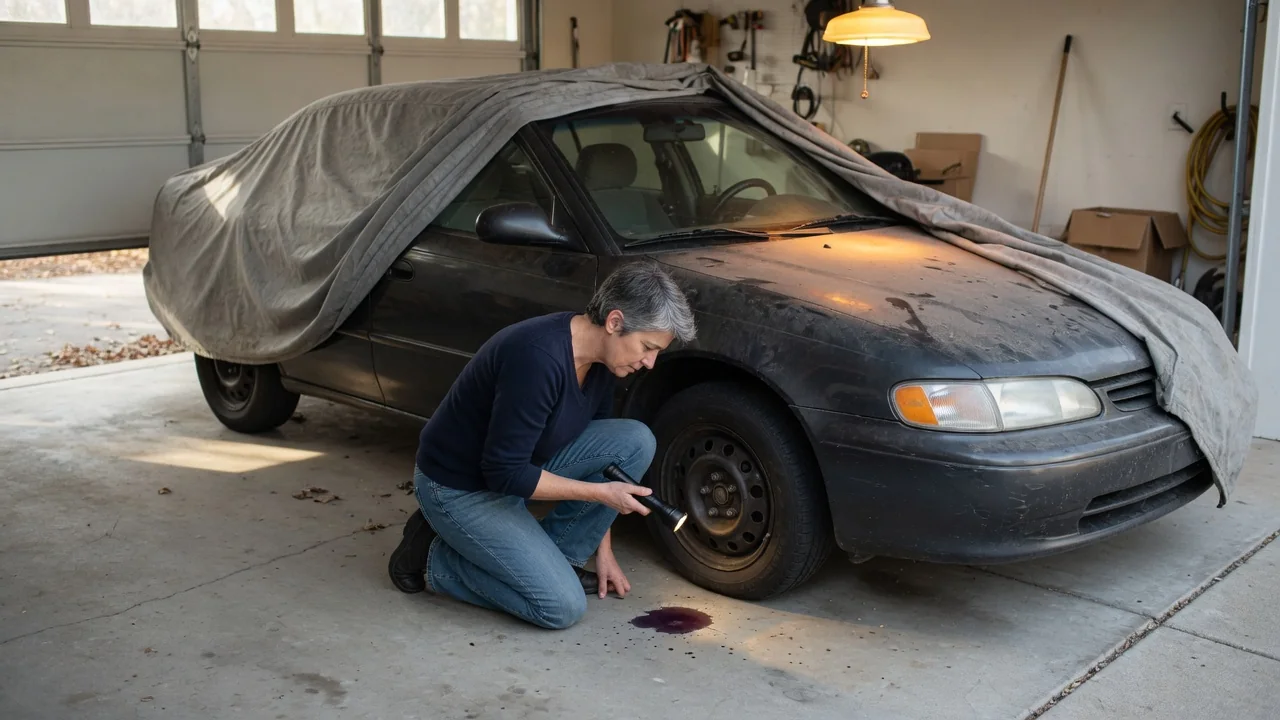
A car in storage may not be going anywhere, but it is still changing. Seals can seep, tires slowly lose air, and rodents or insects can move into a quiet engine bay. Periodic visual checks catch these changes while they are still small and easy to trace. This article explains why a stored car inspection routine matters. It focuses on three areas where problems tend to develop unnoticed: fluid leaks, tires, and pests. It then covers what regular checks can and cannot tell you.
Leaks: Why a Parked Car Makes Them Easier to Spot
Engines, transmissions, brakes, and cooling systems rely on gaskets, seals, and hoses to keep fluids contained. These parts are made largely of rubber and similar materials, which can harden or shrink with age and temperature swings. While a car is being driven, airflow and road spray can spread a minor seep around so that it is never noticed. When the car sits in one spot, every drip lands in the same place. That means storage actually makes slow leaks easier to see, as long as someone looks.
A quick look under the car and around the engine bay is usually enough to notice a new spot. Color and texture offer clues, though they vary by product and age. Engine oil usually ranges from amber to dark brown or black. Coolant is often green, orange, or pink and may smell sweet. Brake fluid is usually clear to light amber and feels slippery. A gasoline smell or wet fuel residue needs immediate attention. Placing a piece of clean cardboard under the engine and transmission makes new drips stand out and shows roughly where they come from.
Catching a leak early matters for several reasons. If a fluid level drops during storage, the system may be low when the car goes back into service. Brake fluid loss affects stopping ability, and a fuel leak creates a fire risk in an enclosed garage. Spilled coolant is toxic and can attract animals because of its sweet taste. Fresh residue is also easier to trace to its source than an old, dust-covered stain, which makes diagnosis simpler for you or a technician.
Tires: Slow Pressure Loss, Flat Spots, and Aging Rubber
Tires lose air gradually even when nothing is wrong, through the rubber itself and at the bead and valve stem. Cooler air also lowers pressure, so a car stored through a change of season can lose a noticeable amount without any puncture. Because the car is not being driven, there is no change in handling to alert the owner. Where a tire pressure monitoring system is fitted, it generally reports only when the vehicle is powered on. An underinflated tire supports the vehicle's weight on a more deformed section of tread and sidewall, and that added stress continues for as long as it sits.
A stationary tire also rests on the same contact patch day after day, which can create a flat spot. In many cases this is temporary and fades once the tire warms up during driving. Longer storage and low pressure make lasting deformation more likely. A visual check can reveal a tire that looks low, a bulge, or a sidewall that sags more than the others. Confirm with a pressure gauge, and compare the reading to the pressure listed on the vehicle's door placard or in the owner's manual. Do not use the maximum figure molded into the sidewall.
Rubber ages whether or not a tire is used. Sunlight, heat, and ozone can cause fine cracks in the sidewall and between tread blocks, sometimes called weather checking. Periodic inspection shows whether this cracking is appearing or getting worse. It is also worth making sure no tire is sitting in a puddle of oil or other fluid, since some petroleum products can degrade rubber over time.
Pests: Rodents, Nests, and Hidden Damage
A parked car offers what small animals look for: shelter, darkness, and a space that is rarely disturbed. Mice, rats, squirrels, and similar animals may nest in the engine bay, the air filter housing, the cabin air intake, under hood insulation, or inside the exhaust. Insects such as wasps and ants can also settle in vents, door cavities, or the cabin. The longer a vehicle sits untouched, the more established these occupants can become.
The signs are usually visible if you look in the right places. Watch for droppings, shredded insulation, and piles of leaves, paper, or fabric. Also look for stored nuts or seeds, chewed hoses, and gnaw marks on wiring or plastic covers. An odor in the cabin can point to a nest or a dead animal. Damaged wiring may not be obvious until it causes a warning light, an electrical fault, or a no-start condition, so it is worth checking the connectors and harnesses you can see.
Timing is the main reason pests make periodic checks valuable. A nest found early is often just a cleanup job. A nest found after an entire season may come with chewed wiring, contaminated filters, and a cabin that needs thorough cleaning. Before starting a stored car, look into the air intake path and the tailpipe for nesting material. Also remove any covers or plugs you installed yourself to keep pests out.
Practical Implications and Limits
There is no single correct inspection interval for every situation. Climate, storage location, how well the space is sealed, and how long the car will sit all affect how quickly problems develop. A practical stored car inspection routine is one you will actually follow, done in the same order each time: under the car, each tire, the engine bay, the cabin, and the exhaust. Checking more often early in storage helps you learn what normal looks like. Dated photos make slow changes easier to compare from one visit to the next.
Visual checks also have clear limits. They do not reveal the battery's state of charge, fuel condition, the internal state of seals, or corrosion in places you cannot see. A clean floor does not guarantee that a system is sealed, and some wiring damage is hidden inside harnesses. Fluid types, tire specifications, and storage recommendations differ between vehicles, so the owner's manual remains the reference for your specific car. Routine checks support proper storage preparation; they do not replace it.
Some findings should change your plans before the car is driven again. A brake fluid or fuel leak, chewed wiring, a damaged or bulging tire, or significant nesting material in the intake are all reasons to have the vehicle inspected rather than simply starting it and driving off. Smaller findings, such as a minor oil spot or a slightly low tire, can often be handled during the normal return to service, as long as they are noted and followed up.