Why Did Cars Move From Chrome to Painted Bumpers?
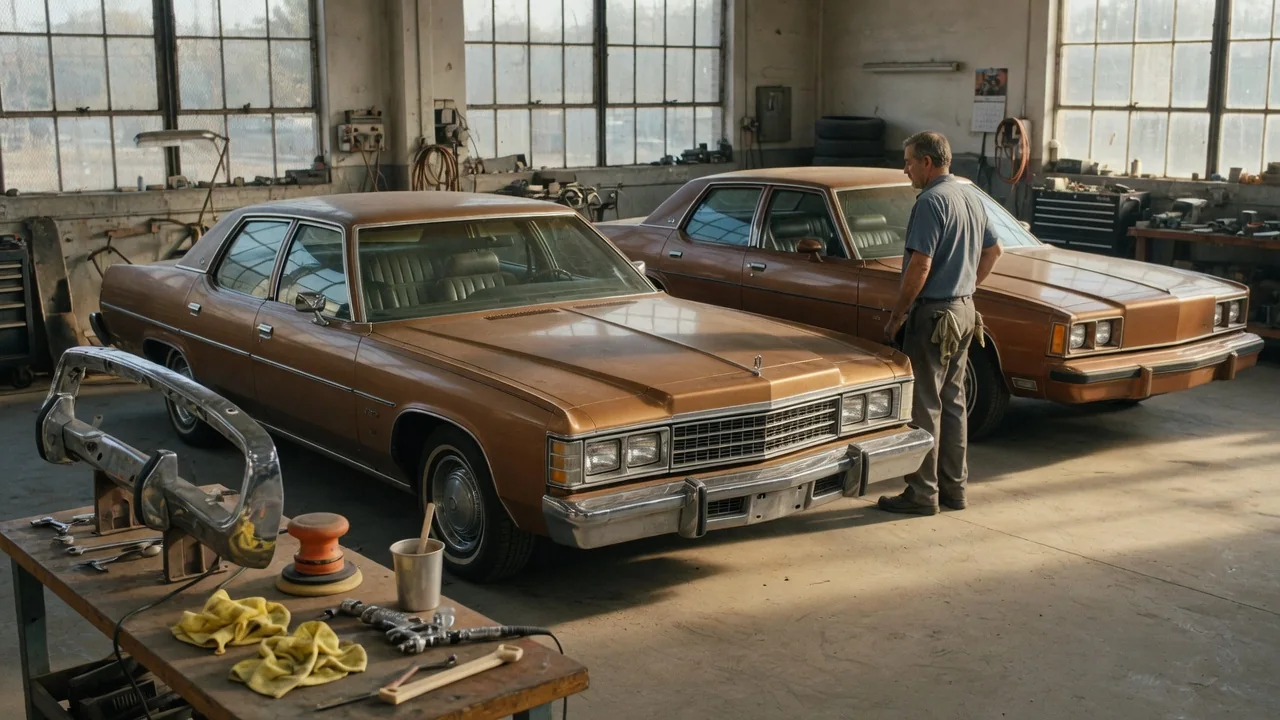
Older cars wore gleaming chrome bumpers that served as both styling jewelry and crash protection. Most vehicles today carry smooth, body-colored covers that blend into the fenders and grille. No single decision caused the change. It came from shifts in materials, manufacturing economics, safety and efficiency goals, and the way bumpers are repaired. Each of these areas helps explain why cars moved from chrome to painted bumpers, and what this car bumper styling evolution means for owners today.
Materials: From Plated Steel to Engineered Plastics
A traditional chrome bumper was a single structural piece. It was usually stamped steel with a decorative finish electroplated onto it. The bright surface came from layered plating, typically copper and nickel beneath a thin chromium top coat. The steel provided strength, while the plating supplied shine and some corrosion resistance. The weakness of this design was that appearance and structure lived in the same part. Stones, road salt or minor impacts could break through the plating. Once that happened, moisture reached the steel, and rust could spread beneath the finish. The result was pitting and peeling that was difficult to stop.
Modern bumpers split those jobs among separate parts. The visible outer piece is a plastic cover. Depending on the manufacturer and era, it is commonly made from polypropylene-based compounds or from polyurethane. Behind it sits a reinforcement beam, often steel or aluminum, and frequently an energy absorber made of foam or molded plastic. The cover handles styling and aerodynamics, and the hidden components handle impact loads. Because the cover is not the main structural member, designers can shape it freely and keep it relatively light.
Plastic also behaves differently in minor contact. A flexible cover can deform and spring back from a light parking bump that would dent or crease plated steel. Plastic does not rust, which removes the main long-term failure of chrome bumpers in wet or salted climates. The trade-off is that plastic needs special surface preparation to hold paint. It can also crack, tear at its mounting tabs, or fade if the finish is neglected.
Manufacturing: Why Molding and Body-Color Paint Won
Making a quality chrome bumper took a lot of labor. The steel had to be formed, ground and polished, then passed through a series of plating baths, and any surface flaw tended to show through the mirror finish. Chrome plating also uses hazardous chemicals. As environmental and workplace regulations tightened over the decades, plating lines became more costly and complex to run. For high-volume production, bright-plated steel bumpers became an increasingly expensive choice.
Injection-molded covers suit mass production well. Once the tooling exists, a single mold can produce one complex part with built-in openings for grilles, fog lamps, license plates, air intakes and sensor mounts. The cover can then be painted in the body color, using the same kind of finishing process as other exterior panels. This gives a uniform look that designers increasingly preferred. Smooth, wrap-around shapes also helped manage airflow around the front of the vehicle, which mattered as manufacturers worked to improve fuel economy.
Regulation and weight pushed in the same direction. In the United States, low-speed bumper impact requirements introduced in the 1970s led many manufacturers to fit larger, heavier bumper systems. Engineers later found that a lighter plastic cover over a dedicated absorber and beam could meet impact goals with less mass. In some markets, pedestrian protection goals further favored softer, smoother front surfaces. Exact requirements differ by country and model year, so the engineering on any one vehicle reflects the rules and targets it was designed for.
Repair: How Damage Is Fixed on Each Type
Repairing a chrome bumper usually means dealing with the metal and the plating separately. Dents and bends can be straightened, but the plating rarely survives that work intact. A damaged bumper often has to be stripped and replated by a specialist shop, or replaced. If rust has lifted the plating, painting over it means losing the original finish. Replating is a common step in classic car restoration, but it is specialized work rather than routine body shop repair.
Painted plastic covers follow a different path. Light scuffs and scratches can often be sanded and refinished. Depending on the material, cracks, punctures and broken mounting tabs may be repaired with plastic welding or structural adhesives. The material is usually identified by a code molded into the back of the part. Refinishing typically goes in this order: cleaning, an adhesion promoter on bare plastic, primer, then base coat and clear coat. Flex additives are sometimes mixed in so the paint can tolerate movement. Matching the color may require blending into the neighboring panels. When damage is extensive, replacing the cover is often more practical than repairing it.
With modern bumpers, the visible cover can hide damage underneath. An impact that leaves only a small mark may still crush the energy absorber, bend brackets or shift the reinforcement beam. Some vehicles have parking sensors, radar units or cameras in or behind the bumper. On these, repairs may require inspecting or recalibrating the sensors, and keeping paint thickness within limits over sensor areas. The correct procedure depends on the specific vehicle, so the manufacturer's repair information is the reliable reference.
Practical Implications and Limits for Owners
For everyday drivers, painted bumpers bring both advantages and costs. Covers resist rust, absorb small bumps and match the body. However, cosmetic damage is more noticeable on a color-matched surface. Repair bills can also climb when hidden components or driver-assistance hardware are involved. A quick look after a collision cannot rule out internal damage. Having a qualified shop inspect the bumper is worthwhile even when the cover shows only light marks.
The shift is also not absolute. Some pickups, work vehicles and off-road models still use metal bumpers. Many modern cars keep bright trim through chrome-plated plastic or chrome-look accents on otherwise painted fascias. Classic cars still rely on traditional plated steel, and their owners face different maintenance concerns, mainly keeping moisture and salt away from the plating. These general explanations describe common practice, not every design. Confirm the construction details for a particular vehicle in its service documentation.