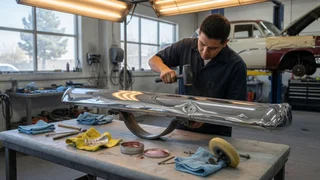
How to Clean Chrome Trim on a Car
Chrome trim lifts a vehicle’s appearance, but road grime, water spots, and oxidation dull its mirror finish. Learning how to clean chrome trim on a car is about treating a plated surface without scratching the thin protective layer. The right method removes dull haze and early corrosion, restoring a bright, even reflection. Knowing when the coating remains sound and when deeper pitting exists keeps ordinary cleaning safe and prevents further damage to the underlying steel or plastic.
Direct answer
Wash the chrome trim with pH-neutral car shampoo and a soft microfiber cloth to lift dirt before any polishing step. Dried grime and grit act like sandpaper, so the initial rinse and soap reduce the chance of introducing fine scratches while you clean the brightwork. Work on a cool, shaded surface because warm metal dries cleaner quickly and can leave streaking behind. This basic wash is the safest first stage for both intact chrome plating and aged trim with early clouding.
Use a dedicated chrome cleaner or a mild acid-based brightener only when the plating remains intact. These products dissolve light oxidation and stubborn mineral deposits that soap cannot remove. Follow the dwell time on the container, then wipe gently with a clean cloth and rinse thoroughly. For tarnished areas where road chemicals have dulled the shine, this approach removes surface contamination without cutting directly into the plating. If pitting or peeling is visible, avoid aggressive rubbing.
How to proceed
Begin with the vehicle parked out of direct sunlight and the trim cool enough to touch comfortably. Rinse the area with water to float away loose abrasives, then wash using a soft sponge or microfiber mitt and clean soapy water. Rinse again and dry with a fresh microfiber towel so minerals in standing water do not create new spots. Inspect the metal closely for smooth reflective plating versus cracks, rust bubbles, or exposed base material before choosing a stronger product.
Apply a small amount of chrome-safe cleaner to an applicator pad and rub a short section with light, overlapping strokes. Buff the residue with a dry microfiber cloth and check whether the haze lifts evenly. Stop if the surface turns cloudy white, leaves dark streaking, or exposes a dull underlayer, since that can mean the protective chrome has already been worn through. Finish sound trim with a thin coat of automotive wax or protectant to resist moisture and road salt, then allow it to dry completely.