Which cars have a CVT transmission
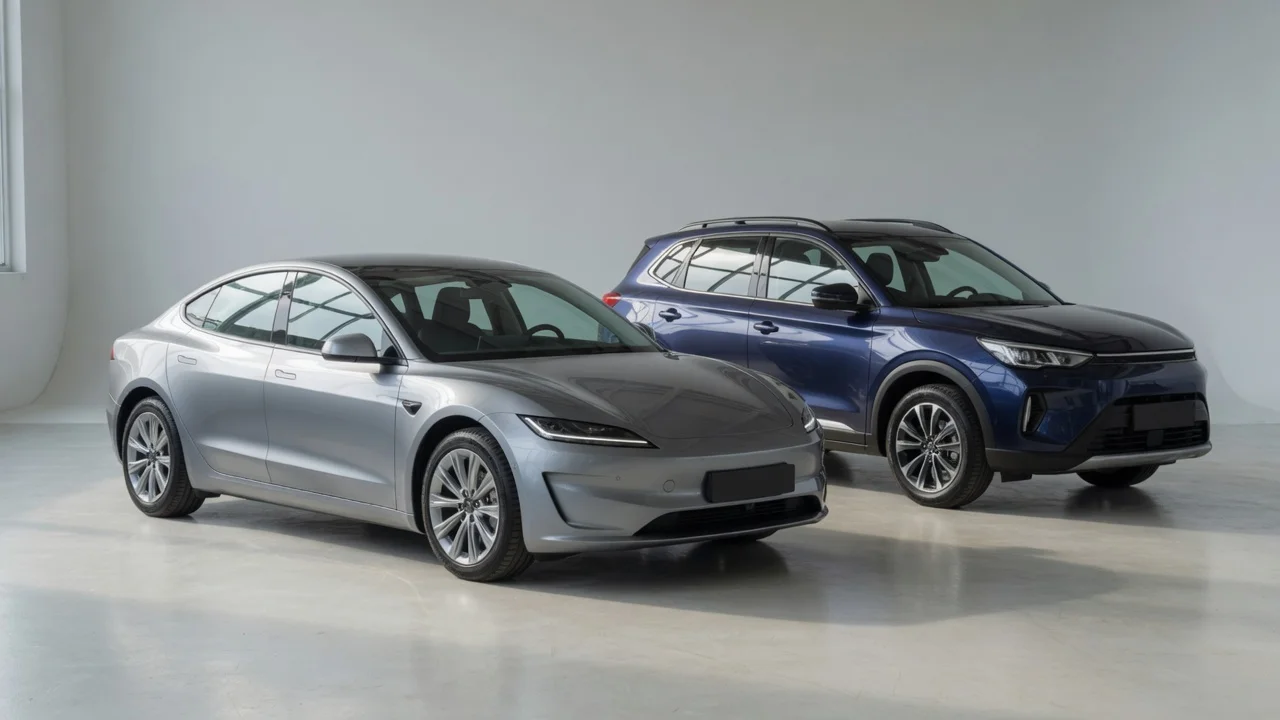
Direct answer: which cars have a CVT
A continuously variable transmission, or CVT, is most common in front-wheel-drive passenger cars, hybrid vehicles, compact crossovers, and some all-wheel-drive models that use a transverse engine layout. It is especially associated with Japanese brands, but it also appears in selected Korean, American, and Chinese vehicles. The exact availability depends on the model year, engine, trim, and market, so a CVT is not a brand-wide feature for every manufacturer that uses one.
How to understand a CVT
A CVT replaces fixed gear ratios with a belt or chain running between variable-diameter pulleys. This lets the engine stay closer to an efficient rpm range during acceleration instead of stepping through conventional gears. Some automakers also simulate fixed shift points in software, which can make the driving feel more like a traditional automatic even though the hardware remains a CVT.
Car brands that commonly use a CVT
Toyota: widely used in hybrids such as the Prius, Corolla Hybrid, Camry Hybrid, RAV4 Hybrid, and Highlander Hybrid, as well as in conventional models like the Corolla and Corolla Cross depending on generation and market. Honda: used across many Civic, Accord, HR-V, and CR-V variants, with availability varying by engine and trim. Nissan: one of the largest users of CVTs, including Altima, Sentra, Versa, Rogue, and Kicks models in many recent generations. Subaru: CVTs are paired with all-wheel drive in models such as the Outback, Forester, Impreza, Crosstrek, Legacy, and Ascent. Mitsubishi: fitted to models including the Mirage, Outlander, and Eclipse Cross in various markets and model years. Kia and Hyundai: used mainly in smaller or efficiency-focused models, such as the Kia Forte, Kia Soul, Hyundai Elantra, and Hyundai Kona, depending on powertrain. Chevrolet and Buick: used in some smaller models and hybrid applications, with examples including the Chevrolet Malibu and selected Buick Encore GX variants.
Where a CVT is most likely to appear
The transmission is most common in vehicles where smooth operation and fuel economy are priorities. Hybrid cars and hybrid crossovers almost always use a form of CVT because the transmission can blend gasoline and electric power continuously. Small sedans, hatchbacks, and compact crossovers also use CVTs heavily because their packaging suits front-wheel-drive transaxles and lower-torque engines.
Vehicles commonly offered with a CVT
Vehicle | Typical CVT application; Toyota Prius | Standard hybrid transaxle across recent generations; Toyota Corolla | Common on many non-performance trims; availability depends on year and engine; Honda Civic | Common on mainstream trims; some sport trims may use other transmissions; Nissan Altima | Common on recent generations with front-wheel drive or all-wheel drive; Nissan Rogue | CVT paired with standard all-wheel-drive-compatible powertrains in recent years; Subaru Outback | CVT with all-wheel drive in current-generation models; Subaru Forester | CVT with all-wheel drive in recent generations; Mitsubishi Mirage | CVT available on automatic-transmission versions; Kia Forte | CVT on selected powertrains and model years; Hyundai Elantra | CVT on mainstream non-performance trims in some markets
Vehicles that typically do not use a CVT
Body-on-frame trucks, large body-on-frame SUVs, performance cars, and many rear-wheel-drive sedans generally do not use a CVT. CVT designs are less common with high-torque engines and longitudinal drivetrains, where conventional torque-converter automatics, dual-clutch transmissions, or manual gearboxes remain standard. This means large pickups, full-size SUVs, and most dedicated sports cars are unlikely to have a CVT unless a specific hybrid or efficiency-oriented variant says otherwise.
Why brands choose a CVT
Automakers use CVTs primarily to improve fuel economy and reduce emissions in everyday driving. Because a CVT can continuously adjust its ratio, it reduces the abrupt rpm changes of fixed-gear automatics. The trade-off can be a different acceleration feel, sometimes described as rubber-band-like, and more engine noise under hard acceleration. Modern programming often masks this with simulated gears, but the underlying mechanical behavior remains different from a stepped automatic.
Qualifiers that change the answer
Trim level, engine choice, model year, and regional market can all change whether a specific car has a CVT. For example, a base four-cylinder model may use a CVT while a turbocharged or performance trim uses a dual-clutch or torque-converter automatic. A vehicle sold in one country may receive a CVT while the same nameplate in another market uses a conventional automatic. Hybrid versions are the most consistent exception: when a model offers a hybrid powertrain, that hybrid version will typically use a CVT or CVT-like transaxle.
What to check when verifying a specific car
Confirm the exact model year, engine, and trim rather than relying on the model name alone. Check the window sticker or factory specification sheet for wording such as continuously variable transmission, CVT, eCVT, or Lineartronic in Subaru models. For hybrids, look for an electronically controlled transaxle or eCVT, which is mechanically different from a conventional belt-type CVT but serves a similar function. Ask whether the vehicle is front-wheel drive, all-wheel drive, or rear-wheel drive, since a CVT is less common with longitudinal rear-drive layouts. Note the regional market, because transmission availability can differ between North America, Europe, Asia, and other regions.
Practical ownership considerations
If a used car has a CVT, fluid service history matters. Some manufacturers specify CVT fluid changes at intervals that differ from conventional automatic transmission service schedules, and neglected fluid changes can increase the risk of wear. Driving feel also varies by brand: a Nissan CVT may be tuned differently from a Subaru or Toyota unit even though both are continuously variable transmissions. Warranty coverage, service records, and a pre-purchase inspection are useful when buying a used CVT-equipped vehicle.
Bottom line
There is no single list of every car with a CVT, because equipment varies by year, engine, trim, and region. The clearest pattern is that many front-wheel-drive sedans, compact crossovers, Japanese-brand vehicles, and especially hybrids use a CVT. Large trucks, body-on-frame SUVs, high-performance cars, and most rear-wheel-drive vehicles generally do not. Checking the exact powertrain code and factory specification is the most reliable way to confirm whether a particular car has one.