When Is an Interior Noise Worth Repairing?
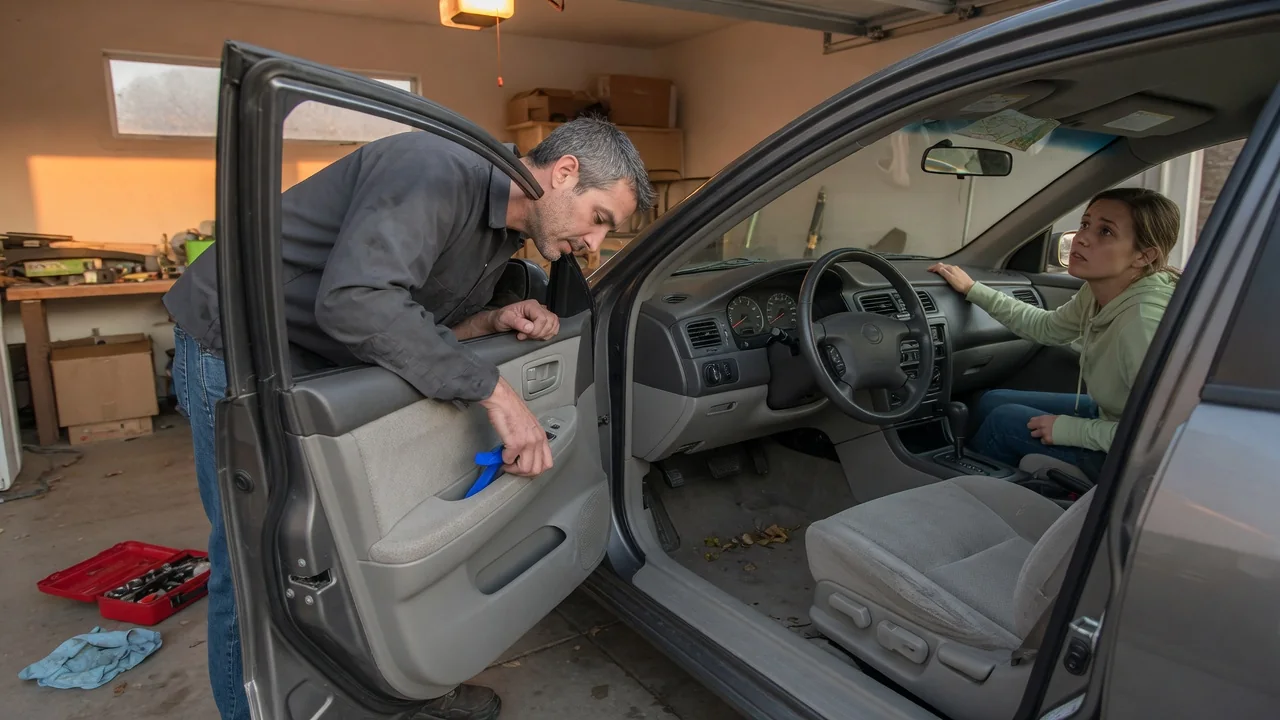
Cabin rattles, squeaks and buzzes range from harmless trim chatter to early hints of a loose component. Deciding when an interior noise is worth repairing comes down to three questions: has the sound changed, does it affect how the vehicle is controlled, and is it distracting enough to pull attention from the road? The answers guide whether to monitor, investigate or book a repair.
New versus longstanding
A noise that has been present for years without changing is usually a different matter from one that appeared last week. Longstanding sounds, such as a dashboard creak on cold mornings or a faint buzz from a door panel over coarse pavement, often trace to plastic trim panels rubbing as they expand and contract. Because they have remained stable in pitch, volume and timing, they tend to signal an annoyance rather than a developing fault, though stability over time is reassuring evidence, not a guarantee.
A new sound deserves closer attention because something has changed. A rattle that begins after a pothole strike, a recent repair, or a windshield replacement points toward a disturbed clip, a dropped fastener or a loosened bracket. Note when it started and whether it is growing louder, more frequent or spreading to new road speeds. Vehicles differ in how much road and drivetrain sound reaches the cabin, so compare the noise with how that particular car behaved before, not with another model.
Effect on controls
The strongest reason to repair an interior noise is any link to the controls. A clunk felt through the steering wheel while turning, a click that follows brake pedal travel, or a creak from the pedal area is heard inside the cabin yet may originate in the steering column, pedal assembly or suspension mounts. When a sound arrives together with a change in feel, such as looseness, vibration, stiffness or extra free play, it should be treated as a possible mechanical concern rather than a trim complaint.
Seats and restraints belong in the same category. A seat that shifts with a knock under braking, a seat belt retractor that grinds or hesitates, or a rattle inside the steering wheel hub involves components that matter in a collision, and those areas are best left to a qualified technician because of airbag and pretensioner systems. By contrast, a ticking heater vent flap or a buzzing speaker grille changes nothing about how the car steers, stops or protects its occupants. Layouts vary, so where a sound appears to come from is only a starting clue.
Repair choice
Choosing a repair means weighing the benefit against the disruption involved. Many cabin noises have simple causes: a loose item in a door pocket, a sunglasses holder that chatters, a cargo cover vibrating against its supports, or a spare tire tool kit that has shifted. These cost little to resolve and are worth addressing as soon as they are identified. Others sit deep behind the instrument panel or headliner, where reaching the source requires removing trim that may itself creak afterward if clips are disturbed or broken.
For buried, stable, purely cosmetic noises, living with the sound can be a reasonable decision, particularly on an older vehicle. The balance shifts when the noise is worsening, when it suggests water intrusion or a failing blower motor, window regulator or wheel bearing, or when it wears on the driver every trip. Labor time depends heavily on the vehicle's design, so a shop's estimate after a road test is more useful than general assumptions. If the vehicle is under warranty, reporting the concern early creates a record.
Everyday Use and Observations
Everyday driving provides most of the evidence needed. Pay attention to whether the noise follows road speed, engine speed, bumps, cornering, braking or temperature. A buzz that appears only at a certain engine speed suggests a resonance, while a knock over bumps points toward something loose or a suspension component transmitting sound into the body. Noises that vanish when a passenger presses on a panel, or when the rear seatback is latched firmly, reveal their source quickly. Climate fan setting and window position can also change what is heard.
Distraction is a legitimate measure of severity. A constant tick near the driver's ear, or an intermittent rattle that prompts repeated glances and reaching toward the dash, takes attention away from traffic, and searching for a noise while driving is a risk in itself. Having a passenger listen and locate the sound is safer and usually more accurate. It also helps to notice whether the noise masks useful sounds, such as turn signal clicks, warning chimes or the audible wear indicators some brake pads use.
Limits and Next Steps
Listening has limits. Sound travels through the body structure, so a rattle heard at the dashboard may begin at the cowl, the exhaust heat shields or the engine bay, and a hum that seems to come from the rear seat may be tire or bearing related. Emptying the glovebox, console, door pockets and cargo area is a sensible first check, as is confirming that seatbacks, the jack and the spare are secured. Beyond that, guessing and prying at trim tends to add broken clips, not answers.
The practical next step is a clear description for a technician: when the noise started, the conditions that trigger it, where it seems loudest and whether anything in the car's feel has changed. A short recording can help, and a road test with the technician riding along is often the fastest route to a diagnosis. Any noise paired with a warning light, a change in steering or braking, a burning smell or moisture in the cabin should be inspected promptly instead of monitored. A stable, harmless rattle can wait for a convenient visit.