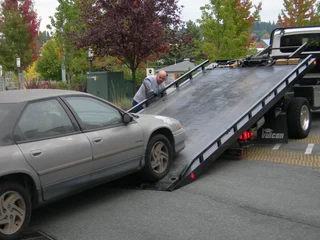
Wheel Lift Tow Truck: What It Does Well and What to Check Before Buying
A wheel lift tow truck is a good choice if most of your work is moving light-duty cars, SUVs and pickups quickly over short to moderate distances, especially in tight urban spaces, parking enforcement or repossession. It is a weaker choice if you regularly haul all-wheel-drive vehicles long distances, move exotic or low-clearance cars, recover badly damaged vehicles or handle anything heavier than the unit is rated for. In those cases a flatbed (rollback), or a wheel lift unit paired with dollies, is usually the safer fit. The right answer depends on what you tow most often, how far you tow it and whether the truck's chassis ratings actually support the loads you plan to lift.
How a Wheel Lift Works
A wheel lift uses a hydraulic arm that extends from the rear of the tow truck. At the end of the arm is a crossbar with cradles or L-shaped arms that fit around the tires of the towed vehicle. The system lifts one axle by its tires, leaving the other axle rolling on the road. Because contact is made at the tires rather than the bumper, frame or suspension, wheel lifts largely replaced older sling-style tow trucks, which were more likely to damage modern bumpers and body panels.
The vehicle is secured with tire straps or retention devices, and safety chains are attached as a secondary connection. When the wheels left on the ground should not turn, such as the drive wheels of many all-wheel-drive vehicles or a locked rear axle, towing dollies are placed under those wheels so the vehicle is carried entirely off the ground.
Common Configurations
"Wheel lift tow truck" covers several distinct configurations, and the differences matter more than the name suggests.
Conventional wrecker with boom and wheel lift: a boom for winching and recovery plus an underlift for towing. Versatile for roadside work and pulling vehicles out of ditches. Self-loading or integrated wheel lift: the driver can position and secure the wheel lift from the cab, often without getting out. Popular for repossession and parking enforcement where speed and discretion matter. Pickup-mounted or concealed units: wheel lift systems built onto light or medium-duty pickup chassis. Lower cost and easier to drive and park, but capacity is limited by the pickup's ratings. Flatbed with wheel lift: a rollback carrier with a wheel lift at the rear, allowing one vehicle on the deck and a second on the wheel lift. Heavy-duty integrated underlifts: designed for buses, trucks and large commercial vehicles; a different market and a different class of chassis.
Use Case Suitability
Use case | Wheel lift suitability | Notes; Private property and parking enforcement | Strong | Fast hookups and short maneuvering space are key advantages; Repossession | Strong | Self-loading units reduce hookup time; Local light-duty roadside towing | Good | Works well for front- or rear-drive vehicles in normal condition; All-wheel-drive and 4x4 vehicles | Conditional | Usually requires dollies or a flatbed to avoid drivetrain damage; Long-distance transport | Limited | A flatbed reduces wear on the towed vehicle and avoids rolling-wheel issues; Low-clearance, exotic or high-value cars | Limited | Flatbed is generally preferred; Wrecked vehicles with damaged wheels or suspension | Limited | Damaged tires or axles may not cradle safely; flatbed or recovery equipment is better; Medium and heavy commercial vehicles | Requires heavy-duty unit | Light-duty wheel lifts are not built for these loads
Wheel Lift vs. Flatbed: The Core Trade-Off
A wheel lift is typically quicker to hook up, maneuvers in tighter spaces and lets the truck itself be shorter and lighter. That makes it efficient for high-volume, short-distance work. A flatbed carries the whole vehicle, which avoids drivetrain concerns and is gentler on the towed car, but it needs more room to load, has a longer, heavier chassis and generally takes more time per hookup. Many operators run both, or choose a flatbed with a wheel lift to cover more job types with a single truck.
Ratings That Decide Whether a Truck Can Do the Job
The wheel lift's advertised capacity is only one number. Whether a specific truck can safely lift and tow a given vehicle depends on how several ratings interact. Always confirm these for the exact model year, chassis, cab, wheelbase and powertrain you are considering, since they vary between otherwise similar trucks.
Gross vehicle weight rating (GVWR): the maximum the tow truck itself may weigh, including the body, fuel, driver, tools and the portion of the towed vehicle's weight carried by the wheel lift. Combined weight rating (GCWR): the maximum allowed weight of the tow truck plus the towed vehicle together. Even if the wheel lift can lift a load, the combination must stay under this figure. Axle ratings: the rear axle carries the lifted load, and its rating is often the first limit you hit. The front axle rating matters too, for the reason described below. Payload: GVWR minus the truck's actual curb weight with the tow body installed. A heavy body on a light chassis leaves little payload for lifted weight. Wheel lift lifting capacity, retracted and extended: capacity usually drops as the arm extends further from the rear axle. Check both figures, not just the headline number. Towing capacity of the wheel lift: separate from lifting capacity; it describes the total weight of vehicle the unit is rated to tow.
The lifted weight on a wheel lift behaves somewhat like tongue weight on a trailer hitch, but with more leverage. Because the load sits behind the rear axle, it presses the rear down and lifts weight off the front axle. Too much lifted weight, or lifting with the arm fully extended, can leave too little weight on the front tires for reliable steering and braking. Manufacturers and industry guidance address this with minimum front-axle weight requirements, and some trucks use front counterweight or ballast to stay within them. Ask how the specific truck performs with a typical load at typical extension, not just its maximum rating.
Chassis and Licensing Considerations
Chassis choice affects both capability and who can legally operate the truck. In the US, a single vehicle with a GVWR of 26,001 pounds or more generally requires a commercial driver's license, as can certain combinations above that threshold. Many light-duty wheel lift trucks are built on chassis below that line to avoid CDL requirements, which can matter if you plan to hire drivers. Commercial towing also involves state-level rules on registration, permits, insurance and, for interstate work, federal operating authority; requirements vary by state and type of service, so check local rules before you commit to a chassis class.
Cab configuration: regular, extended or crew cab affects wheelbase, passenger space and weight distribution. Wheelbase: shorter wheelbases turn tighter; longer ones can carry heavier bodies and distribute weight differently. Drivetrain: four-wheel drive helps on unpaved lots and in snow but adds weight that reduces payload. Engine and transmission: should be suited to stop-and-go work, idling and repeated loaded acceleration. Dual rear wheels: common on light and medium-duty tow chassis for added rear axle capacity and stability.
Inspection Checklist for a Used Wheel Lift Tow Truck
Used tow trucks often work hard, and the tow equipment can wear differently from the chassis. Inspect both, and have a mechanic familiar with towing equipment look over any truck you are serious about.
Wheel lift structure: look for cracks around welds, bent arms or crossbars, and signs of repair or reinforcement. Pins and bushings: excessive play at pivot points suggests wear and future repair costs. Hydraulics: check cylinders, hoses and fittings for leaks; operate every function through its full range and watch for drifting under load. Controls: confirm all controls work smoothly, including in-cab controls on self-loading units. Tire cradles, straps and retention devices: verify they are present, undamaged and match the unit. Dollies, safety chains and lights: confirm accessories are included and in working order. Chassis: frame condition near the body mounts, rear suspension sag, brakes, steering and evidence of overloading. Records: maintenance history, service on hydraulics, and the build plate or documentation showing the tow body's ratings. Title and modifications: confirm the body is properly documented and any changes from the original build are known.
Questions to Answer Before You Buy
What vehicles will make up most of your tows, and what do they weigh? How many of them are all-wheel drive, and do you have dollies and a plan for them? Will you mostly tow locally, or do you need to cover long distances? Does the truck's GVWR, GCWR and rear axle rating support your typical loads with margin? Does the wheel lift's capacity at your usual extension meet your needs, not just its retracted maximum? Will drivers need a CDL for this chassis, and does that fit your staffing plans? Would a flatbed with a wheel lift cover more of your work than a dedicated wheel lift truck?
Choosing Your Next Step
If your work is mostly short-distance, high-volume light-duty towing, shortlist wheel lift or self-loading trucks and compare their ratings against the weights of the vehicles you tow most often. If you expect frequent all-wheel-drive, high-value or long-distance jobs, price a flatbed or a flatbed with a wheel lift alongside them. For any specific truck, confirm the chassis and tow body ratings for that exact build, inspect the equipment under load and verify the licensing and permit requirements that apply where you will operate.