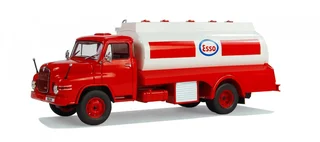
Tow truck vs crane truck

Choose a tow truck if your work is moving vehicles: picking up disabled, illegally parked or damaged cars and trucks and delivering them somewhere else. Choose a crane truck if your work is lifting and placing loads such as building materials, equipment, poles or containers at a job site. A tow truck is built to secure and transport a vehicle over the road, while a crane truck is built to raise, swing and set down loads while parked and stabilized. The main qualification is the heavy-duty rotator, a type of recovery tow truck with a crane-like rotating boom. It narrows the gap but is still a recovery vehicle, not a general-purpose construction crane.
What each vehicle is designed to do
A tow truck, also called a wrecker or recovery vehicle, is a truck equipped to take another vehicle off the road and carry or pull it to a new location. Its equipment is built around vehicle attachment points, wheels and tires, and the stresses of driving with a load attached or on board.
A crane truck is a truck chassis with a mounted crane. Depending on the design, it may be called a boom truck, a truck-mounted crane or, for cranes with a folding, jointed arm, a knuckle boom truck. Its job is vertical and positional work: lifting a load, moving it within the boom's reach and setting it down accurately. Many crane trucks also have a cargo bed, so they can haul materials and then unload them with their own crane.
Common tow truck types
Flatbed or rollback: the bed tilts and slides back so a vehicle can be winched or driven onto it and carried with all wheels off the ground. Often preferred for all-wheel-drive vehicles, low cars and damaged vehicles. Wheel-lift: a metal yoke cradles the front or rear wheels and lifts one end of the vehicle, which is then towed on its other wheels. Compact and quick for light-duty towing and parking enforcement. Integrated wrecker: the boom and underlift are built into the truck as one unit. Common for medium- and heavy-duty towing, such as buses and tractor-trailers. Hook and chain, or sling: an older method that lifts the vehicle with chains. It can damage bumpers and bodywork, so it is now mostly limited to wrecked vehicles or salvage. Rotator: a heavy recovery truck with a boom that can turn and extend, used to upright overturned trucks and recover vehicles from ditches or embankments.
Common crane truck types
Boom truck: a straight telescopic boom mounted on a truck that often has a flatbed. Widely used for materials delivery, signs, utility work and setting rooftop equipment. Knuckle boom truck: a folding, articulated arm that stores compactly and can reach over obstacles. Common for delivering building materials and placing loads precisely. Truck-mounted crane: a larger dedicated crane carrier that relies on outriggers for heavier lifts. Generally used for construction and industrial lifting rather than hauling.
Side-by-side comparison
Factor | Tow truck | Crane truck; Primary task | Moving vehicles from one place to another | Lifting and placing loads at a site; How the load moves | Carried on a bed or towed behind on its wheels | Raised, swung and lowered by a boom while the truck is parked; Typical loads | Cars, light trucks, buses, tractor-trailers | Building materials, machinery, poles, containers, structural parts; Key equipment | Bed or underlift, winch, straps, wheel restraints | Boom, outriggers, hoist, load chart, rigging gear; Typical customers | Motorists, insurers, police and municipalities, dealerships, repair shops | Contractors, utilities, suppliers, industrial sites; Where it works | Roadsides, parking lots, crash scenes | Job sites, yards, delivery points; Overlap | Rotators can lift and reposition vehicles | Some crane trucks can lift a vehicle, but they are not built to tow it
Can one do the other's job?
Only in limited ways. A crane truck can sometimes lift a vehicle, for example placing it onto a trailer, but it has no underlift or tilting bed for securing and transporting a vehicle on public roads. A standard light-duty tow truck has a winch and an underlift, but it is not designed for general lifting and setting of materials. Using either vehicle outside its intended purpose can exceed equipment ratings and may violate manufacturer guidance, insurance terms or safety regulations.
The rotator is the main exception. It is built for heavy recovery, where controlled lifting is part of the job, so it can do crane-like work on wrecked or overturned vehicles. Rotators are specialized and generally a larger investment than ordinary tow trucks, and buying one only makes sense if heavy recovery is your core business.
Which one fits your situation
You plan to offer roadside towing, accident clearance or impound services: a tow truck. Flatbeds and wheel-lifts suit light-duty work, and integrated wreckers suit heavier vehicles. You move vehicles for a dealership, auction or repair shop: a flatbed or rollback tow truck, which carries vehicles without wear on their drivetrain. You deliver building materials and need to unload them yourself: a boom or knuckle boom crane truck with a cargo bed. You set equipment, trusses, poles or other heavy items in place: a crane truck sized for your heaviest lift at your typical reach. You specialize in heavy truck recovery and overturned vehicles: a heavy wrecker or rotator. You need both services occasionally: hiring or subcontracting one of them is usually more practical than trying to make one truck cover both roles.
What to check before buying
For both vehicles, match the rated capacity to your actual loads with a safety margin. Check the truck's gross vehicle weight rating, the maximum loaded weight set by the manufacturer, because it affects licensing, registration and where you may operate. Whether a commercial driver's license is needed depends largely on that rating and on state rules, so confirm with your state licensing agency before choosing a chassis.
For a tow truck, confirm the bed or underlift capacity, the winch rating and the range of vehicles you expect to handle. Towing businesses commonly need state or local towing permits and specialized insurance that covers vehicles while they are being towed, and requirements vary by jurisdiction.
For a crane truck, ask for the manufacturer's load chart, which shows how lifting capacity changes with boom length, angle and outrigger setup. A crane's capacity drops as the load moves farther from the truck, so the maximum rated figure applies only at close range. Crane operation in construction is regulated by federal workplace safety rules that cover inspections and operator qualification or certification, and some states and cities add their own licensing. Confirm what applies to your intended work before you buy.
Gaps in this comparison
No verified figures were available for this comparison, so this article does not state prices, lifting or towing capacities, operating costs or specific models. Those details vary widely by manufacturer, chassis, model year and configuration. For a purchase decision, compare spec sheets and load charts for the exact units you are considering, and check current federal, state and local licensing and permit requirements for your area.