Tow Truck with Flatbed: What to Check Before You Buy
The short answer
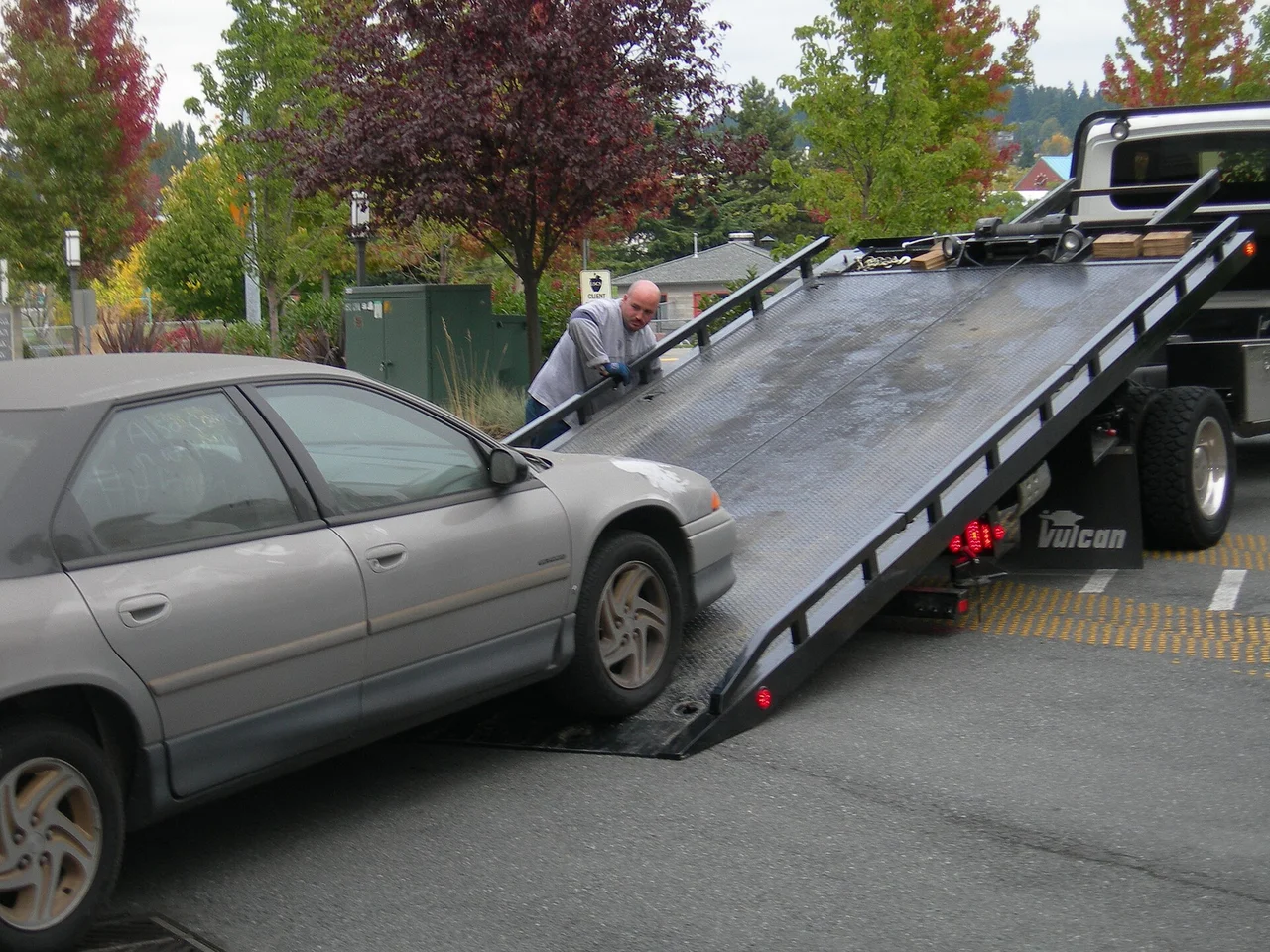
A flatbed tow truck, often called a rollback or car carrier, is usually the right choice if most of your work involves moving vehicles that should not roll on their own wheels. That includes all-wheel-drive cars, low sports cars, damaged or non-running vehicles, motorcycles, equipment and dealer or auction transport. The vehicle rides fully on the deck, so its drivetrain and suspension are not loaded during transport.
The answer changes if your work is mainly fast roadside recovery, removal from tight parking structures, or impound work in dense areas. In those cases a wheel-lift wrecker, or a flatbed that also has a wheel-lift underneath, may serve you better. The other condition that matters most is weight. The heaviest vehicle you plan to carry, plus the deck, body and equipment, decides which chassis class you need. That in turn can affect licensing, registration and insurance.
This article gives no prices, capacity figures or model recommendations. No confirmed specifications or market data were available for it. Treat the points below as a checklist. Confirm every number with the body manufacturer, the chassis maker's documentation and the seller for the exact unit you are considering.
Flatbed or wheel-lift wrecker: which fits the job
Factor | Flatbed (rollback) | Wheel-lift wrecker; How the vehicle travels | Fully on the deck | Front or rear wheels lifted; the other axle rolls; AWD and 4WD vehicles | Generally suitable without drivetrain concerns | May need dollies or special procedures; Damaged or non-rolling vehicles | Well suited; can be winched aboard | Limited by the condition of the wheels and suspension; Low-clearance vehicles | Depends on deck load angle and approach aids | Depends on lift equipment and access; Tight spaces and quick hookups | Needs room behind the truck to tilt and slide the deck | Usually more maneuverable and quicker to hook up; Non-vehicle cargo | Can carry equipment, machinery and pallets within rating | Generally not designed for it
Many operators who need both abilities buy a flatbed with an auxiliary wheel-lift. It lets the truck carry one vehicle on the deck and tow a second behind. If you plan to do this, check that the combined load stays within the truck's ratings. Also confirm that the wheel-lift capacity is stated separately from the deck capacity.
Start with the weight you actually need to carry
List the heaviest vehicles or equipment you expect to haul regularly, not only the typical ones. Full-size pickups, heavy SUVs and electric vehicles can weigh much more than a compact car. Then compare that list with the ratings below. Each one shows up on the paperwork for a specific truck.
GVWR (gross vehicle weight rating): the maximum the loaded truck may weigh, including the truck itself, the body, fuel, crew, equipment and cargo. It appears on the chassis certification label. Payload: GVWR minus the truck's actual curb weight with the body installed. This figure tells you what you can really put on the deck. Ask for a scale ticket or the body builder's weight figure rather than assuming. GAWR (gross axle weight ratings): front and rear axle limits. A load that sits too far back on the deck can overload the rear axle even when total weight is within GVWR. GCWR (gross combined weight rating): it matters if you will tow a vehicle on the wheel-lift or pull a trailer while also carrying a load on the deck. Winch rating: the stated line pull, usually at the first layer of cable on the drum. Pulling force drops as more cable layers build up, so check how the rating is defined.
Flatbed tow trucks are built in two stages. A chassis maker supplies the cab and frame, and a separate body manufacturer installs the deck and hydraulics. Ratings and compatibility depend on that pairing, so match the body's requirements to the chassis's model year, wheelbase, cab-to-axle length, engine and transmission. The same chassis badge can cover several configurations, and they differ in whether they can accept a given deck length or a power take-off (PTO) for the hydraulics.
Licensing and registration questions to settle first
In the US, a commercial driver's license (CDL) is generally required for a single vehicle with a GVWR of 26,001 pounds or more. Some lighter-duty flatbeds are specified under that threshold so that drivers can operate them without a CDL. However, a CDL can still be triggered by the combined rating when towing, or by other factors.
Federal and state rules also cover USDOT numbers, operating authority, inspections and tow-specific permits. These requirements vary with how you use the truck and where you operate. Many cities and states also license towing businesses separately. Check with your state licensing agency, the Federal Motor Carrier Safety Administration's guidance and your insurer before you commit to a configuration. Confirming early helps you avoid buying a truck your drivers cannot legally operate.
Deck and hydraulic features that affect daily use
Deck length and width: it must fit the longest vehicles you carry, and it affects maneuverability and where you can load. A longer deck also shifts the load and the axle weights. Deck material: steel is typically more tolerant of abuse and easier to repair. Aluminum reduces weight, which can increase usable payload, but it costs more and needs different repair methods. Check the manufacturer's stated weights rather than assuming the difference. Load angle: a lower angle when the deck is tilted helps with low-clearance vehicles. Some decks offer features to reduce the angle further. Ask how the specific body handles low cars. Tilt-and-slide versus fixed-pivot designs: these affect how far the deck reaches the ground and how much room you need behind the truck. Winch and cable: check the winch type, cable condition, cable length and whether the winch has a free-spool function for faster hookups. Tie-down system: check the number and placement of tie-down points, whether rails or tracks are provided, and what straps, chains and wheel nets come with the truck. Controls: check whether the hydraulic controls are on one or both sides of the truck and whether a remote is included. Lighting and visibility: check the work lights, warning lights and their compliance with the rules for your area.
New versus used
A new truck lets you specify the chassis and body together. It also comes with manufacturer warranties, which may differ between the chassis and the body. A used truck can lower the upfront cost, but the deck and hydraulics may have worn faster than the odometer suggests. Hours of hydraulic use and the type of work the truck did matter as much as mileage. No pricing or availability information was supplied for this article, so compare current quotes and listings directly.
What to inspect on a used flatbed tow truck
Hydraulic cylinders, hoses and fittings: look for leaks, damaged hoses and pitted cylinder rods. Run the deck through its full tilt and slide range under load if possible. PTO and hydraulic pump: listen for noise and check that the deck works smoothly at normal engine speed. Deck: look for cracks, bends, poor weld repairs and heavy corrosion, especially at the pivot points, rollers and slide rails. Subframe and chassis frame: check for cracks, rust and signs of overloading, such as sagging or uneven tire wear. Winch: check the cable for kinks, broken strands and fraying. Test the brake and free-spool function. Wheel-lift, if fitted: check for play in the pivots and damage to the arms and controls. Chassis basics: engine, transmission, brakes, suspension and tires. Look for wear consistent with heavy loads. Records: ask for service records and hydraulic maintenance history, and check for any open recalls on the chassis. Paperwork: confirm that the title is clear of liens and that the VIN matches the title and chassis label. Check that the GVWR on the label matches what was advertised.
If you are not confident judging the hydraulics or the frame, arrange an independent inspection by a heavy-truck or towing-equipment technician before you pay.
Ownership costs to plan for
Beyond the purchase price, budget for commercial insurance, which depends on how the truck is used and on local rules. Also plan for registration and any permits, and for routine hydraulic and winch maintenance. Tires, brakes and replacement of wear items such as straps and cable add to the cost. Fuel use and maintenance depend heavily on the chassis and powertrain, so ask for figures tied to the exact model year and engine rather than relying on general claims.
Next step
Write down the heaviest and lowest vehicles you need to carry, whether you also need a wheel-lift, and whether your drivers hold CDLs. Use that list to ask dealers and body builders for written GVWR, payload, axle ratings and deck specifications for each specific truck. Compare those figures before you weigh price.