What to Do When a Car Makes a New Scraping Sound
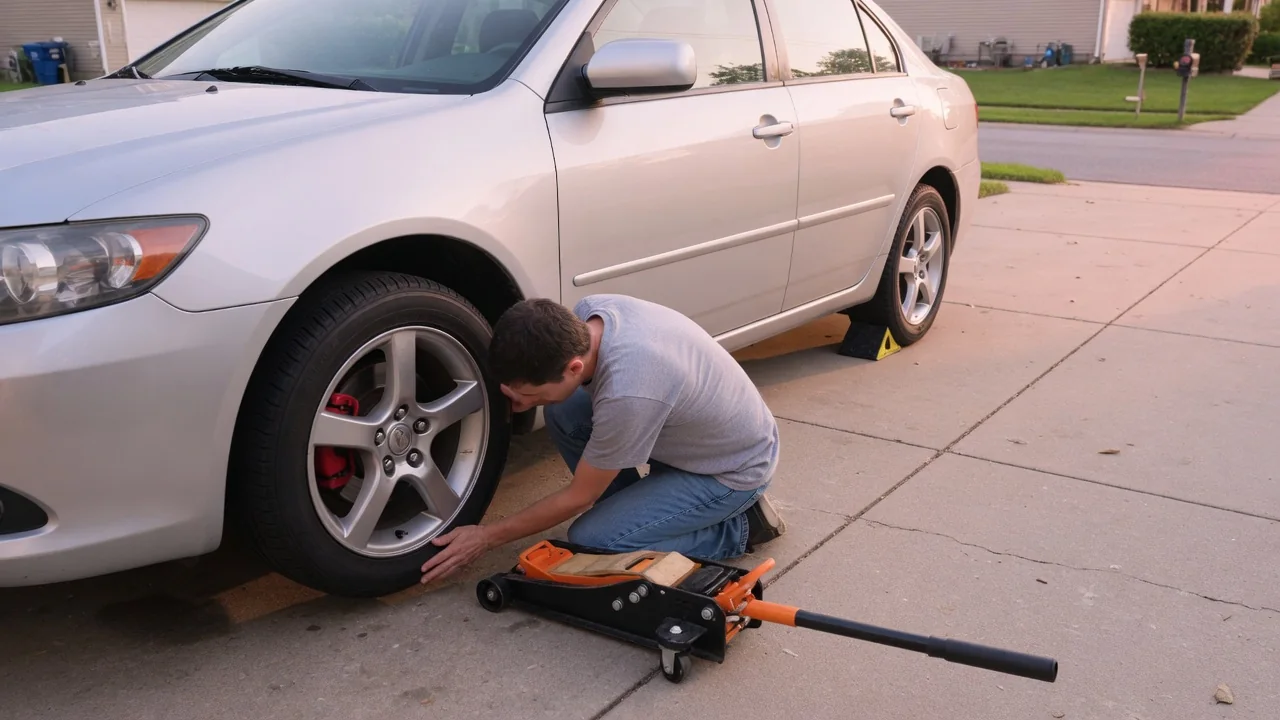
Knowing what to do when a car makes a new scraping sound starts with treating the noise as information rather than a nuisance. Metal dragging on pavement, a brake component touching a rotor, or a loose shield under the body can all sound similar from the driver's seat. This guide walks through cautious observation, a basic visual check, and when to hand the vehicle to a professional.
Stop safely
A scraping noise that was not there yesterday deserves a prompt, calm response. Ease off the accelerator, signal, and move to a level spot well clear of traffic, such as a parking lot or a wide shoulder. Avoid sudden braking unless the situation demands it, because the brakes themselves may be the source. Once stopped, shift into park or engage the parking brake, switch on the hazard lights, and turn the engine off before stepping out to look around.
While slowing down, pay attention to how the vehicle behaves, since those details matter later. Note whether the sound changes with road speed, appears only when the brake pedal is pressed, or grows louder while turning. A pedal that feels soft, a steering wheel that pulls or vibrates, or a warning light on the instrument panel raises the level of concern considerably. Cars differ in how they signal trouble, so the owner's manual is the right reference for what each indicator means.
Look for loose parts
With the car parked and the engine off, a walk around the outside can reveal an obvious cause without tools. Crouch at each corner and look beneath the bumpers and along the rocker panels for anything hanging low. Plastic underbody panels, splash shields inside the wheel arches, and thin metal heat shields near the exhaust are common candidates because their fasteners can loosen or break. A branch, a piece of road debris, or packed snow and ice wedged underneath can produce the same dragging noise.
Keep the check strictly visual. Exhaust components and brakes stay hot enough to burn skin long after a drive, and no one should reach or crawl under a vehicle at the roadside. Through the wheel spokes, some designs allow a view of the brake rotor, where deep grooves or a shiny scored ring may be visible; other wheels and rear drum brakes hide these parts entirely. Seeing nothing wrong does not clear the car, because many possible sources sit out of sight.
Arrange inspection
If the cause is not clearly minor, or the noise involves braking, steering, or a wheel, the cautious choice is to have the car inspected before relying on it again. A scraping sound can come from worn brake pads, a bent dust shield touching the rotor, a failing wheel bearing, or a stone trapped near the caliper, and these are hard to tell apart by ear. When there is any doubt about whether the vehicle is fit to move, a tow removes the guesswork.
A clear description helps the shop work efficiently. Mention when the noise first appeared, whether it followed a pothole, curb strike, or recent service, and which corner it seems to come from. Say whether it is constant or rhythmic, and whether braking, accelerating, or turning changes it. A technician will usually raise the car on a lift and remove wheels as needed, something a driveway look cannot match. Any stored fault codes are clues to interpret alongside that physical inspection, not a verdict on a part.
Everyday Use and Observations
Sometimes the sound comes and goes, which makes careful notes valuable. A light scrape on the first few brake applications after rain or an overnight sit can come from a thin layer of surface rust on the rotors being wiped away, and it typically fades quickly. A noise that returns on every drive, lasts throughout the trip, or grows louder over days points toward something that will not resolve by itself. Having a passenger record a short audio clip can help a technician later.
Conditions shape what is heard. Scraping only over speed bumps or steep driveway entrances suggests something low on the body touching the ground, while a noise tied to wheel rotation speeds up and slows down with the car. Sounds that appear only with a full load of passengers or cargo may involve suspension travel or a tire contacting a liner. Many brake pads include a small metal wear indicator designed to make noise against the rotor, though designs vary and some vehicles use electronic sensors instead.
Limits and Next Steps
Observation by an owner has real limits. Similar noises can come from very different faults, and sound travels through the body in ways that mislead even experienced ears about location. No article can confirm that a particular car is fine to keep driving, and a noise that stops is not evidence the problem is gone; a pad worn to its backing plate or a loose part may simply have shifted. Makeshift fixes for a dragging panel should never be treated as a repair.
The sensible next step is to match the response to what was found. Visible debris that falls away and leaves the car silent still merits a mention at the next service visit. Anything involving brake feel, steering response, warning lights, fluid on the ground, or a hot or burning smell calls for professional help before further driving, and roadside assistance exists for that purpose. Because layouts, shield designs, and brake hardware differ between makes and models, the vehicle's documentation and a qualified technician remain the final authorities.