What to Check Before Lending Your Car to Someone
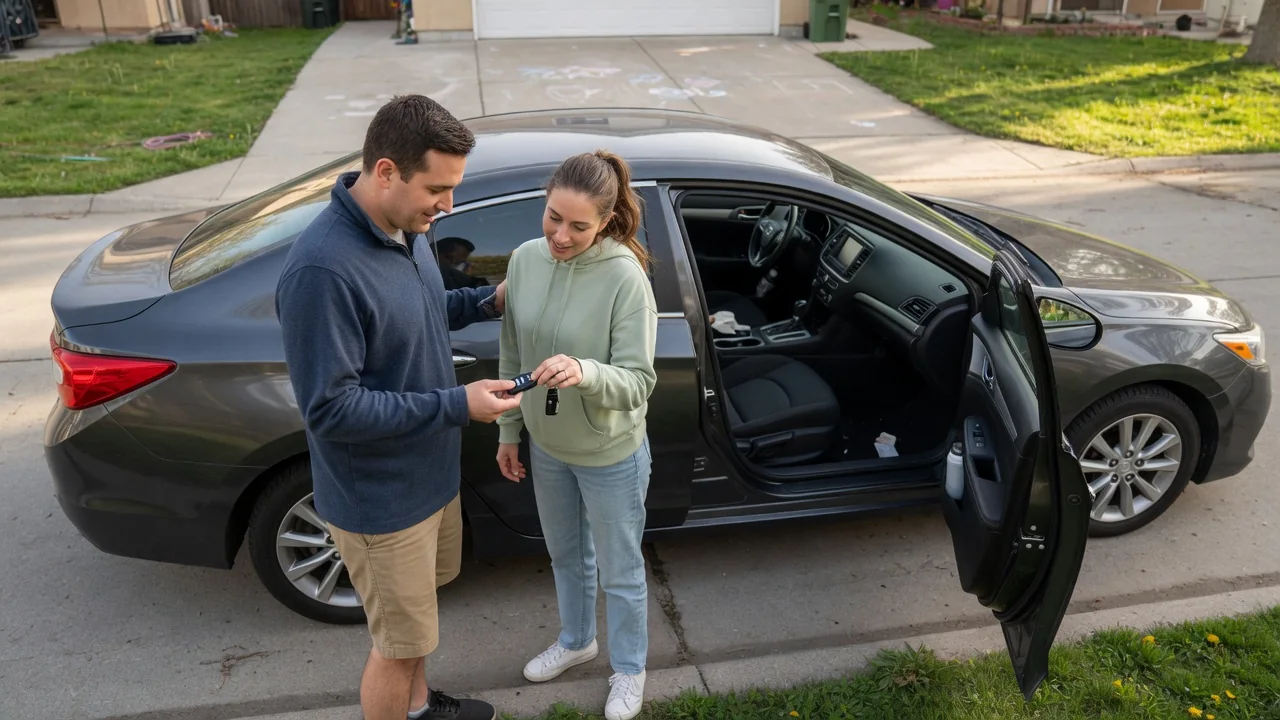
Handing over your keys is easier when both people know what to expect. Knowing what to check before lending your car to someone comes down to three things: how the controls work, what condition the vehicle is in, and what you both agree on before the trip starts. A ten-minute walkthrough in the driveway covers most of it.
Seat and mirrors
A borrower who cannot sit properly cannot drive your car well, so start with the seat. Show them where the adjusters are, because the layout differs widely: some vehicles use manual levers under the cushion and beside the backrest, others use power switches on the seat base or door panel. Have them set the distance so the brake pedal can be pressed fully with a slight bend in the knee, then adjust the backrest and steering wheel so the instrument cluster is fully visible.
Mirrors come next, and they should be set after the seat, not before. The interior mirror should frame the rear window, while the door mirrors should show only a sliver of the car's flank. Point out where the mirror control sits, since it may be on the door, the dash or a stalk. If your car has memory seat buttons, explain which preset is yours so it can be restored later, and mention any blind-spot warning lights so the borrower knows what those icons in the glass mean.
Fuel and vehicle quirks
Fuel is the detail most likely to cause an expensive mistake, so say it out loud. Tell the borrower exactly what the vehicle takes, whether that is a particular gasoline grade, diesel, or a charge from a specific connector type, and show them which side the filler or charge port is on and how the flap opens. Some release from a cabin lever, some unlock with the doors, and some need a push on the flap itself. The label inside the filler door and the owner's manual confirm the correct fuel.
Every car also has habits its owner stopped noticing long ago. Mention the things that would puzzle a newcomer: an electronic parking brake that releases only with a foot on the brake pedal, an unusual gear selector, a start button that needs the key fob in a certain spot, an auto stop-start system that shuts the engine off at lights, or a trunk that needs a firm push. If a warning light is already on, a tire loses pressure slowly, or the brakes feel grabby when cold, say so before they drive away.
Return check
A return check only works if you both know the starting point. Before the borrower leaves, walk around the car together and note existing scratches, wheel scuffs and windshield chips; a few dated phone photos of each side, the wheels and the interior take a minute. Photograph the instrument cluster as well, so the odometer reading, fuel or charge level and any illuminated warning lights are recorded. This is not about distrust; it removes guesswork for both of you later on.
When the car comes back, repeat the same walkaround in decent light and compare. Look at the bumper corners, door edges and wheel rims, which pick up most parking damage, and glance at the tires for fresh sidewall marks. Check that the fuel or charge level matches whatever you agreed, that no new warning lights appear at start-up, and that personal items and the spare key are accounted for. Ask the borrower how the car behaved, because they may have noticed a noise or vibration you have grown used to.
Everyday Use and Observations
Before the loan, a quick look at the car's basic condition protects the borrower as much as the vehicle. Check that the tires look evenly inflated and have visible tread, that all exterior lights and turn signals work, that the wipers clear the glass cleanly and that the washer fluid is topped up. Where the vehicle has an accessible dipstick, an oil level check is worthwhile, though some engines report it only through the dash display. A car you would hesitate to take on a long trip is not ready to lend.
Daily-use controls deserve a short demonstration too. Show how the headlights, wipers, defroster and hazard lights operate, since stalk and switch layouts differ between makes, and explain any driver aids that intervene on their own, such as lane keeping that nudges the steering or parking sensors that beep in tight spaces. Point out where the spare tire or inflator kit, jack and owner's manual are stored. If the borrower's phone will pair with the infotainment system, remind them to remove it from the device list afterward.
Limits and Next Steps
Lending works best when the limits are stated before the keys change hands. Agree on who will drive, roughly where the car is going and when it is due back, and whether it should return with the same fuel or charge level. If you would prefer it not be used for towing, hauling heavy loads, rough roads or carrying pets, say so plainly. Legal and insurance questions vary by policy and location, so those are best confirmed with your insurer or the relevant documents instead of assumed.
Settle what happens if something goes wrong while the car is away. Ask the borrower to call you before continuing if a warning light comes on, a tire goes flat or the car starts behaving differently, and tell them which lights mean stop soon versus mention it later, as the manual describes for your model. Make sure they know where the registration and any roadside assistance details are kept. Afterward, if they report a new noise, pull or vibration, have it inspected by a qualified technician before the next trip.