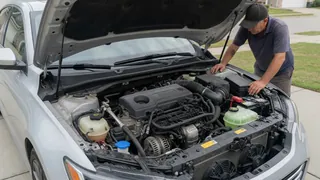
What's Included in a Full, Standard, or Major Car Service
A full car service answers more than an oil change; it is a structured inspection and refresh of the consumable, safety, and wear-related systems that keep a vehicle dependable. Shops use terms such as standard, major, and manufacturer service differently, so a checklist matters more than the label. Reviewing a car service sample clarifies where money goes and how a general service of car differs from a deeper scheduled visit. The useful view is to match service points to your owner’s manual, time and mileage interval, and operating conditions rather than assume every garage package covers the same work.
Essential answer
A standard or general service of car typically centers on engine oil and filter replacement, fluid level checks, tire pressure adjustment, and a basic visual inspection of belts, hoses, lights, and wipers. These service points restore routine consumables and catch obvious leaks or wear before they become roadside failures. Because the work is relatively quick, it suits vehicles between larger scheduled visits and drivers who want predictable upkeep without extensive component replacement.
A full car service list usually expands that base with air and cabin filter checks, brake fluid condition, battery testing, steering and suspension inspection, and lubrication of hinges or latches where applicable. A major car service includes more extensive scheduled service items, often adding spark plugs, transmission fluid, coolant, and fuel-system or induction cleaning when the manufacturer schedule calls for them. The exact contents vary by vehicle and shop, so the itemized estimate is the only reliable definition.
How it works
Service intervals work because time and mileage degrade fluids, rubber, and friction materials even when a car feels normal. Engine oil accumulates combustion byproducts, coolant loses corrosion protection, and brake fluid absorbs moisture that lowers its boiling point. A first service car repair visit often occurs after a short run-in period, mainly to inspect fasteners and change break-in oil, while later visits follow a repeating cycle of minor and major operations that address predictable wear.
The practical effect is risk reduction spread over the life of the vehicle. An inspection converts small observations such as a damp shock absorber, cracked serpentine belt, or thinning brake pad into a scheduled repair before the part fails. Maintenance records also support resale because they demonstrate that the owner followed the manufacturer schedule under regional operating conditions. That history is more useful than a generic “full service” stamp without an itemized list.
Strengths, limitations and suitability
The chief strength of a full or major service is that it consolidates many scheduled service items into one visit, reducing the chance of missing a time-dependent fluid or filter. This approach suits high-mileage drivers, vehicles used for towing or frequent short trips, and owners who want predictable annual budgeting. A comprehensive inspection can also reveal wear that only appears when components are removed or measured, not during a quick walkaround.
The limitation is that “full” is not a legal or universal definition. Two garages can advertise a full car service vs standard package and deliver different filters, fluid brands, and inspection depth. Manufacturer car service programs may also include software updates or specific checks that an independent shop cannot replicate. Shoppers should compare the written service points and confirm whether the price includes synthetic oil, disposal fees, and any replacement parts beyond the base package.
Procedure
Start by confirming the applicable service interval from the owner’s manual or manufacturer schedule, noting whether severe operating conditions require shorter gaps. Ask the shop for a written car service sample or checklist before approval. A useful base procedure includes draining and replacing engine oil, replacing the oil filter, checking all fluid reservoirs, measuring tire tread and pressure, and road-testing for brake and steering behavior. The vehicle should be clean enough for a visible leak check after the work.
During the visit, a responsible technician will also inspect the battery terminals, exterior lamps, wiper contact, suspension joints, and exhaust hangers. After completion, confirm that the maintenance record lists each operation and notes any deferred item. If a component is borderline, ask to see the measurement or reason. A major service may require parts ordering and more labor time, but the completion check remains the same: clean level readings, no warning lights, and a written account of what was actually performed.
Diagnosing a problem
When a vehicle presents an unusual symptom during or after service, separate the scheduled work from the new issue. A rough idle immediately after spark plug replacement could point to an incorrect plug, a disturbed coil connector, or a vacuum hose left loose, not automatically to a failed ignition coil. If a warning light appears, the stored code is evidence to interpret with live data and visual checks, and manufacturer-dependent definitions may require vehicle-specific confirmation before replacing parts.
Fluid leaks after service are often traced to the highest wet point, because oil or coolant travels downward and rearward with airflow. Check levels first, then inspect the drain plug, filter seal, and any disturbed hose before suspecting a major failure. Stop driving if the oil pressure light, overheating warning, or brake warning appears, or if fluid loss is rapid and visible. Otherwise, return to the servicing shop with the written record and describe when the symptom began relative to the visit.