Full Car Service Cost: What Sets the Price and How to Compare Quotes
There is no single price for a full car service. What you pay depends on what the shop includes, which items your vehicle's manufacturer schedule calls for at its current time and mileage, the type of vehicle and engine, and local labor rates. The biggest factor is whether the full service is a shop's general inspection-and-fluids package or a manufacturer milestone service. A milestone service can include major items such as spark plugs, transmission fluid or, on engines that use one, a timing belt, and these can raise the bill far above a basic package. Before you compare prices, confirm which kind of service each quote covers.
What a Full Service Usually Includes
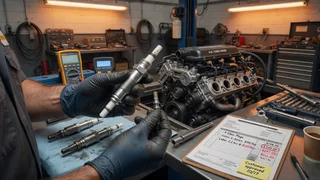
Full service is not a standardized term in the US. Dealers, independent garages and chains each define their own packages, and labels such as basic, interim, full and major mean different things at different shops. A full service package commonly combines an oil and filter change with a broad inspection and some fluid and filter work. Typical items include:
Engine oil and oil filter change; Inspection of brakes, including pad and rotor wear and brake fluid condition; Tire inspection, pressure adjustment and often a rotation; Checks and top-ups of coolant, brake, power steering, washer and other fluids; Engine air filter and cabin air filter inspection or replacement; Battery and charging system check; Inspection of belts, hoses, suspension, steering, exhaust, lights and wipers; A written report of findings and recommended repairs
Two packages with the same name can differ a lot. One shop may replace the air filters as part of the price, while another only inspects them and quotes replacement separately. Ask for the itemized list before you book.
What Drives the Price
Factor | Why it affects cost; Scope of the package | Replacing parts and fluids costs more than inspecting them; Position in the manufacturer schedule | Milestone intervals can add spark plugs, transmission fluid, coolant replacement or a timing belt; Vehicle type and engine | Larger engines may need more oil; some engines need specific oil grades or synthetic oil; access to parts affects labor time; Powertrain | Gasoline, diesel, hybrid and electric vehicles have different scheduled service items; Labor rate | Hourly rates vary by region and by shop type; Parts choice | Original manufacturer parts and aftermarket parts are often priced differently; Findings during inspection | Worn brakes, leaks or other problems are usually quoted as extra work
Because these factors combine, a quote for one car tells you little about the cost for another. Even the same model can need different work depending on model year, engine and how far it has been driven.
Shop Packages vs the Manufacturer Schedule
Your owner's manual or the manufacturer's maintenance guide lists scheduled service items by service interval, usually expressed as both time and mileage, with the service due at whichever comes first. This schedule is the most reliable guide to what your car actually needs and when.
A shop's full service package may include work your schedule does not call for yet, or leave out an item that is due. Compare the package against your schedule line by line. If a major item is due, such as a timing belt on engines that have one, expect it to be priced separately and to be a large share of the total.
How Operating Conditions Change What You Need
Many manufacturers publish a normal schedule and a severe schedule. Severe operating conditions often include frequent short trips, stop-and-go traffic, towing, dusty or unpaved roads, and extreme heat or cold. If your driving fits that description, some items may be due more often, which raises the cost of keeping up with maintenance over time. If it does not, a shop recommending the severe schedule by default may be selling more frequent service than you need. Check which schedule applies to you before agreeing.
How to Get Quotes You Can Compare
Give each shop the exact model year, engine, trim and current mileage; Ask which manufacturer schedule interval the service corresponds to, if any; Request an itemized list showing what is replaced and what is only inspected; Ask what oil type and grade will be used and whether it matches your manual's specification; Confirm whether parts are original manufacturer or aftermarket; Ask whether taxes, shop supplies and disposal fees are included; Ask how the shop handles extra work found during inspection; a reputable shop should contact you for approval before doing it; Ask about any warranty on parts and labor
Dealer, Independent Shop or Chain
Option | Typical strengths | Things to check; Dealer | Model-specific training, diagnostic equipment and original parts; handles recalls and warranty repairs | Labor rates are often higher; packages may add items beyond the schedule; Independent shop | Often lower labor rates; can offer original or aftermarket parts | Experience with your make, especially for hybrids, EVs or diesels; Chain or quick-service shop | Convenient hours and locations; frequent promotions | Promotions may cover only basic items, with upsells added during the visit
In the US, a new-vehicle warranty generally cannot be voided just because routine maintenance was done somewhere other than the dealer. The work should follow the manufacturer schedule and use parts and fluids that meet the specification, and you should keep proof that it was done.
Recommendations to Question
Some add-ons are reasonable, and some are not called for by the manufacturer schedule. Ask why an item is needed and whether it appears in your schedule before approving it. Items worth questioning include:
Engine, fuel system or transmission flushes not listed in the schedule; Fluid replacements recommended well before the scheduled interval without a stated reason; Air filter replacement without showing you the old filter; Fuel or oil additives; Brake work based on a vague description rather than a measured pad thickness or a visible defect
Declining an item now does not stop you from doing it later. If a recommendation seems reasonable but you are unsure, you can get a second quote.
Keep a Maintenance Record
Save every invoice with the date, mileage and itemized work. A complete maintenance record supports warranty claims, helps you avoid paying twice for the same item, and shows which scheduled service items are coming up next. It also tends to make a used car easier to sell, because buyers can see that it was maintained.
Choosing Your Next Step
Start with your manufacturer schedule and current mileage to find out what is actually due. Then ask two or three shops for itemized quotes covering exactly those items. With the same scope across quotes, you can fairly compare price, parts and warranty, and decide whether a shop's full service package is a good value or includes more than your car needs.