What Is Front Overhang on a Car?
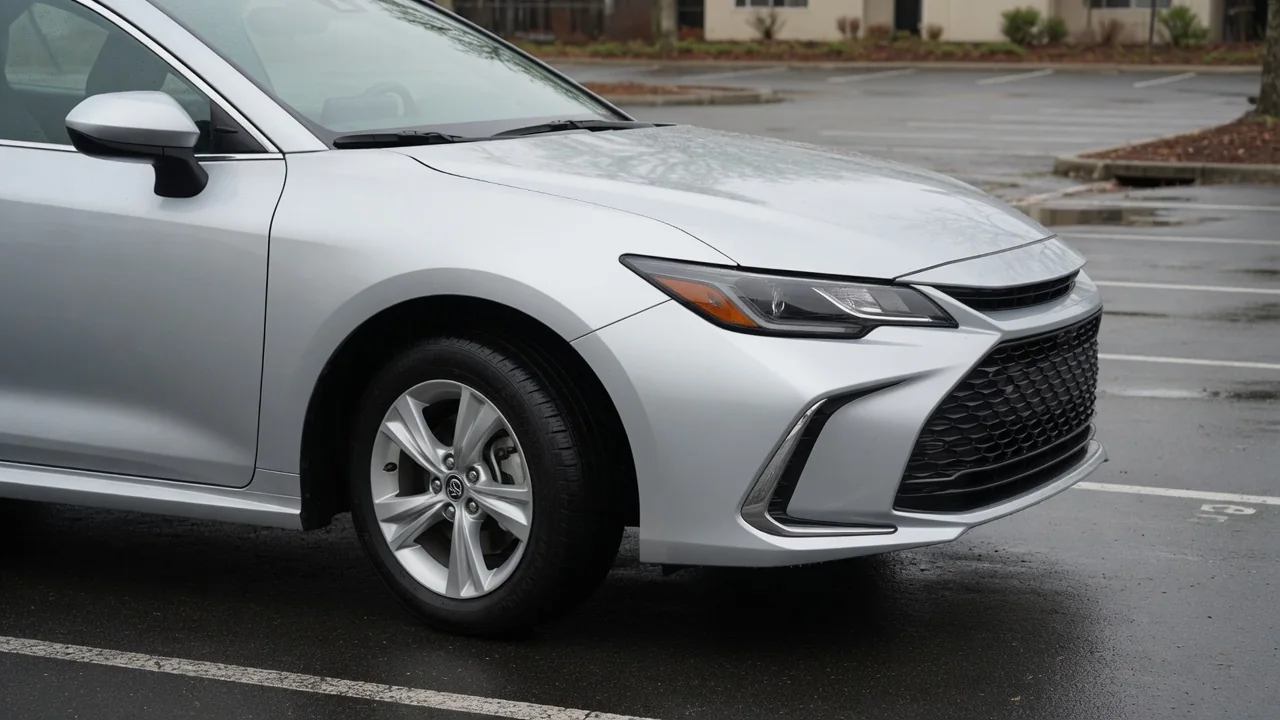
If you have ever wondered what is front overhang on a car, the answer is simple: it is the portion of the body that extends ahead of the front axle. That stretch of bumper, grille, and fender affects how a vehicle parks, climbs driveways, and looks from the side. Understanding it helps explain why some cars scrape where others clear easily.
Measurement
Front overhang is measured horizontally from the centerline of the front wheels to the most forward point of the body, usually the leading edge of the bumper cover. Picture a vertical line dropped through the center of the front wheel hub and another at the tip of the nose; the distance between them, taken parallel to the ground, is the overhang. It is one of three figures that add up to overall length, alongside wheelbase and rear overhang.
You can estimate it at home with the car parked on level ground and the wheels pointed straight. Hold a straightedge or weighted string at the front of the bumper, mark the ground, then mark the point directly below the wheel center and measure between the marks. Published figures may differ slightly from yours, because manufacturers measure to defined reference points and items such as license plate brackets, tow hooks, or optional splitters can alter where the nose actually ends.
Parking and ramps
The length of the nose matters most where the ground changes angle. Engineers describe this with the approach angle, the steepest slope a vehicle can meet before the bumper touches rather than the tires. A long overhang combined with a low front fascia produces a shallow approach angle, which is why a low sports coupe may scrape on a steep driveway apron that a pickup with a short, high nose climbs without contact. Ground clearance and overhang work together here; neither tells the whole story alone.
Parking brings a different challenge. When you pull forward toward a curb or concrete wheel stop, the tires are still some distance away when the bumper is already above or against the obstacle, and the underside of the fascia can catch as you reverse out. In parking garages, the nose also swings wider than the front wheels during tight turns, so pillars and walls need more margin than the tire path suggests. Approaching steep ramps at an angle lets one wheel start climbing before the bumper reaches the slope.
Styling effect
Designers treat overhang as a major proportion tool. A short front overhang pushes the wheels toward the corners, giving a planted, athletic stance, and it has traditionally been associated with rear-wheel-drive layouts where the engine sits lengthwise behind or over the axle. Many front-wheel-drive cars carry a transversely mounted engine and transmission ahead of or over the front axle, which tends to lengthen the nose. Viewed in profile, the gap between the wheel arch and the bumper tip reveals a lot about what sits underneath.
Styling is not the only force at work. The front structure must hold crush space for impact energy absorption, room for radiators and cooling ducts, and bumper beams shaped with pedestrian protection in mind, and aerodynamic shaping often favors a smoothly tapered nose. Electric vehicles built on dedicated platforms can sometimes shorten the overhang because there is no engine to package, though the result differs from model to model. Designers also disguise length with chamfered corners, dark lower trim, and sculpted bumper edges that make the nose appear shorter than it measures.
Everyday Use and Observations
From the driver's seat, the forward edge of the car is often invisible, especially with a sloping hood. That makes it hard to judge how much body sits beyond the wheels, and a longer overhang widens the uncertainty. Front parking sensors and cameras, where fitted, help with this, but they vary in coverage and may not detect low curbs or wheel stops. A simple way to learn your car is to have someone stand beside it while you creep toward a harmless marker and note the sightline.
The car itself keeps a record of how the nose has been treated. Scuffs on the underside of the bumper, a cracked air dam, loose splash shield fasteners, or scraped paint along the lower lip suggest regular contact with curbs or ramps. Loading matters too: heavy braking compresses the front suspension and lowers the nose, as can a full cabin, so a driveway that clears when driving gently may touch when taken briskly. Winter adds snowbanks and ice ridges, which a long, low nose tends to plow into.
Limits and Next Steps
Overhang is a useful number, but it cannot predict clearance by itself. Two vehicles with identical front overhang can behave very differently if one rides higher, has a more steeply raked lower bumper, or wears larger tires. Suspension changes, aftermarket lips, and even worn springs shift the real-world result. Front overhang also says little about turning circle, cabin room, or handling on its own, although mass carried far ahead of the axle can influence how eagerly a car responds to steering inputs.
If the dimension matters for your driveway, garage, or trailer ramp, look for the exact figure and approach angle in the manufacturer's specifications for your particular model year and trim, since option packages can change bumper shape and ride height. Then confirm with a tape measure on your own vehicle, and test tricky entrances slowly before trusting them. When shopping, compare the side profiles of candidates and ask to try the car on the steepest slope you use regularly; that practical check often answers more than any published dimension.