What Is a Vehicle's Track Width?
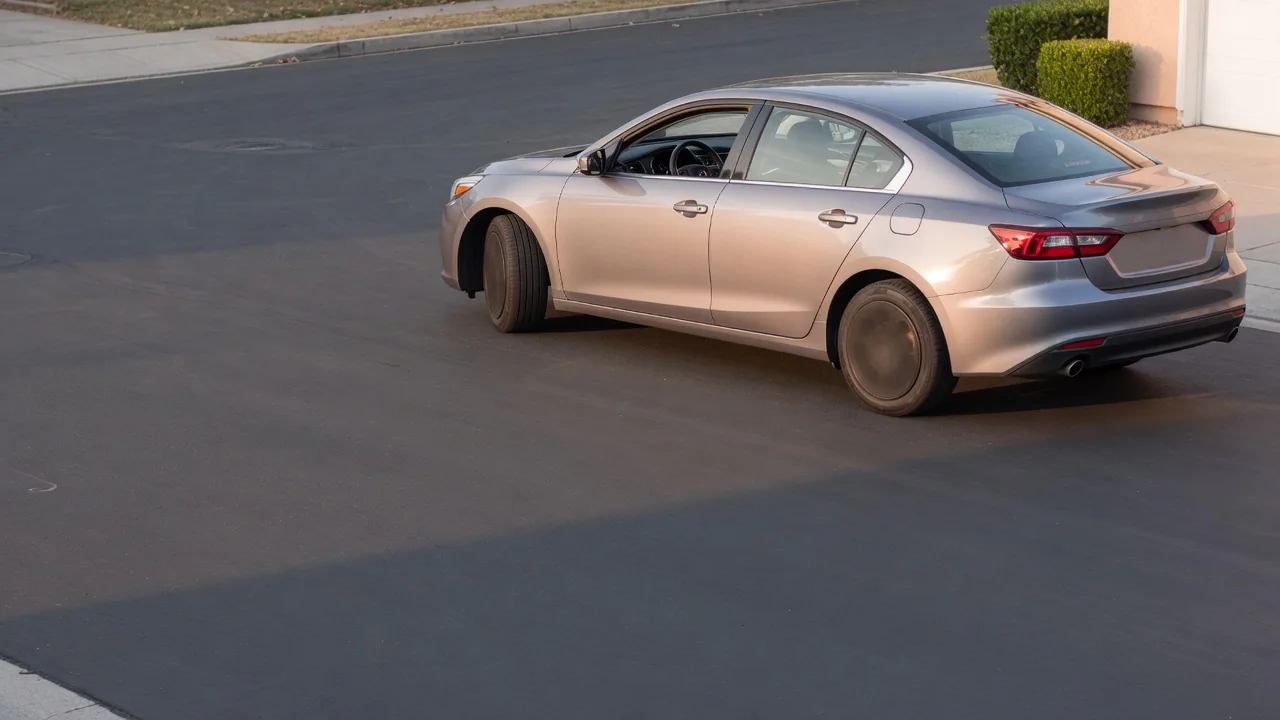
What is a vehicle's track width? It is the distance between the left and right wheels on the same axle, measured from the center of one tire's tread to the center of the other. Sometimes simply called track, it differs from overall body width and from wheelbase, and it shapes how a car fits its body, sits on the road, and responds in corners.
How measured
Track width is measured across a single axle, from the centerline of the left tire to the centerline of the right tire where they meet the ground. Because the reference point is the middle of each tread, the figure does not change simply because a tire is wider or narrower. It is a different measurement from overall width, which includes the body and sometimes the mirrors, and from wheelbase, which runs lengthwise between the front and rear axles.
Manufacturers usually publish separate front and rear track figures, and the two are often not identical. A rear-wheel-drive sports car may carry a wider rear track, while some front-wheel-drive cars are slightly wider in front. A rough check at home involves measuring from the inner edge of one tire to the outer edge of the opposite tire on the same axle, which approximates the center-to-center distance. Published specifications for the exact model, trim, and wheel option remain the more reliable reference.
Packaging and stance
Track width is a packaging decision as much as a dynamic one. Engineers must fit the wheels, suspension arms, brakes, steering components, and driveshafts between the fenders while leaving room for the engine bay, cabin floor, and cargo area. A wider track pushes the wheels outward, which can free up space between them but demands wider bodywork or flared arches. Front wheels also need clearance to steer, so track width interacts with turning circle and wheel-well shape.
Stance is the visual result. When the tires sit close to the outer edge of the fenders, a car looks planted; when they are tucked well inboard, it can look narrow or tall. Full-size pickups and performance cars tend to have broad tracks relative to compact city cars, which are kept narrow for tight streets and parking. Trim levels of the same model can differ too, since wheel offset, tire fitment, and performance packages may move the tire centerline slightly inward or outward.
Handling context
In a corner, weight shifts toward the outside tires. The amount of that lateral load transfer depends largely on the height of the center of gravity relative to the track width, so a wider track at the same ride height moves less load off the inside tires. That generally helps the tires share cornering work more evenly and raises resistance to rollover, which is one reason tall, narrow vehicles feel less settled in quick maneuvers than low, wide ones.
Track width is only one ingredient, however. Spring and anti-roll bar stiffness, suspension geometry, tire compound, weight distribution, and stability control tuning all shape how a vehicle actually behaves. The relationship between front and rear track also matters, because it influences how cornering load is divided between the axles and therefore the balance between understeer and oversteer. Two vehicles with similar track figures can feel quite different, so the number is better read as context than as a prediction of grip.
Everyday Use and Observations
A wide track places the tires nearer lane lines and curbs, which drivers notice in narrow construction lanes, automatic car wash guide rails, and tight parking garages. On rutted highways, a vehicle whose track differs from the worn grooves left by heavy traffic may tug or wander slightly as the tires ride the edges. Off-road, following existing ruts on a trail can be easier for some vehicles than others, depending on how closely their wheels match the established path.
Standing behind a vehicle and sighting along its sides shows how far the tires sit inside the fender lips, and whether the rear wheels follow directly behind the fronts or sit slightly wider or narrower. Track also matters when lining up with trailer ramps, drive-on service lifts, or the paired tire paths of a narrow driveway. Dual-rear-wheel trucks are a special case, since their rear measurement is typically taken between the centers of each wheel pair rather than the outermost tires.
Limits and Next Steps
Track width is set by the factory, yet it can change when wheels with a different offset or wheel spacers are fitted. Moving the tire centerline outward alters scrub radius, the leverage acting on wheel bearings and suspension joints, and clearance to the fenders during suspension travel and steering. Steering feel may change, and tires that protrude beyond the bodywork can conflict with local equipment rules. A wider stance is therefore not automatically an improvement, and results vary by vehicle design.
Anyone comparing vehicles or planning a wheel change should start with the manufacturer's published front and rear track for the exact model year, trim, and wheel size, since figures can differ within one model line. Before altering fitment, a qualified wheel or alignment specialist can confirm whether the proposed setup clears the brakes, suspension, and bodywork and suits the vehicle's load ratings. Afterward, signs such as tire rubbing, a new steering pull, or uneven tread wear deserve prompt inspection rather than being dismissed as normal.