What Does a Sport Mode Button Usually Change?
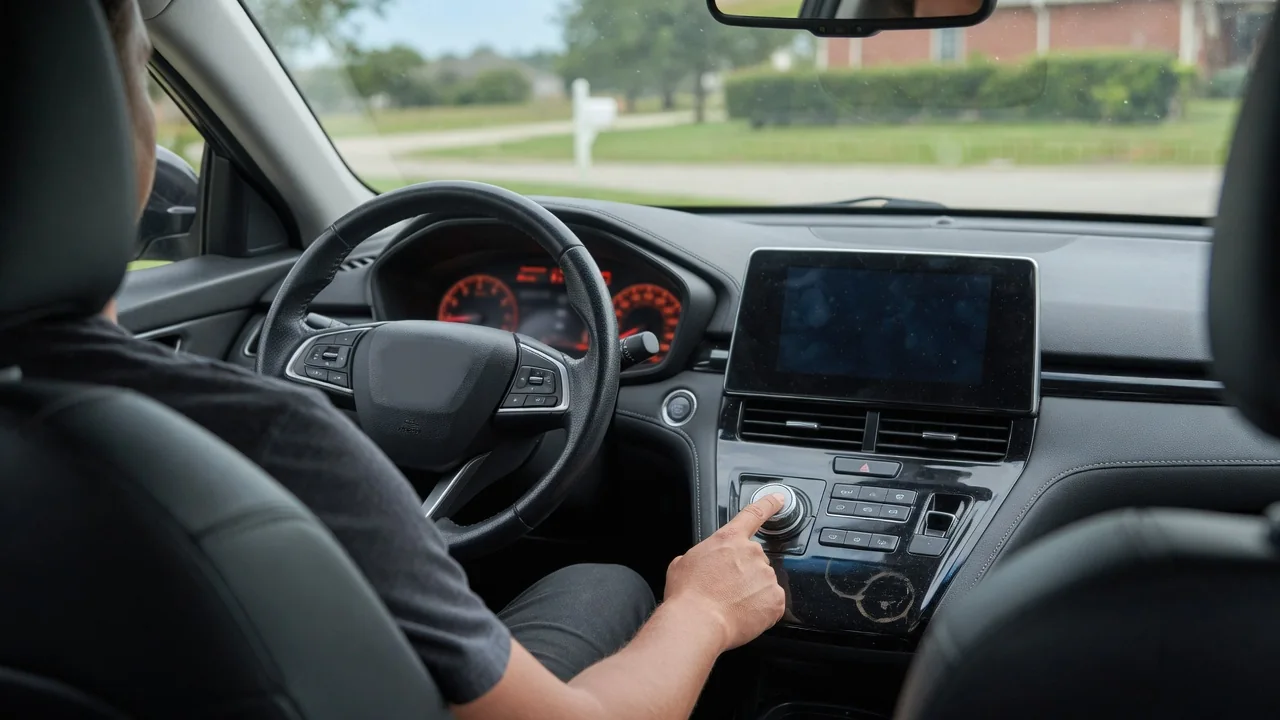
What does a sport mode button usually change? On most vehicles it alters how the car responds to the driver's inputs without adding engine power. Throttle mapping, transmission shift behavior, and steering assistance are the most common adjustments, and some models also alter suspension firmness, exhaust sound, or stability control thresholds. The exact mix depends on the manufacturer, the trim level, and the equipment fitted.
Throttle and shifting
The most noticeable change is usually throttle response. Modern cars use an electronic accelerator, so the pedal sends a signal to the engine computer and has no cable to the throttle. Sport mode typically remaps that signal so a small pedal movement requests more engine output than it would in the normal setting. The engine is not making extra power at full throttle in most cases; the car simply delivers its available power earlier in the pedal travel, which makes it feel more eager.
Automatic transmissions usually change their shift strategy as well. The gearbox tends to hold each gear longer before upshifting, downshift more readily when the driver brakes or presses the pedal, and keep engine speed higher, where response is stronger. Some vehicles also firm up or quicken the shifts themselves. Drivers can see this on the tachometer, which sits higher at a steady speed. Cars with continuously variable transmissions may simulate stepped gears, and manual transmission models may only alter throttle mapping or add rev matching.
Steering feel
Many vehicles with electric power steering reduce the level of assistance in sport mode. The steering wheel feels heavier, particularly at highway speeds and in sweeping corners, which some drivers find more stable and precise. In most cars the steering ratio stays the same, so the wheels turn the same amount for a given input, and the added weight changes the effort required but not the grip available. Heavier steering can feel more connected, yet it gives the driver no extra information about the road surface.
Steering changes vary widely between models. Some cars with variable-ratio or rear-wheel steering systems do alter how quickly the car responds to the wheel, while many mainstream models leave the steering untouched and adjust only the powertrain. Vehicles with older hydraulic assistance generally have no steering adjustment linked to the button at all. A simple way to check is to turn the wheel at low speed in a safe open area in each mode and compare the effort. The owner's manual should list which systems are affected.
When to use
Sport mode suits situations where quick response matters more than smoothness or economy. Merging onto a fast highway, passing on a two-lane road, and climbing a long grade are common examples, because the transmission is already in a lower gear and the engine responds without the delay of a kickdown. On a winding road, the tendency to hold gears through corners and downshift under braking keeps the car settled and ready to accelerate on exit, and it also provides some engine braking on descents.
It is less helpful in stop-and-go traffic, where the sharper pedal can make smooth low-speed driving harder and passengers may notice more abrupt movement. Slippery surfaces deserve particular caution, because a more sensitive throttle makes it easier to spin the driven wheels on rain, snow, or ice. Some vehicles also loosen traction or stability control intervention in sport settings, though many do not. Drivers should confirm how their own car behaves before relying on the mode in poor weather, and choose a snow or comfort setting where offered.
Everyday Use and Observations
In daily driving, the clearest sign of sport mode is higher engine speed at a given road speed. That usually means more engine noise and higher fuel consumption, since the engine spends more time away from its most efficient operating range. Many cars also disable or limit automatic stop-start, cylinder deactivation, or coasting functions while the mode is active. Hybrids and electric vehicles may use the setting differently, sharpening accelerator response, keeping the gasoline engine running, or altering how strongly regenerative braking slows the car.
Other changes depend on equipment. Cars with adaptive dampers often stiffen the suspension, reducing body roll at the expense of ride comfort on rough pavement. Some models open exhaust valves or enhance engine sound through the speakers, and many change the instrument cluster color or layout to confirm the selection. All-wheel-drive systems may send more torque rearward in certain vehicles. Whether the car remembers the setting after a restart also varies; many return to the normal mode each time the ignition is switched on.
Limits and Next Steps
Sport mode has clear limits. It does not improve tire grip, shorten braking distances, or raise the engine's rated output in most vehicles, so the car's physical capabilities remain the same. A base model and a performance trim may carry an identical button yet change very different systems behind it. Using the mode regularly is within the vehicle's design and should not cause harm in a healthy car, although the higher engine speeds will increase fuel consumption and may make a neglected maintenance item more noticeable.
The best next step is to read the drive mode section of the owner's manual, which describes exactly what the button controls on that vehicle. Trying each mode on a familiar road makes the differences easier to judge. If the button appears to do nothing, an indicator fails to light, or a warning message appears, it is worth having the car inspected. A stored fault code would be a starting point for diagnosis, not proof that a specific part has failed, and its meaning should be confirmed for that manufacturer.