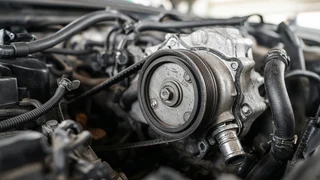
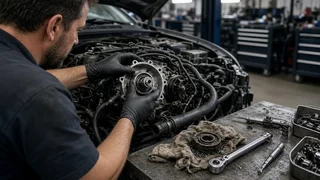
Water pump and timing belt replacement kit
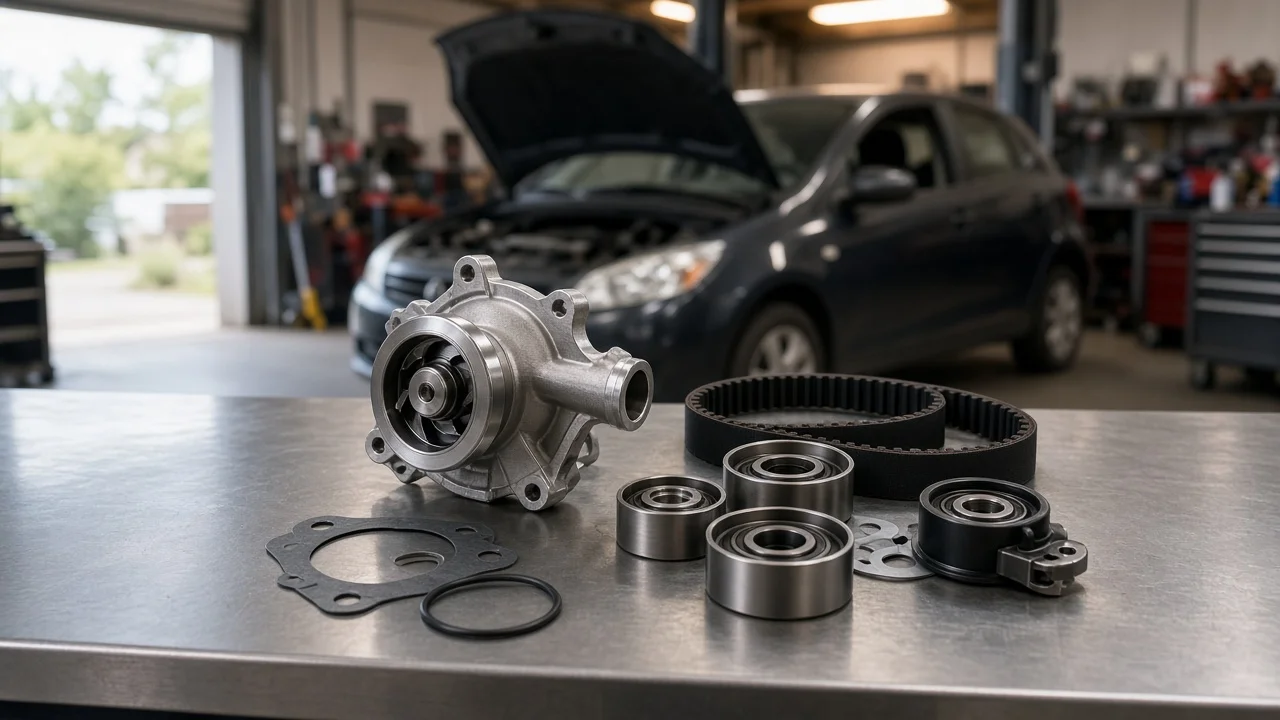
A failing water pump can quickly lead to overheating, belt damage, or an unexpected roadside stop. Because the pump and timing belt share access labor on many engines, buying a combined water pump and timing belt replacement kit often makes practical sense. Choosing the right car water pump replacement kit means checking engine fitment, component coverage, coolant compatibility, and the quality of included seals and bearings. This guide explains the direct answer first, then walks through the core purchase decisions so you can compare kits with confidence.
The direct answer
The direct answer is that you should select a car water pump replacement kit matched to your exact engine, model year, and drivetrain configuration. A complete kit is usually the better value when the water pump is driven by the timing belt or when service access overlaps, since replacing one component without the other means paying for the same teardown again later. For many interference engines, a combined car water pump and timing belt kit also reduces the chance that a seized pump bearing later strips belt teeth and causes valve contact.
The main condition that changes the recommendation is whether the pump is timing-belt driven or driven by a separate accessory belt. If it is only an accessory-belt pump, a full timing belt set may be unnecessary and a dedicated car water pump kit with a gasket or O-ring may be more cost-effective. Before buying, verify the coolant specification and whether the kit includes a thermostat, tensioner, idler pulley, and the correct pressure cap. A lower-priced kit that omits these wear items can leave part of the job incomplete, especially when trapped air pockets in the cooling circuit would require additional bleeding after refilling.