Walmart Group 65 Battery: What to Check Before You Buy
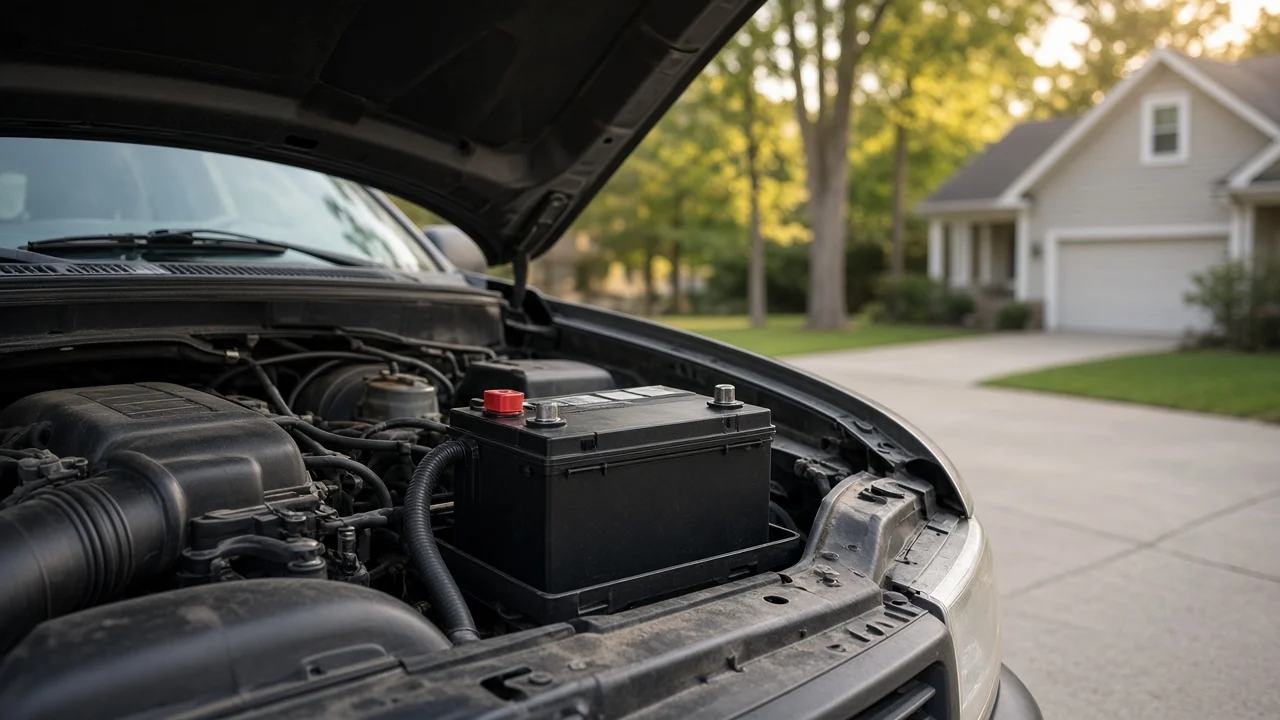
Walmart generally carries group 65 batteries under its EverStart store brand, often in both conventional flooded and AGM versions. Stock varies by store, so check availability for your location before you go. Whether one of these batteries suits your vehicle depends on four things: your vehicle actually calls for group 65, the battery meets or beats the original cold cranking amps rating, it uses the right technology (AGM versus flooded), and the old battery is truly the cause of your problem. If your vehicle has start-stop or came from the factory with an AGM battery, replace it with an AGM. A flooded battery is the wrong choice in that case, even if it physically fits.
What "Group 65" Actually Tells You
Battery group sizes are an industry standard for case dimensions, terminal type and terminal placement. A group 65 battery from any brand should fit the same tray and hold-down and line up with the same cable positions. The group number says nothing about power, lifespan or quality. Two group 65 batteries on the same shelf can differ a lot in cranking ability, reserve capacity and warranty. The group size gets you a physical fit. The other ratings decide whether the battery is a good match.
Group 65 is common in many full-size trucks, SUVs and larger sedans, especially Ford, Lincoln and Mercury models. Many other vehicles use different sizes, though, and some models offer more than one size depending on engine or option package.
Confirm Your Vehicle Uses Group 65
Fitment depends on model year, market, trim and powertrain. A truck with a diesel engine, a heavy-duty or cold-weather package, or a different trim may use a different group size or a battery with a higher rating than the base model. Confirm group 65 for your exact configuration before buying.
Read the label on your current battery, which usually shows the group number. This only helps if the battery is original or was replaced correctly. Check the owner's manual specifications section for battery size or minimum ratings. Use a fitment lookup by year, make, model and engine, either in store or online, and compare the result with what is under your hood. If the label and the lookup disagree, measure the tray and check terminal positions before buying. A previous owner may have installed the wrong size.
Ratings to Compare on the Label
Once you have confirmed group 65, compare batteries on these specifications rather than on brand name or price alone.
Specification | What it means | What to look for; Cold cranking amps (CCA) | Current the battery can deliver to start an engine in cold conditions | At least the original equipment rating; more helps in cold climates; Reserve capacity (RC) | How long the battery can power essential loads if the alternator stops charging | Higher is better for vehicles with heavy electrical loads or frequent short trips; Amp-hour (Ah) rating | Total stored energy, often listed on AGM batteries | Useful for comparing AGM options against each other; Battery type | Flooded (standard) or AGM (absorbent glass mat) | Match the factory type; AGM is required for most start-stop systems; Date code | When the battery was manufactured | Choose the freshest unit available; Warranty terms | Free-replacement period and any prorated period afterward | A longer free-replacement period usually matters more than total coverage length
Flooded or AGM?
A flooded battery uses liquid electrolyte and is usually the lower-cost option. It works well in vehicles that were designed for it and have modest electrical demands. An AGM battery holds its electrolyte in glass mat separators. It is spill-resistant, handles vibration better, and tolerates frequent deep cycling and the repeated restarts of start-stop systems. AGM batteries cost more.
If your vehicle came with a flooded battery and has no start-stop, an AGM upgrade is optional. It can be worth it if you run aftermarket electronics, drive mostly short trips or live in a harsh climate. If your vehicle came with an AGM, stay with AGM. Some vehicles also have a battery monitoring system that is programmed for a specific battery type. Installing a different type can affect how the charging system treats the new battery.
Check Freshness Before You Pay
Batteries slowly self-discharge on the shelf, so a unit that has sat for a long time may start life partly depleted. Look for the manufacturing date code on the case or a sticker. The format varies by manufacturer and may be a letter-and-number code rather than a plain date. If you can't read it, ask staff to help. Pick the most recent unit in stock. If you can, ask for a voltage or battery test before installation.
Make Sure the Battery Is Really the Problem
A new battery will not fix a charging system fault, and a weak alternator or hidden drain can ruin a new battery quickly. If your old battery died young, keeps going flat, or the battery or charging warning light is on, check these points before or alongside the replacement.
Resting system voltage: with the engine off and the vehicle sitting for a while, a healthy, fully charged 12-volt battery typically reads around 12.6 volts. Noticeably lower readings point to a discharged or failing battery. Charging output: with the engine running, system voltage should rise above resting voltage, commonly into the high 13s to mid-14s, though exact targets vary by vehicle. Little or no rise suggests an alternator or regulator problem. Battery terminals: corrosion, loose clamps or damaged cable ends add resistance and can mimic a weak battery. Clean and tighten them during any replacement. Voltage drop: measuring voltage across a cable or connection while it carries current reveals hidden resistance in grounds and power cables that a simple resting reading misses. Parasitic draw: a module, light or accessory that stays on after shutdown can drain a battery overnight. A current-draw test with everything off, compared against the limit in your vehicle's service information, will show whether something is pulling too much power. Fuses and wiring: a blown fuse in the charging circuit, or a fuse with the wrong rating, can stop the alternator from charging properly. The vehicle's wiring diagram shows which fuses and connections feed the charging system.
Many auto parts stores and service centers will test the battery, starter and alternator. Ruling out a charging fault first can save you from buying a second battery.
Installation, Core Charge and Old Battery Disposal
Many Walmart locations with an Auto Care Center can install a battery, but services and hours vary by store, so confirm before you go. In many states, a core charge is added to the purchase. You get it back when you return your old battery, which also makes sure the old lead-acid battery is recycled properly. Bring the old battery with you, or keep your receipt and return it within the allowed time.
If you install it yourself, disconnect the negative terminal first and reconnect it last. Secure the battery with the original hold-down so it can't shift. Some newer vehicles also need the new battery registered or the battery monitoring system reset with a scan tool. Skipping this step can lead to overcharging or undercharging. Check your vehicle's service information to see whether this applies.
Quick Buying Checklist
Confirm group 65 for your exact year, model, trim and engine. Match or exceed the original CCA rating. Choose AGM if the vehicle has start-stop or came with AGM. Compare reserve capacity if you have heavy electrical loads or drive mostly short trips. Pick the freshest date code available. Read the warranty, focusing on the free-replacement period. Check in-store stock and installation availability for your location. Bring the old battery to recover the core charge. Test the charging system if the old battery failed early or a warning light is on.