Volkswagen Golf Engine Oil: Which Specification Your Car Needs
The short answer
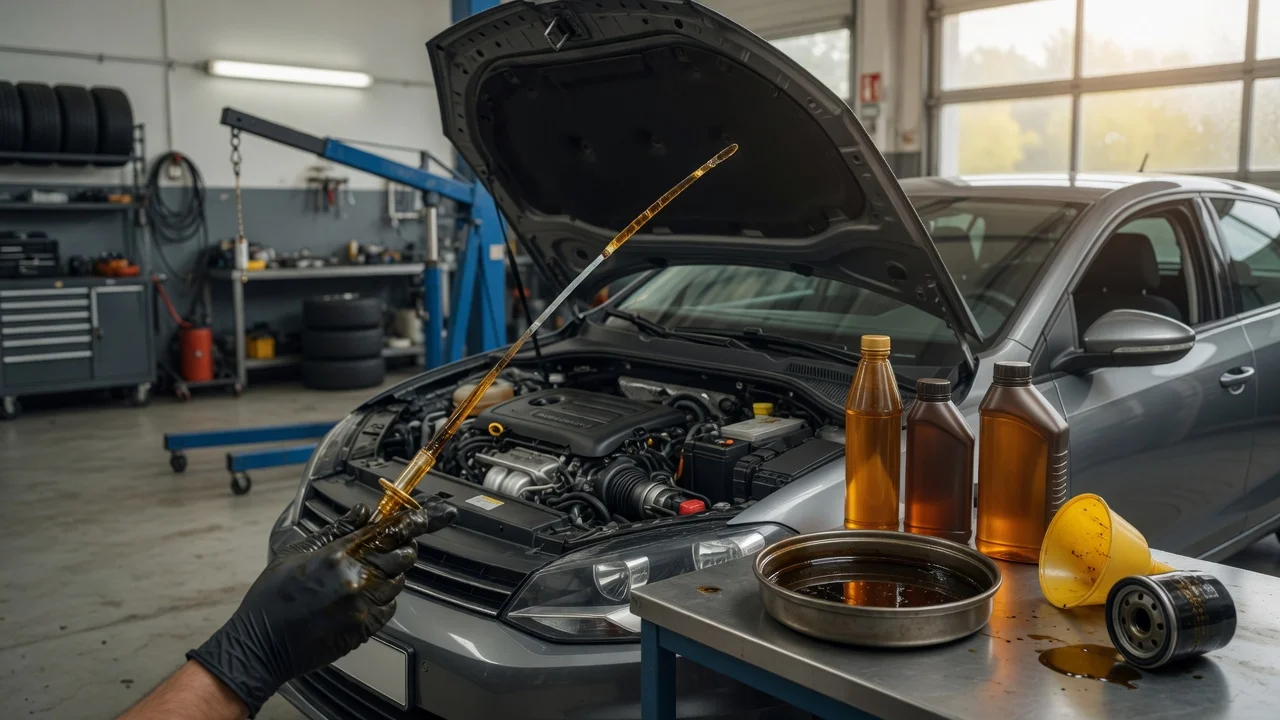
No single engine oil is correct for every Volkswagen Golf. The right oil is defined by a Volkswagen approval number, such as VW 504 00 or VW 508 00, rather than by viscosity or brand alone. Which approval applies depends on the Golf's generation, engine (petrol or diesel, and the specific engine code), the service regime it is set up for, and the market it was sold in. The reliable approach is to identify the VW specification your car requires, then buy an oil whose label lists that exact approval.
How Volkswagen oil specifications work
Volkswagen publishes its own oil standards, written as a three-digit number followed by two digits (for example, 502 00). An oil carrying that approval has been certified by the oil maker as meeting Volkswagen's requirements for that standard. Viscosity grades such as 5W-30 or 0W-20 describe how the oil flows when cold and hot, but they do not by themselves show whether an oil meets Volkswagen's additional requirements for wear protection, deposit control and compatibility with exhaust after-treatment.
The specifications most often associated with Golf models are:
VW 502 00: petrol engines, commonly on fixed (time or distance) service intervals; typically 5W-40 or similar grades. VW 505 00 and VW 505 01: older diesel engines; 505 01 was associated with earlier pump-injector (Pumpe Düse) TDI engines. VW 504 00: petrol engines, intended for Volkswagen's LongLife flexible service intervals; typically 5W-30. VW 507 00: diesel engines, including those fitted with a diesel particulate filter, for LongLife intervals; typically 5W-30. VW 508 00: newer petrol engines that require a low-viscosity oil; typically 0W-20. VW 509 00: the diesel counterpart to 508 00 for newer engines; typically 0W-20.
Why the generation and engine matter
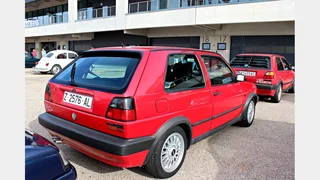
Across the Golf's generations, Volkswagen has fitted many different petrol and diesel engines, and requirements have shifted as engines and emissions systems changed. As a broad pattern, older Golfs on fixed service schedules were commonly specified for 502 00 (petrol) or 505 00/505 01 (diesel), while many later cars set up for LongLife servicing use 504 00 (petrol) or 507 00 (diesel). Some newer engines, particularly in more recent Golfs, are specified for the low-viscosity 508 00 or 509 00 standards. This is a general pattern, not a rule: the requirement for any individual car is set by its engine and the market it was built for, so it should be confirmed rather than inferred from the model year alone.
Compatibility runs in one direction only. Volkswagen has positioned 504 00 and 507 00 as able to replace several older standards in many engines, but 508 00 and 509 00 oils are not backward compatible: they should not be used in engines that call for an older specification, and an engine that requires 508 00 or 509 00 should not be filled with an older-specification oil. Check Volkswagen's guidance for your engine before substituting one specification for another.
How to confirm the right oil for your Golf
Check the owner's manual or service booklet, which lists the required VW specification and permitted viscosity grades. Look for a label in the engine bay or on the underside of the bonnet, where some cars show the oil specification. Give a Volkswagen dealer your vehicle identification number (VIN); they can confirm the specification for the exact engine and market. When buying oil, confirm the container lists the exact VW approval number, not just a viscosity grade or wording such as "suitable for VW".
What this guide does not cover
No model-specific source data was available for this guide, so it does not state oil capacities, exact service intervals, or engine-by-engine specifications for particular Golf generations or markets. These figures vary by engine code and region and should be taken from the vehicle's own documentation or a Volkswagen dealer.