Volkswagen Golf: What to Do When Keys Are Locked Inside
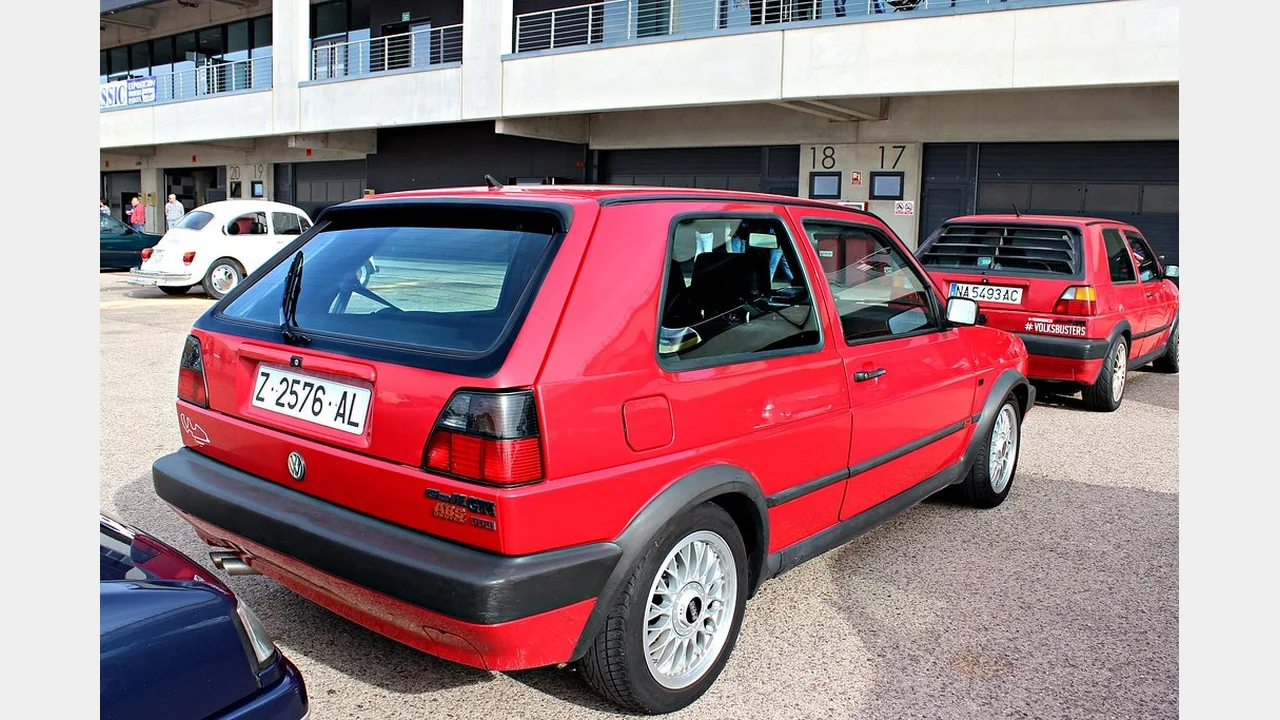
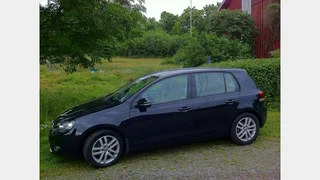
If you have locked the keys in your VW Golf, the quickest safe route back in is usually one of four options: a spare key, remote unlocking through Volkswagen's connected-car app if your car supports it, a roadside assistance lockout service, or a qualified automotive locksmith. Forcing the door or window yourself is the option most likely to cost money, because modern Golf doors contain wiring, sensors and, on many versions, side airbag components. This guide covers which option fits your situation, what each requires, and how to make a repeat lockout less likely. Details vary by model year, generation and trim, and in the US the standard Golf hatchback was phased out after the 2021 model year, so many current owners drive a Golf GTI or Golf R. Check your owner's manual for features specific to your car.
First: Is Anyone or Anything at Risk?
If a child, a vulnerable adult or a pet is inside the car, especially in hot or very cold weather, call emergency services immediately rather than waiting for a locksmith or roadside service. Interior temperatures can become dangerous quickly. In a genuine emergency, breaking a window is justified. Choose a window as far as possible from the occupant.
If the engine is running with the keys inside, the situation is less urgent, but you should still arrange access promptly. An idling car consumes fuel, and an unattended running vehicle may be a concern depending on location and local rules.
Your Options at a Glance
Option | When it works | What you typically need | Main consideration; Spare key | A second key is at home or with someone you trust | Someone to bring it, or a way to reach it | Usually the cheapest and least risky route; Volkswagen app remote unlock | The car is equipped with Car-Net remote access and the service is active | Smartphone, account login, cellular signal for the car | Availability depends on model year, trim and subscription status; Roadside assistance | Your warranty, insurer, credit card or auto club includes lockout service | Membership or policy details, your location, ID | Coverage terms and response times vary by provider; Automotive locksmith | No spare or remote option is available | Proof of ownership and photo ID | Choose a reputable, licensed provider and confirm the price first; Dealer | You need a replacement key made | Proof of ownership, ID, VIN; the car may need to be present | Does not open the car by itself unless combined with another service
Step-by-Step: Getting Back Into Your Golf
1) Confirm the car is actually locked
Try every door handle and the tailgate. On Golfs with Keyless Access, Volkswagen's passive entry system, the car can detect a key near the vehicle. Depending on the version and situation, the system may not lock when it senses the key inside, or it may warn you. That behavior differs by generation and setting, so do not rely on it, but a quick check of each door costs nothing.
2) Look for a spare key
Most Golfs leave the factory with two keys. If the second key is at home, having someone bring it is usually the cheapest solution. The typical Golf key combines a remote transmitter, the buttons that lock and unlock the doors by radio signal, with a folding or removable mechanical key blade. If the remote battery in the spare is weak, the mechanical key can still open the driver's door. On many recent Golfs the driver's door lock cylinder sits behind a small cover on the handle. The owner's manual explains how to remove that cover without scratching the paint.
3) Try remote unlocking through the app
Many US-market Volkswagens offer remote lock and unlock through Volkswagen's Car-Net service and smartphone app. Whether your Golf supports it depends on its model year, trim and equipment, and on whether the remote access service is enrolled and active. The car also needs cellular reception, so an underground garage may prevent the command from reaching it. If you have never set up the app, enrolling while standing beside a locked car may not be practical, since setup can require steps tied to the vehicle and your account.
4) Call roadside assistance
Lockout help is a common roadside assistance benefit. Check whether you are covered through Volkswagen's new-vehicle roadside program while the car is under its coverage period, through your auto insurance policy, an auto club membership, or a credit card benefit. Have your location, vehicle description and membership or policy number ready. Expect the technician to ask for identification before opening the car.
5) Hire an automotive locksmith
If none of the above is available, an automotive locksmith can usually open a Golf using non-destructive entry tools designed for modern vehicles. When you call, describe the car's model year and generation, confirm that they handle Volkswagens, and ask for the total price, including call-out fees, before they dispatch. A legitimate locksmith will require proof of ownership, such as the registration or title together with photo ID matching the name on it. If your documents are locked inside the car, explain this up front. Many locksmiths will open the car and then check the paperwork before you drive away.
6) Completion check
Once you are inside, confirm the key works normally: unlock and lock with the remote, start the car, and check the instrument cluster for warning messages. If the door was opened with tools, inspect the window seal, door trim and paint around the frame for damage, and make sure the window still opens and closes smoothly.
Why DIY Entry Is a Poor Idea on a Golf
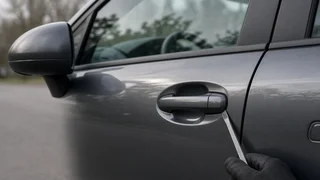
Coat hangers, wedges and slim-jim style tools were sometimes used on older cars with simple linkage rods inside the door. Modern Golf doors are different. They contain wiring harnesses, electric lock actuators, window regulators and, depending on the version, side impact or airbag sensors. Probing inside the door can bend linkages, tear seals, scratch glass or damage wiring, and the repair can cost more than a professional lockout service. Prying the top of the door frame can also distort it, leading to wind noise or water leaks.
Breaking a window should be reserved for emergencies. Glass replacement, interior cleanup and any damage to trim or seals usually make it the most expensive option. If it truly cannot be avoided, a small rear side window is generally preferable to the windshield or a front door window, but the cost and availability of replacement glass vary by model.
How the Golf's Locking System Can Lock Keys Inside
Understanding the system helps explain how a lockout happens and how to prevent the next one. Common scenarios include:
Locking manually: pressing the interior lock button or the lock function before closing the door can leave the key inside, depending on the car's settings and version. Automatic relocking: many Volkswagens relock themselves if you unlock with the remote but do not open a door within a short time. If a key was left inside after an earlier unlock, the car may secure itself. A second key in use: if someone else locks the car with the other key, the system will not necessarily detect the key left inside. Keyless Access detection limits: on cars with passive entry, a key lying in a shielded spot, such as near metal objects or another electronic device, or close to the edge of the cabin, may not be detected reliably. Tailgate lockouts: dropping keys into the cargo area and closing the hatch can trap them if the car is already locked or relocks. Weak remote battery: a failing key battery can make the remote or passive entry behave unpredictably, which sometimes contributes to confusion about whether the car is locked.
If your Golf repeatedly locks itself unexpectedly, or locks with the key detected inside when your manual says it should not, have the locking system and key checked by a dealer or qualified technician. Repeated unexplained locking can point to a door lock module, a sensor or a key issue rather than simple bad luck.
If the Key Is Lost Rather Than Locked Inside
Sometimes a lockout turns out to be a missing key. Getting into the car is only half the job then, because the Golf uses an immobilizer: an anti-theft system that only allows the engine to start when it recognizes an electronically matched key. A cut blade alone will open the door but will not start the car.
A replacement key needs both cutting and key programming, the process of registering the new key's electronics with the car's immobilizer. A Volkswagen dealer can do this, typically requiring proof of ownership, photo ID and the vehicle identification number. Some automotive locksmiths can also program Volkswagen keys, but capability varies by generation, and newer Golfs may require dealer-level access. Ask the provider directly whether they can program a key for your specific model year. If a key is lost or stolen, ask about removing it from the car's memory so it can no longer start the vehicle.
How to Avoid the Next Lockout
Keep the spare key somewhere reachable, such as with a trusted person nearby, rather than in a drawer far from where you drive. If your Golf supports Car-Net remote access, enroll and test remote unlocking before you need it. Make a habit of locking the car with the key in hand, using the remote or door handle, instead of the interior lock button. Replace the key battery when range drops or the car reports a weak key battery. Note your roadside assistance details, whether insurer, auto club or Volkswagen coverage, in your phone. Keep a photo of your registration and ID on your phone to help with proof of ownership if the originals are in the car.
Bottom Line
When your VW Golf keys are locked in the car, start with the least invasive option: a spare key, then remote unlocking if your car and subscription support it, then roadside assistance or a reputable automotive locksmith. Have proof of ownership ready, avoid forcing the door, and break a window only when someone's safety is at stake. If a key is actually lost, plan for a properly programmed replacement, since the immobilizer means a cut blade alone will not start the car.