VW Golf steering angle sensor calibration
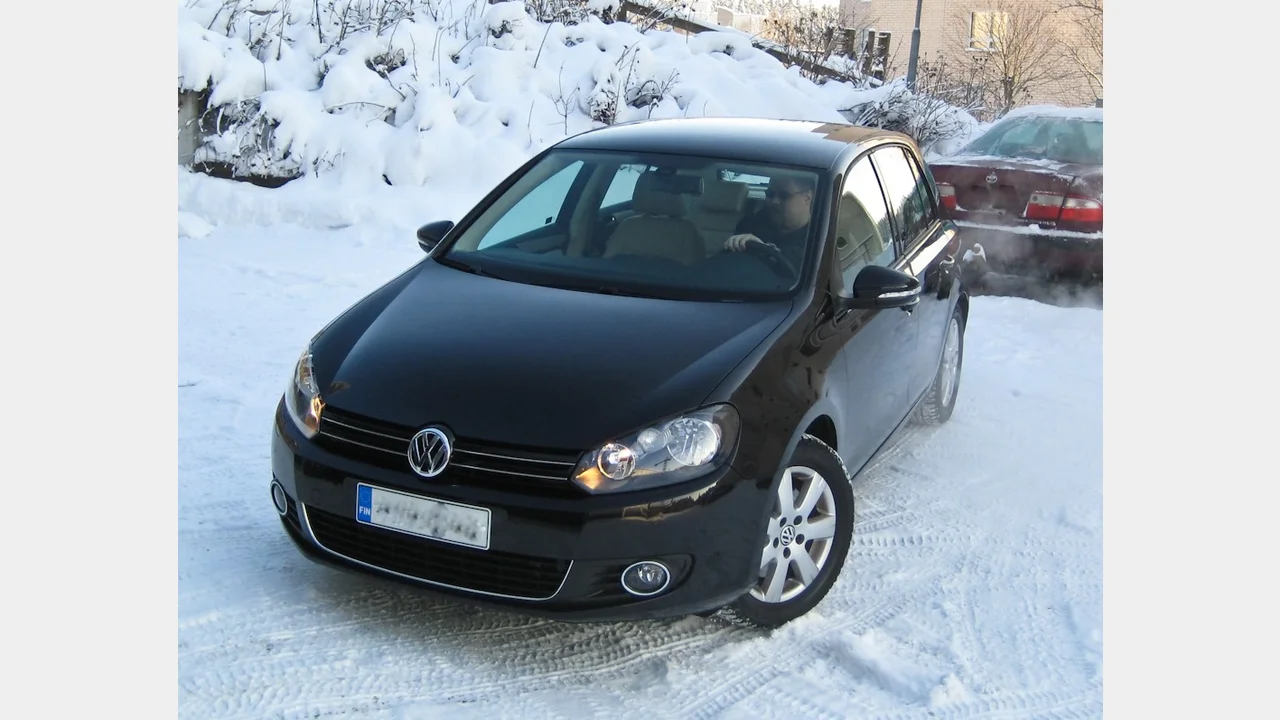
When a VW Golf steering angle sensor loses its learned center position, the stability and traction systems can misinterpret how the front wheels are pointed. Drivers often notice a traction light, steering warning, or incorrect return-to-center feel after battery disconnection, suspension work, or a clock spring replacement. The fix is not always a physical repair; many vehicles need a software-level reset or adaptation rather than a new component. Understanding the difference between a temporary zero-point reset and a full steering angle sensor calibration helps prevent unnecessary parts replacement and clarifies what tools such as VCDS or OBDeleven are actually doing when they run the procedure.
Essential answer
Resetting or calibrating the steering angle sensor on a Golf, Passat, or related VW platform teaches the control module where the straight-ahead position is. The sensor is commonly identified as G85, and its zero point must agree with the front wheels and steering rack. If that agreement is lost, the electronic stability program may reduce power, pulse a brake, or display a steering warning even though the mechanical linkage is fine. The essential task is to clear any incorrect learned value and perform a basic setting so the module can relearn the centered reference.
On a Golf mk4 through mk7, the exact menu path varies because the control modules and software generations changed over the years. A mk4 or mk5 may respond to a simple reset procedure with limited diagnostic equipment, while a mk7 often requires the adaptation to run through a steering assistance or ABS module. Tools such as VCDS, OBDeleven, or other compatible diagnostic interfaces can access the function, but manufacturer-dependent access conditions must be confirmed for the specific module and vehicle year.