VW Steering Angle Sensor by Model
When a VW steering angle sensor loses its reference, the vehicle can misinterpret how far the wheels are turned even if the steering feels normal. This affects stability control, electric power steering assist, and driver aids on many models, including the Golf, Polo, Tiguan, Touareg, Beetle, and T5. The sensor reports steering wheel position and rate to control modules, which compare that data with yaw and wheel-speed inputs. Understanding how the part varies by model helps owners connect scan-tool findings, warning lights, and steering behavior to the correct assembly without assuming one part number fits every platform.
Essential answer
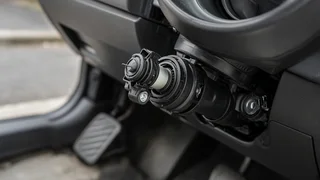
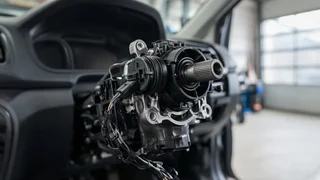
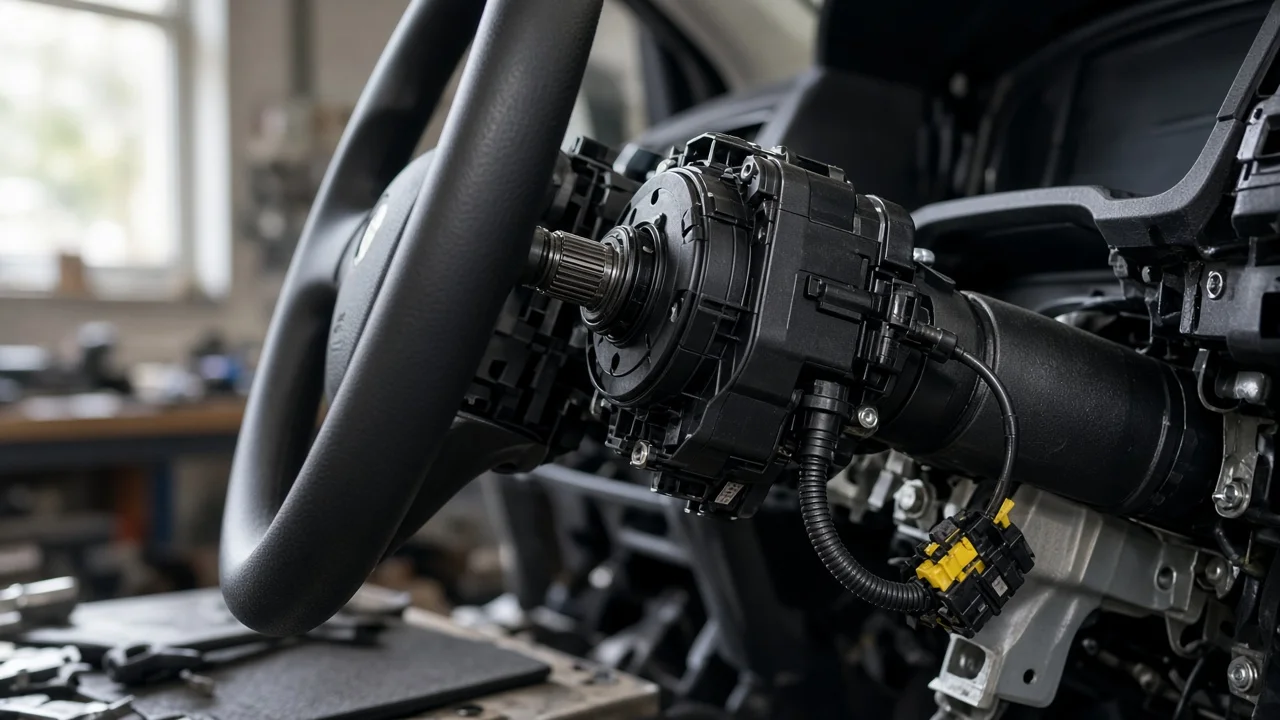
A Volkswagen steering angle sensor provides a measured steering wheel position signal to the stability and steering systems, but the exact component type and mounting location depend on the model and generation. Some vehicles use a sensor integrated into the steering column electronics behind the wheel, while others package the angle measurement within the rack, clock spring, or a separate module on the column. This platform difference explains why a part identified for a Touareg may not be usable on a Golf or T5 even when the electrical connector looks similar.
When a scan tool logs a steering angle fault, the code is a starting point rather than proof that the internal sensor has failed. Wiring integrity, power supply, steering column alignment, and incorrect basic settings can all produce similar symptoms. On models such as the Beetle or Tiguan, a fault may appear after battery replacement or a wheel alignment because the module loses its learned center position. The useful next step is to check scan data, compare the reported angle with the actual wheel position, and confirm the correct vehicle-specific sensor and calibration procedure before replacing parts.