Vintage Tire Bead Breakers
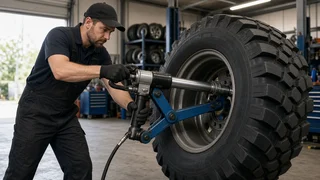
Shopping for a vintage tire bead breaker turns quickly from a simple tool search into a question of rim protection and workspace leverage. Older steel wheels, split rims, and aged sidewalls often grip the bead seat stubbornly, so a dedicated breaker saves time and reduces damage compared with improvised pry methods. The measured interest in this category is commercial, meaning buyers want to know what makes a usable tool before ordering. Understanding how the shoe contacts the sidewall and how the lever converts force helps you choose among floor-mounted, portable, and clamp-on designs without relying on unsupported specifications.
The direct answer
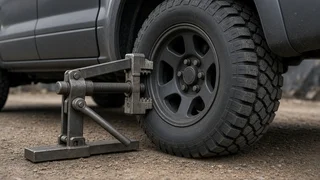
A vintage tire bead breaker should begin with a design that concentrates force close to the rim flange while keeping the contact shoe broad enough to avoid cutting an aged sidewall. The best starting point is a tool that supports wheel sizes you actually work with, because a narrow shoe on a tall wheel can slip before the bead releases. Look for stable mounting, either bolted to a bench or floor plate, so your effort goes into the bead rather than chasing the tool across the garage.
The material condition matters more than the age of the design. Inspect the pivot, the shoe edge, and any threaded adjuster for wear that could concentrate pressure unevenly. Drivetrain compatibility is not directly involved, but wheel diameter, rim width, and how far the bead seat sits inward affect whether a breaker reaches the sidewall at a useful angle. Portability is valuable for swap meets or remote storage, yet a lightweight tool may require more body weight on the lever to break a deeply rusted bead. Choose a breaker that fits your typical wheel range and the space where you will use it, then confirm the contact surface is smooth and wide enough for the sidewalls you plan to save.