Hydraulic Tire Bead Breakers
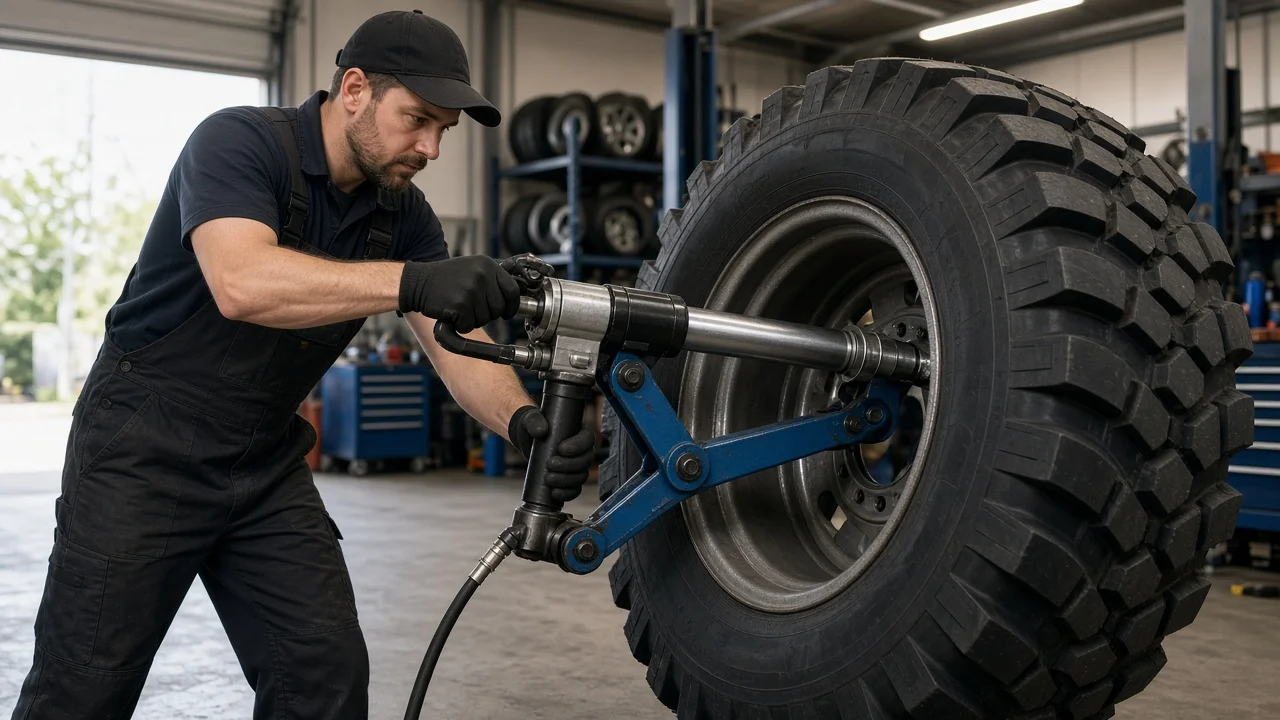
A hydraulic tire bead breaker reduces the effort of separating a tire’s bead from the rim, especially on stiff or corroded assemblies. For a hydraulic tractor tire bead breaker, the pressing force does the heavy work where manual levers often struggle. Choosing one starts with matching the tool’s reach, jaw opening, stroke, and mounting style to the wheel size, load index, inflation pressure, and drivetrain compatibility of the equipment you service. The right design makes breaking the bead safer, faster, and more controlled.
The direct answer
The immediate answer is that a hydraulic tire bead breaker can be a worthwhile purchase when you regularly handle low-profile, rusted, or large agricultural and industrial tires that resist a manual bead hammer or slide-hammer tool. The hydraulic cylinder pushes a wedge or shoe against the sidewall near the rim flange, concentrating force where the rubber and steel meet. That matters because simply letting air out does not free a bead that has bonded to the rim through corrosion, heat, or dried tire sealant. The tool’s value depends on how often you face that condition and whether your work area supports floor or stand mounting.
Before buying, verify the breaker’s opening height and shoe angle can fit the tire size profile you service. Also consider the inflation pressure during seating operations and the vehicle placard values when servicing road machines. A tool sized for compact passenger wheels may not reach a deep tractor rim, while a large agricultural unit may be too coarse for narrow implement tires. Confirm that the hydraulic pump arrangement, whether hand pump, air-over-hydraulic, or powered unit, matches your available air supply or electrical source. The hydraulic tractor tire bead breaker should grip or brace securely so force does not push the wheel sideways instead of peeling the bead loose.