Velocitation While Driving: What It Is and How to Counter It
What velocitation means
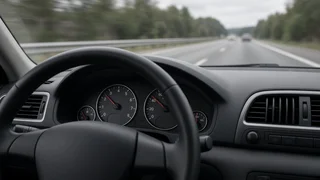
Velocitation is a perceptual effect in which a driver who has been traveling at a sustained high speed starts to feel that a lower speed is slower than it really is. After a long stretch of highway driving, 45 mph can feel like a crawl, so the driver may stay faster than intended when leaving the highway, entering a town, or approaching a curve or intersection. A driver experiencing this is sometimes described as "velocitized."
The key point is that velocitation is not a vehicle fault or a failure of the speedometer. The car reports speed accurately; it is the driver's internal sense of speed that has drifted. Because of that, the effect applies to any vehicle, regardless of make, model year, or powertrain, though some vehicle characteristics can make it easier or harder to notice.
How it works
Drivers judge speed mostly through indirect cues rather than by reading the speedometer continuously. These include the movement of the scenery through peripheral vision, often called optic flow, along with wind and road noise, engine or motor sound, vibration, and the time it takes to pass fixed objects such as signs or lane markings.
When those cues stay consistent for a long time, the brain adapts to them and treats them as the new normal. This kind of sensory adaptation is common: a constant sound fades into the background, and a steady sensation of motion becomes less noticeable. When the driver then slows down, the reduced flow of scenery and lower noise feel unusually slow by comparison with the adapted baseline. The result is a tendency to brake less than needed or to speed up again without realizing it.
The effect generally fades after the driver has spent some time at the lower speed, as perception readjusts. The risk is concentrated in the transition period right after slowing down.
Where velocitation typically shows up
Highway exit ramps, especially those with tight curves or a stop at the end; The first stretch of road after entering a town or village from an open highway; Construction zones placed on otherwise fast roads; Merging from a highway onto a slower arterial road or a frontage road; Roundabouts and intersections reached shortly after a long high-speed section; Parking lots and residential streets at the end of a long trip
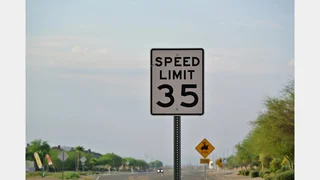
In each case, the danger comes from arriving at a point that requires a much lower speed while still carrying the perception set by the faster road. Common consequences include entering a curve faster than it can comfortably be taken, stopping later than planned, following too closely in slower traffic, or unintentionally exceeding a lower posted limit.
How velocitation differs from similar driving effects
Velocitation is often confused with other conditions linked to long drives. They can occur together, but they are not the same thing.
Effect | What happens | When it matters most | Main countermeasure; Velocitation | Speed feels lower than it actually is after prolonged fast travel | Transitions from high speed to lower speed | Check the speedometer deliberately and slow down early; Highway hypnosis | Driver operates on autopilot with reduced awareness and may not remember recent miles | Long, monotonous stretches of road | Active scanning, varied attention, regular breaks; Driver fatigue | Sleepiness, slower reactions and impaired judgment from lack of rest | Late at night, after long hours awake or driving | Stop and rest; fatigue is not solved by willpower; Speed creep | Gradual, unnoticed increase in speed on an open road | During steady cruising | Cruise control or periodic speed checks
The distinguishing feature of velocitation is that the driver can be fully alert and still misjudge speed. Highway hypnosis and fatigue are problems of attention and alertness; velocitation is a problem of calibration.
Vehicle factors that can influence it
Because drivers rely partly on sound and vibration to sense speed, vehicles with well-insulated cabins, smooth suspensions, and quiet powertrains can make speed less noticeable in general. Electric vehicles, which lack engine noise, and luxury models with extensive sound deadening fall into this category. This does not mean these vehicles cause velocitation, but they remove some of the cues a driver might otherwise use to notice that they are still moving quickly.
Some driver-assistance features can help. Speed limit display based on traffic sign recognition or map data, intelligent speed assistance warnings, and head-up displays that keep current speed in the driver's line of sight all make it easier to compare actual speed with the posted limit. Availability and behavior of these features vary by model, trim, model year and market, so check what a specific vehicle offers rather than assuming it is present.
Adaptive cruise control is useful on the highway but should be disengaged or adjusted deliberately when leaving it. If the system is still set to a highway speed as you approach an exit, it reinforces the same mismatch velocitation creates.
How to reduce the effect
Treat the speedometer as the authority during any transition. Make a deliberate glance at it after exiting a highway or entering a lower-speed zone, rather than trusting how fast the car feels. Begin slowing earlier than feels necessary when approaching an exit ramp, especially one with a curve or a stop sign. Read advisory speed signs on ramps and curves and use them as a reference point for how much to slow down. Cancel or reset cruise control before the exit rather than on the ramp. Watch the behavior of the scenery and other traffic: if you are closing on slower vehicles quickly, you are likely faster than you think. Take breaks on long drives. Stopping and walking around resets your sense of speed and also addresses fatigue. Allow a short adjustment period after leaving the highway, keeping extra following distance until your perception settles.
Who should pay particular attention
Anyone who drives long distances on highways can experience velocitation. It is particularly relevant for commuters with long highway segments followed by city streets, road-trip drivers, commercial drivers, and newer drivers who have less experience gauging speed during transitions. Drivers of heavy vehicles, towing setups or loaded vans should be especially careful, since carrying excess speed into a ramp or curve has greater consequences when more distance is needed to slow down.
The bottom line
Velocitation is the normal tendency to underestimate speed after a long period of fast driving. It affects alert, capable drivers and is most dangerous in the moments after leaving a high-speed road. The practical fix is simple: during speed transitions, rely on the speedometer and posted limits rather than on feel, slow down early, and give your perception time to readjust.