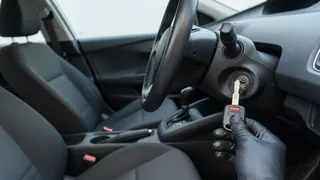
Vehicle Immobilizer System
A vehicle immobilizer system is the electronic gatekeeper between a key and the engine controller. When you turn the ignition or press the start button, the system checks a coded signal before allowing fuel and spark. Unlike a mechanical key alone, a vehicle immobilizer ties engine operation to a matched transponder, remote transmitter, or mobile authorization. That distinction matters for theft protection, key programming, proof of ownership, and roadside assistance. Understanding the basic handshake helps owners recognize normal behavior, diagnose no-start faults, and avoid unnecessary parts replacement.
Essential answer
A vehicle immobilizer system prevents the engine from running unless an authorized credential is recognized. Most systems embed a transponder inside the key or fob. The ignition switch or start button wakes up an antenna ring, which sends energy to the transponder. The transponder replies with a unique code that the immobilizer control module compares with stored values. If the code matches, the module grants permission for fuel delivery and ignition. If not, the engine may crank without starting or may be disabled entirely, depending on the design.
The scope goes beyond a simple kill switch because authorization includes both the physical key and an electronic identity check. Some vehicles use rolling codes that change after each start, while others support remote transmitter authentication or temporary mobile access. That broader definition explains why adding a spare key is not just cutting a new blade. Proper key programming registers the replacement credential with the vehicle immobilizer system. Since manufacturer-dependent implementations differ, a no-start symptom should be interpreted as evidence of a communication or authorization problem rather than automatic proof that a specific module has failed.