Vehicle Ground Clearance Regulations: What US Rules Actually Cover

The short answer
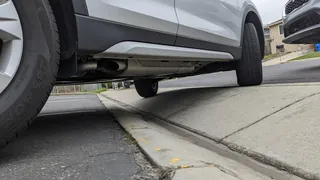
In the United States, ground clearance is not governed by one national rule that sets a minimum or maximum height for every vehicle. Ground clearance is the distance between level ground and the lowest point of a vehicle's underside. Federal standards shape vehicle height indirectly through requirements on components such as bumpers and lighting, and through how some vehicles are classified. Most limits that affect owners directly, especially for vehicles that have been lifted or lowered, come from state law, and those laws differ from state to state.
The most important qualification is whether the vehicle is in the condition it left the factory or has been modified. A new vehicle sold for road use has already been built to meet applicable federal standards. Changing its height afterward is where state rules on suspension, frame, bumper and headlamp height usually come into play.
What federal rules do and do not address
Federal motor vehicle safety standards apply mainly to manufacturers and to vehicles as originally built. Rather than stating a required ground clearance figure for ordinary passenger vehicles, they regulate items whose position depends on ride height, such as where bumpers must provide protection on passenger cars and where headlamps and other lighting must be mounted.
Ground clearance also appears in federal vehicle classification. For fuel economy purposes, some vehicles can qualify as light trucks partly by meeting off-highway capability criteria, which include clearance-related measurements such as running clearance and approach, breakover and departure angles. These criteria determine how a vehicle is categorized; they are not a road-legality limit for owners.
What state rules typically cover
States regulate vehicle height mostly through equipment and modification rules. Depending on the state, these rules may address:
Maximum bumper height, often with different limits by vehicle type or gross vehicle weight rating (GVWR, the maximum loaded weight the manufacturer specifies); Maximum frame height or overall lift for suspension and body modifications; Minimum height for lowered vehicles, sometimes expressed relative to the wheels or another reference point rather than to the ground; Headlamp and taillamp mounting height after a height change; Whether modified vehicles must pass a safety inspection, where the state runs an inspection program
Because states measure these limits from different reference points and set different values, a modification that is legal in one state may not be legal in another. No state-specific figures were available for this overview, so check the current vehicle code or the motor vehicle agency in the state where the vehicle is registered.
How regulations differ from the ground clearance spec
The ground clearance figure in a brochure or spec sheet is a manufacturer specification, not a legal threshold. There is no single industry-wide method for measuring it: the lowest point, the load condition and the tire size used can vary by manufacturer, and the figure can also change with model year, trim, wheel and tire package, or suspension option. Compare published clearance figures across brands with caution, and confirm the figure applies to the exact configuration you are considering.
State rules, by contrast, usually measure the vehicle as it actually sits on the road, often at specific points such as the bumper, frame or headlamps rather than the lowest point underneath.
Gaps and next steps
This overview covers general principles only. It does not include specific height limits, measurement procedures or penalties for any state, and laws can change. Before buying a lifted or lowered vehicle, or before modifying one, confirm the current rules with the state motor vehicle agency or state statutes. If the vehicle will be registered in a state with safety inspections, also confirm how inspectors check height-related equipment.