Vanagon Power Door Lock Actuator
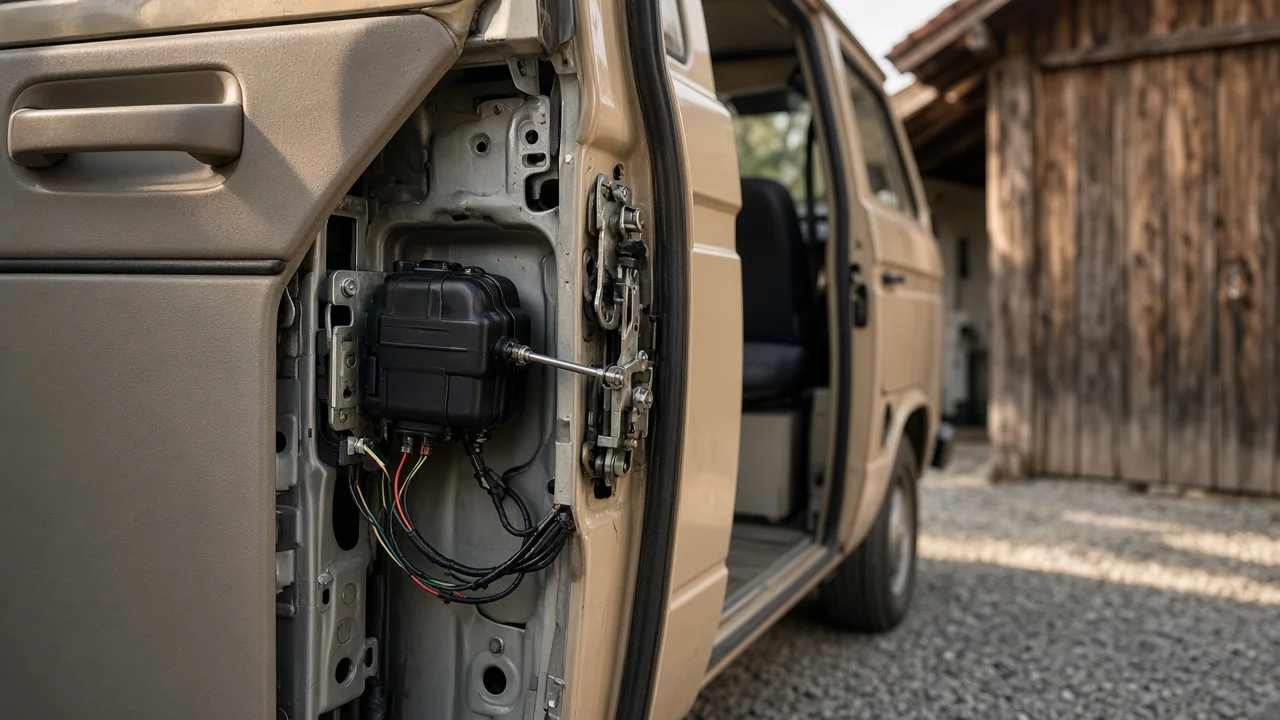
A power door lock actuator on a Vanagon is the small electric or vacuum-operated motor that moves the latch mechanism when a switch or key signal is sent. Owners usually notice a problem when one door refuses to lock, unlocks immediately, or makes a weak clicking sound. Because the Vanagon body has sliding-door geometry, weather seals, and aging wiring, the actuator works with alignment, hinges, struts, and latch adjustment more than a simple sedan lock would. Diagnosing the actuator means separating an electrical control issue from mechanical bind, a failed motor, or poor vehicle fitment in the door cavity.
Essential answer
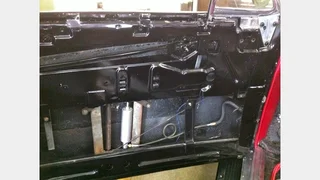
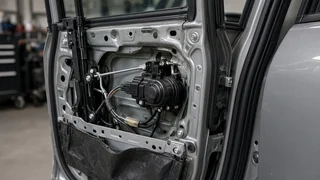
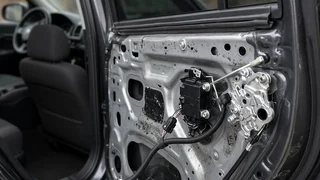
The Vanagon power door lock actuator is the component that converts an electrical or vacuum command into the push-pull motion needed to operate the door latch. When it works, the internal motor or diaphragm moves a rod or cable that rotates the latch and secures the door. When it fails, the door may stay locked, remain unlocked, or cycle without fully engaging. The actuator is not the same as the latch, hinge, or exterior handle, although all of these parts share the same door cavity and can imitate an actuator fault.
On a Vanagon, the sliding side door adds a practical qualification: actuator operation depends on door alignment and clean electrical contacts at the body opening. A door that closes hard against a worn weather seal or shifted striker can overload the actuator even if the motor is healthy. Likewise, a weak ground or corroded connector can reduce current so the actuator clicks without moving. For these reasons, the essential answer includes checking the actuator as part of a circuit and mechanical system rather than treating it as an isolated failed part.