Valvoline limited-slip gear oil
The short answer
Valvoline sells gear oils intended for differentials, and some of them are labeled as suitable for limited-slip use. Some are not. A gear oil is only right for a limited-slip differential if it meets three requirements from your vehicle maker: the viscosity grade, the performance rating, and the friction-modifier requirement. So the answer to whether a given Valvoline bottle will work depends on what its label states and what your vehicle's manual specifies. The brand name alone does not settle it.
The specific Valvoline products, viscosity grades and label wording available in your market were not part of the material this article is based on. Use the checks below against the actual bottle and your vehicle's documentation rather than assuming any particular product qualifies.
What "limited-slip" means for the oil
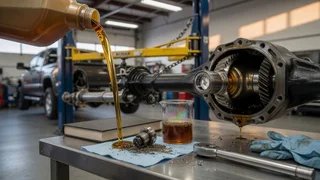
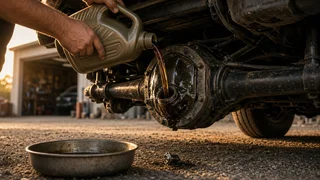
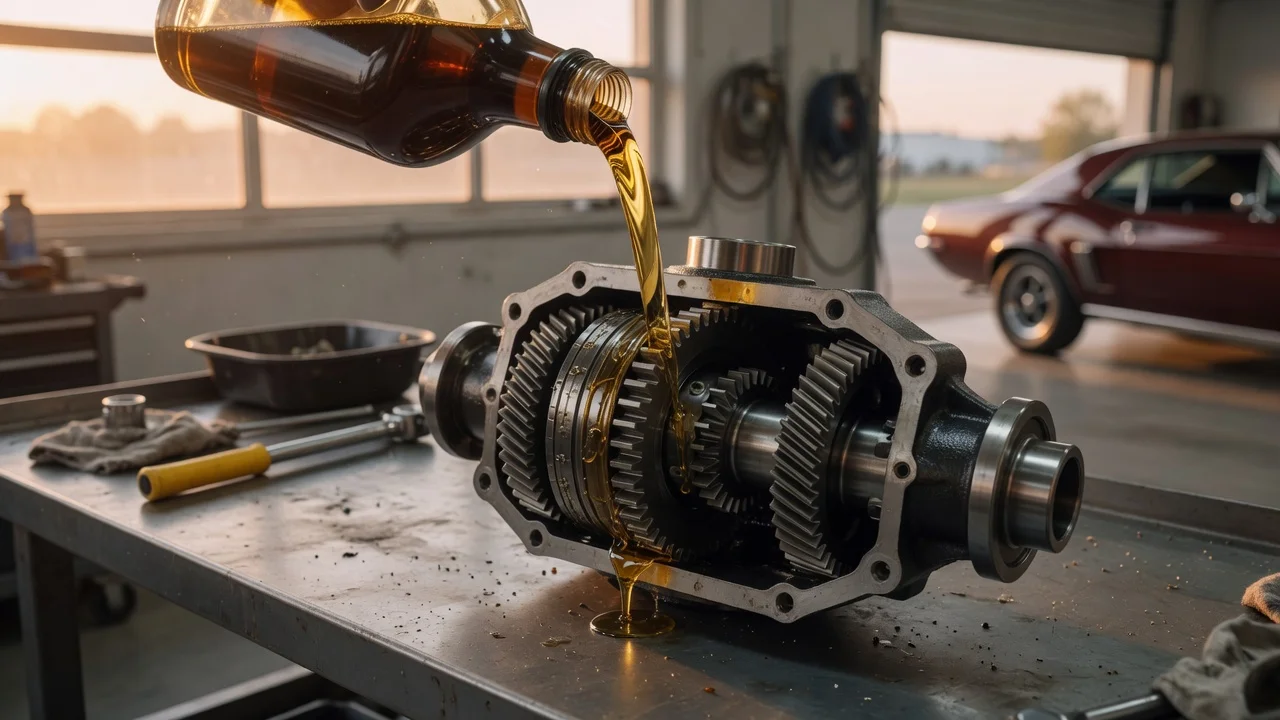
A limited-slip differential (LSD) limits how much one driven wheel can spin faster than the other. Many common designs do this with internal clutch packs. Those clutches need oil with the right friction behavior. If the oil lets them grab and release unevenly, the differential can chatter or shudder, especially in slow, tight turns. Gear oils made for these units contain a friction modifier, an additive that smooths clutch engagement. It may be blended into the oil or sold as a separate additive.
Not every limited-slip design uses clutches. Some gear-type units work differently and may have different fluid requirements. Your manual or the differential manufacturer's guidance is the authority here. This matters most with aftermarket differentials, whose maker may specify a fluid that differs from the original factory recommendation.
What to check before buying
Viscosity grade: match the grade listed for your axle, such as a 75W- or 80W- multigrade. The grade can differ by model year, axle type, towing package or climate. Performance rating: confirm the API category your manual calls for. GL-5 is typical for hypoid differentials. Do not substitute a GL-5 oil where a manual specifies GL-4 only, which can apply to some manual transmissions and transaxles. Limited-slip wording: look for an explicit statement that the oil is suitable for limited-slip differentials or already contains a limited-slip friction modifier. Factory or OEM specification: some manufacturers list their own fluid specification for limited-slip axles. Check whether the label claims to meet it. Separate additive instruction: some vehicle makers tell you to add a specific friction modifier even when using a limited-slip-rated oil. Follow the manual's quantity and product guidance.
When the answer changes
The same model name can have different axles depending on model year, trim, drivetrain (two-wheel or four-wheel drive) and options. As a result, two vehicles that look alike may need different gear oil or additive instructions. Front and rear differentials on the same four-wheel-drive vehicle can also have different requirements, as can a transfer case. If your vehicle has an electronically controlled or clutch-pack rear differential, the manufacturer may require a dedicated fluid. A general limited-slip gear oil may not be an approved substitute.
If you cannot confirm the axle type from the manual, the axle tag or the build information is the usual way to identify it. A dealer service department can also look it up by VIN. This is better than guessing from the model name.
Choosing your next step
Start with your owner's manual or service information and note the viscosity, API rating and any limited-slip or friction-modifier instruction. Then compare those requirements with the wording on the Valvoline bottle you are considering. If the label clearly states limited-slip suitability and matches the grade and rating, it fits the stated requirement. If the label is silent on limited-slip use, treat it as unconfirmed. In that case, choose a product that states it, or plan to add the friction modifier your manufacturer specifies. If chatter appears after a fluid change, the friction modifier is a common first thing to review with a technician.