UTV Wheel Offset Explained, With Chart
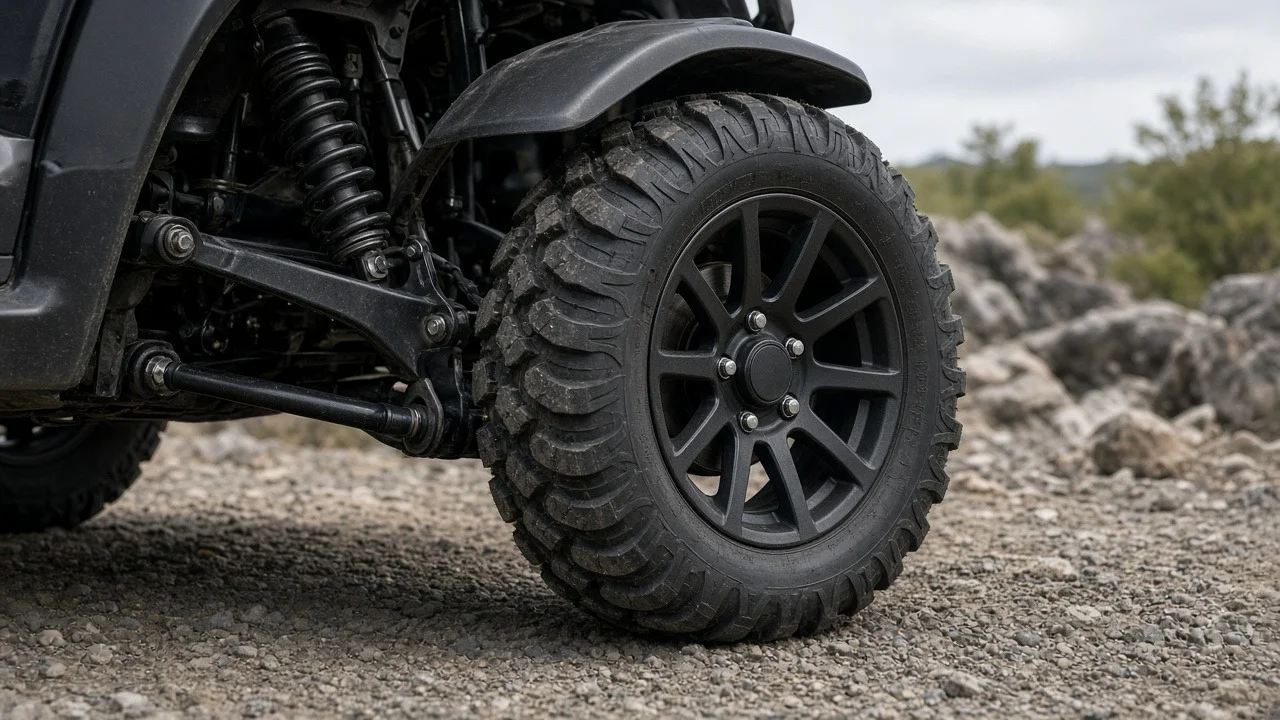
A side-by-side’s wheel offset is the distance between the wheel’s mounting face and the centerline of the rim, and it changes where the tire sits under the fender. Understanding this measurement helps owners evaluate whether a new wheel will clear suspension parts, alter steering feel, or change track width. The subject includes terms such as positive offset, negative offset, and zero offset. A utv wheel offset chart or utv wheel offset calculator can make the relationship easier to visualize, but the basic idea comes from rim width and hub placement. Once explained, offset becomes a practical tool for comparing wheels rather than an abstract specification.
Essential answer
Wheel offset describes how far the mounting face of the wheel sits from the rim’s centerline. When the mounting face is closer to the outside of the rim, the wheel has positive offset and tucks more of its width inward. When the mounting face is closer to the inside, the wheel has negative offset and pushes the tire outward. Zero offset puts the mounting surface at the centerline. This one value helps explain why the same rim width can fit differently on a UTV once the wheel’s backspacing, or distance from the mounting face to the inner lip, changes along with the offset.
The utv wheel offset chart is used because offset numbers are not intuitive by themselves. A chart can place different offset values next to the resulting track width, fender clearance, and how much the wheel protrudes past the hub. The chart is a comparison aid rather than a guaranteed fitment tool. Bolt pattern and hub diameter still matter, while suspension movement, steering angle, and tire diameter affect whether a particular offset actually clears the machine’s components. For that reason, offset should be considered together with rim diameter, rim width, and tire compatibility rather than treated as the only wheel dimension that matters.