ATV wheel offset: explanation, chart and calculator
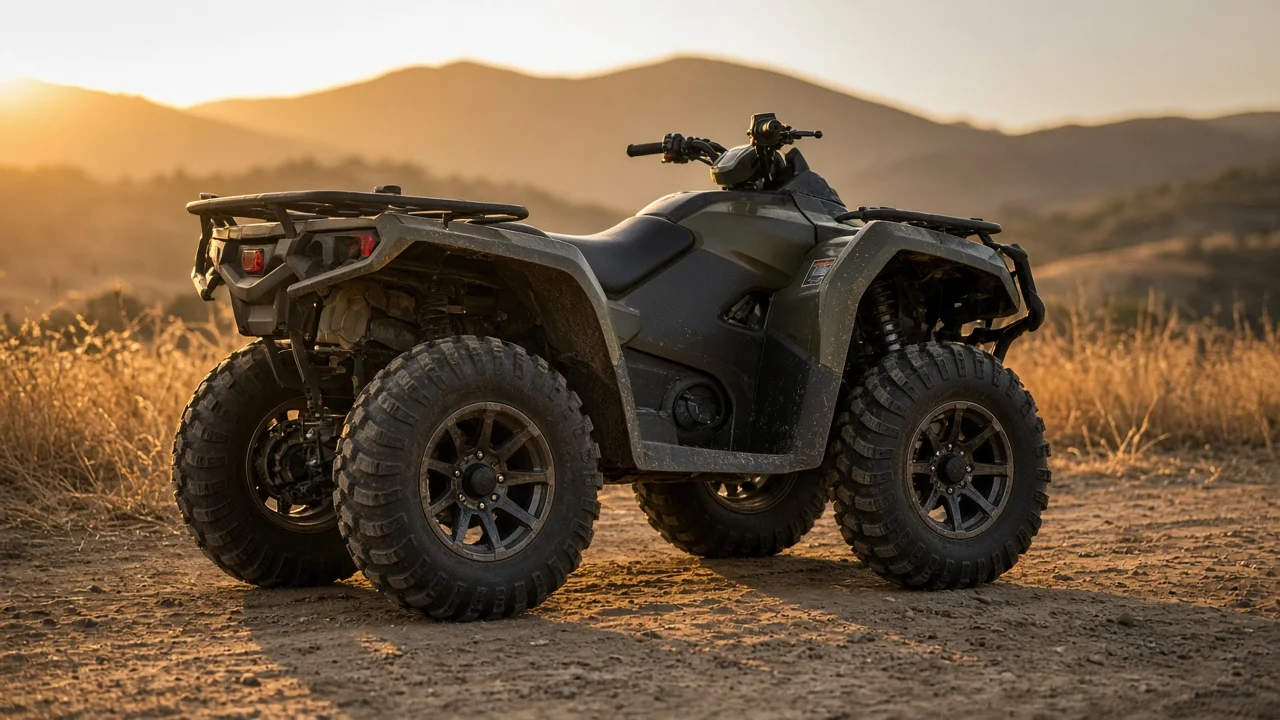
ATV wheel offset is a measurement that determines where the wheel's mounting face sits relative to the rim's centerline, and it changes how far the tire and wheel assembly sits inward or outward. Riders looking at an ATV wheel offset chart or using an ATV wheel offset calculator are usually comparing clearance, stance, and steering behavior. Understanding this dimension helps avoid tire rub against suspension components, fenders, or frame members, and it matters when changing rim width or moving to a different machine such as a Brute Force 750.
Essential answer
Wheel offset describes the relationship between the flat mounting surface that contacts the hub and the imaginary line running through the middle of the rim width. Zero offset places the mounting face exactly on that centerline. Negative offset pushes the mounting face inward, which moves the tire and wheel outward from the chassis and creates a wider stance. Positive offset does the opposite, pulling the assembly toward the vehicle.
The ATV wheel offset chart is a reference that converts offset values into a quick visual understanding of how far a wheel moves. Offset is not the only wheel dimension, and the chart only works when rim width is considered. Two wheels with the same offset but different rim widths can position the tire sidewall differently, so the chart should be read together with rim diameter, rim width, and bolt pattern rather than as a standalone fitment answer.
How it works
On an ATV, offset works by moving the wheel's rotational center relative to the steering pivot and suspension geometry. When negative offset increases track width, the tire's contact patch sits farther from the pivot line. That can alter steering feel, increase scrub radius, and change how bumps feed through the handlebar. The wider spacing can improve stability, but it also adds leverage on suspension and steering parts.
Changes in offset also affect clearance in different ways depending on direction. A wheel pushed outward may clear a brake caliper or steering knuckle but crowd the fender at full suspension travel. A wheel tucked inward can contact a tie rod or spring. Because offset shifts the entire rim and tire assembly, the practical effect depends on the machine's static alignment and on how the suspension arcs through its travel.
Strengths, limitations and suitability
A modest negative offset is often desirable for riders who want predictable cornering and extra clearance around inner chassis parts. The wider footprint can feel planted on side hills and rutted trails, especially on heavier machines. However, the same outward movement can make steering heavier, increase bump steer or feedback, and load wheel bearings and ball joints differently than the factory design intended.
Offset suitability also depends on tire compatibility. Taller or wider tires magnify clearance problems, and an offset that works with a stock tire may not work with an aggressive mud or trail tire. Riders checking a Brute Force 750 wheel offset should compare the measured distance on the stock wheel rather than assuming a universal aftermarket value. Manufacturer-dependent fitment, fender shape, and suspension travel all constrain how much offset change remains safe.
Procedure
To use an ATV wheel offset calculator or chart, first identify the wheel's mounting surface and its true centerline using the advertised rim width. Measure or record the offset as the distance between those two planes, noting whether the mounting face is inward or outward from center. Then compare that value with the stock wheel measured the same way, because direction matters as much as the number.
When comparing two setups, use the backspacing dimension as a useful companion. Backspacing is measured from the mounting face to the inboard rim edge and helps predict inner clearance. After calculating the offset and backspacing, check the available space at the steering knuckle, brake line routing, and fender at both full lock and compressed suspension. A trial fit without the tire mounted can reveal contact points before final installation.
Diagnosing a problem
A symptom that often points to offset problems is tire rubbing only at full steering lock or when the suspension compresses. If the rub mark is on the inner sidewall or tread shoulder, the wheel may sit too far inward. If the outer edge catches the fender flare, the assembly may be moved too far outward, or the tire section width is larger than the clearance envelope allows.
Another observable check is inconsistent handling. An ATV that tracks straight but feels twitchy over ruts, or one that pulls under hard acceleration, may have a wheel offset that is different side to side or poorly matched to the steering geometry. Measuring the assembled offset, rim width, and tire centerline on both sides can identify a mismatch. Any bent wheel or off-center mounting should be corrected if the offset difference creates contact with brake, suspension, or steering parts.