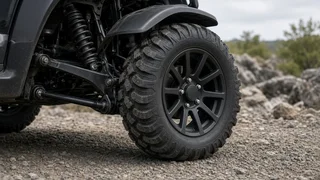
SxS/UTV Wheel Offset Explained
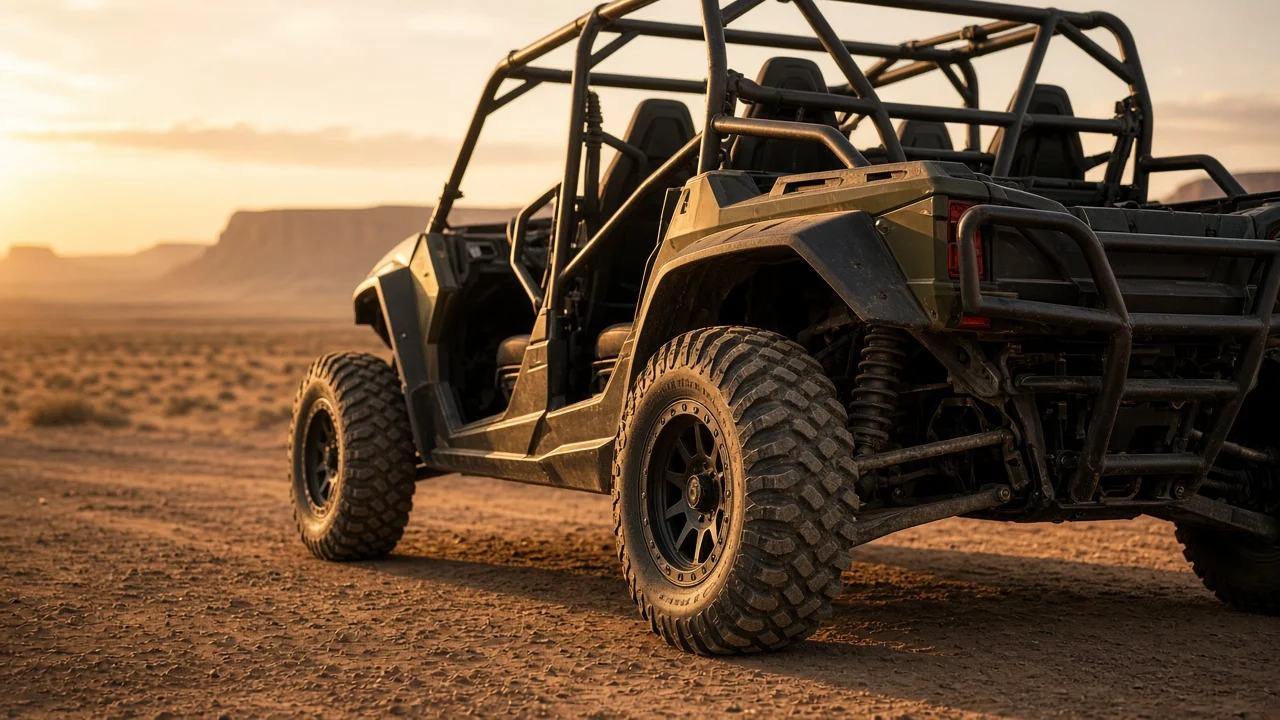
Wheel offset on a side-by-side or UTV is the distance between the wheel's mounting face and the true centerline of the rim. Offset is usually expressed in millimeters and can be positive, negative, or zero. Understanding this measurement helps you predict how a wheel change affects stance, steering feel, suspension clearance, and tire fitment. Because UTVs often use different offsets for the front and rear, the same tire size can behave differently depending on the wheel position and rim width.
Essential answer
Wheel offset describes where the mounting surface sits relative to the rim's centerline. A zero offset means the mounting face is exactly centered. Positive offset places the mounting face toward the outside of the wheel, pulling the tire inward. Negative offset moves the mounting face inward, pushing the tire and rim outward. On a UTV, this outward movement widens the track but also increases the leverage the tire places on suspension components and steering.
Offset is closely related to rim width and rim diameter, but it is not the same measurement. The same offset on a wider rim can still change where the tire sits because the extra width may be distributed unevenly around the centerline. Before choosing wheels, consider offset together with rim width, bolt pattern, and tire compatibility. This combined view helps predict clearance changes around the fenders, suspension arms, and steering knuckles.