Used Nissan March: What US Buyers Should Check Before Buying

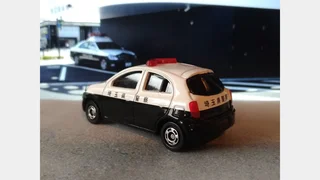
If you are looking for a Nissan March used car in the United States, the most important fact comes first: Nissan never sold the March new in the US. The March is the name used in Japan and several other markets, including Mexico, for the small hatchback sold in Europe and Canada as the Micra. Any March you find for sale in the US is almost certainly a private import. Whether it is a sensible purchase depends mainly on whether it was imported legally, whether it can be titled and registered in your state, and whether you can live with parts and service that sit outside Nissan's normal US network. If what you really want is a small, economical Nissan without import complications, the US-market Versa and Versa Note are the closest factory alternatives. The rest of this guide is for readers who specifically want a March and need to know what to check.
Why the Model Year Decides Almost Everything
Cars built for other markets generally do not meet US federal safety and emissions standards. Federal rules allow a vehicle to be imported without meeting those standards once it is at least 25 years old, counted from its month of manufacture. A newer foreign-market car usually cannot be legally imported for road use unless it goes through a costly compliance process, which is rarely practical for an economy hatchback.
For the March, this means older generations, such as the K10 and the K11 built through the 1990s and into the early 2000s, are the ones most likely to be legally eligible. The following K12 generation only begins to reach the 25-year threshold from 2027 onward, car by car, according to each vehicle's build date. Later generations, including the March sold new in Mexico, are generally not eligible for US road registration. A newer March offered in the US should be treated with strong suspicion unless the seller can document a lawful path.
A related case is the Canadian-market Micra sold in Canada in the late 2010s. Being left-hand drive and sold in North America does not make it US-legal. Cars from Canada still need to be certified as compliant with US standards to be imported, so confirm eligibility before assuming a Canadian car can cross the border and be registered.
Paperwork to Verify Before Anything Else
With an imported car, the documents matter as much as the mechanical condition. A great-looking March with incomplete import records can become an expensive problem if your state refuses to title it.
US title or a clear path to one: ask whether the car is already titled in a US state, and in whose name. Customs entry records showing the car was formally imported. The federal import declaration forms for safety and emissions, typically filed by the importer at entry. The foreign export or deregistration certificate, which for a Japanese car shows its original registration and is often used to confirm the build date. A bill of sale chain from the importer to the current seller. A chassis number that matches every document and the plate on the car itself.
Japanese-market cars often use a chassis or frame number rather than the standard 17-character VIN used in the US. That is normal for older JDM cars, but it means the number needs to match the paperwork exactly, and some state agencies handle these numbers differently. Calling your state's motor vehicle agency before you buy, with the chassis number and import documents in hand, is the most reliable way to avoid surprises.
State Registration and Emissions Rules
The federal 25-year exemption does not override state rules. Some states, California being the best-known example, apply their own emissions requirements that can make registering a gray-market import difficult or impractical. Other states may require a VIN verification, a safety inspection or extra documentation for vehicles without a standard VIN. Confirm your own state's requirements before committing, especially if the car is located elsewhere and has never been registered in your state.
Vehicle History and Mileage
US vehicle history reports usually cover only the time a car has spent in the US, so the earlier part of an imported March's life may be invisible in those reports. For cars that came through Japanese auctions, the auction sheet is often the best record of condition at the time of export. It typically includes a grade, a mileage reading and a simple diagram marking scratches, dents, rust or repairs. If the seller has the original sheet, ask for it; a professional translation is worth having if you cannot read it.
Mileage needs extra care. Japanese-market cars read in kilometers, not miles, so make sure everyone involved, including the seller, the title and your insurer, is describing the same figure in the same unit. Compare the odometer reading against the auction sheet, the export certificate and any service records. Inconsistencies are a reason to slow down. Worn pedals, steering wheel and seat bolsters that look out of step with a low reading are also worth questioning.
Condition: What to Look For
An older March is a small, simple car, but it is also decades old. Age-related wear usually matters more than the badge.
Rust: check the sills, wheel arches, floor pan, rear hatch area, suspension mounts and around the windshield. Cars from snowy regions of Japan may have seen road salt. Cooling system: hoses, radiator and water pump on any older engine deserve attention, since overheating can damage an aluminum cylinder head. Timing components and oil leaks: ask what has been replaced and when, and look for leaks around valve covers and seals. Transmission: older Marches were offered with manual, conventional automatic and, on some versions, a CVT. A slipping or shuddering automatic or CVT can be costly to fix or source parts for. Suspension and steering: worn bushings, shocks and steering components are common on high-mileage small cars. Electrical items: windows, lights, gauges and air conditioning, which can be tedious to repair on an import. Interior and glass: sun damage, cracked dashboards and windshield chips.
Right-Hand Drive and Everyday Usability
Most Japanese-market Marches are right-hand drive. It is legal to drive a right-hand-drive car in the US, but it affects visibility when overtaking, using drive-throughs, toll booths and parking garages, and pulling out of junctions. Take a long test drive on the kinds of roads you normally use before deciding whether it suits daily driving. Ask also whether the radio, navigation or other electronics are Japanese-market units, since they may not work properly with US frequencies or services.
Trim Levels and Variants
The March was sold in many trim levels and special editions in Japan, with different engines, transmissions and equipment. Trim names do not always map neatly onto the Micra versions sold in Europe, so do not assume equipment or specifications based on the name alone. Identify the car by its chassis code, engine code and build date, then confirm features by inspecting the car itself. This also matters for parts: the correct brake, filter or suspension component depends on the exact engine and transmission fitted.
Getting an Independent Inspection
A pre-purchase inspection is especially valuable with an import. Ideally choose a shop familiar with Japanese-market cars, since a general shop may not have experience with the parts and quirks involved. Ask them to check for rust and accident repair, run a compression or leak-down test if the engine history is unclear, inspect the transmission, and confirm that the chassis number matches the documents. If you are buying remotely, a mobile inspection service in the seller's area can be a reasonable substitute.
Ownership Costs to Budget For
Fuel costs for a small hatchback are usually modest, but other ownership costs can be higher than for a comparable US-market car.
Parts: routine service items may be available through import specialists or by matching European or other-market Micra parts, but body panels, trim and some transmission parts can take time to source from overseas. Shipping and lead times: waiting for parts can leave the car off the road longer than a domestic model. Insurance: some insurers handle right-hand-drive or gray-market cars differently, and some may suggest collector or classic policies with usage limits. Get a quote using the actual chassis number before you buy. Repairs: a shop comfortable with older imports may charge more or have a waiting list. Resale: the buyer pool for an imported March is smaller than for mainstream used cars, which can affect how quickly you can sell it.
Comparable Vehicles to Consider
If your goal is simply affordable, efficient transportation, comparing a few alternatives can help clarify whether the March is the right choice.
Option | Why consider it | Main trade-off; Imported Nissan March (25+ years old) | Distinctive, compact, simple mechanically | Import paperwork, right-hand drive, parts sourcing; Nissan Versa or Versa Note | Sold new in the US, dealer support, standard VIN and history reports | Less unusual, larger than an older March; Other US-market subcompacts from Japanese or Korean brands | Easy registration, wide parts availability, comparable running costs | No import character or JDM appeal
A Practical Buying Sequence
Confirm the build date and that the car is at least 25 years old. Check the import documents and existing US title. Call your state's motor vehicle agency to confirm it can be titled and registered. Get an insurance quote using the chassis number. Review the auction sheet, service records and mileage for consistency. Arrange an independent inspection, ideally by a shop experienced with Japanese imports. Identify sources for common parts before you buy. Only then negotiate, factoring in any repairs found during inspection.
A used Nissan March can be a charming and practical small car, but in the US it is a specialist purchase rather than a typical used-car decision. Getting the paperwork, registration and inspection right before you pay protects you far more than any single mechanical check.