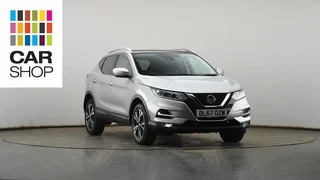
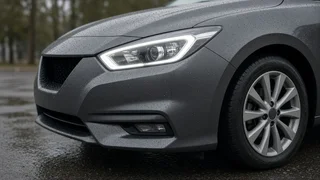
Nissan March
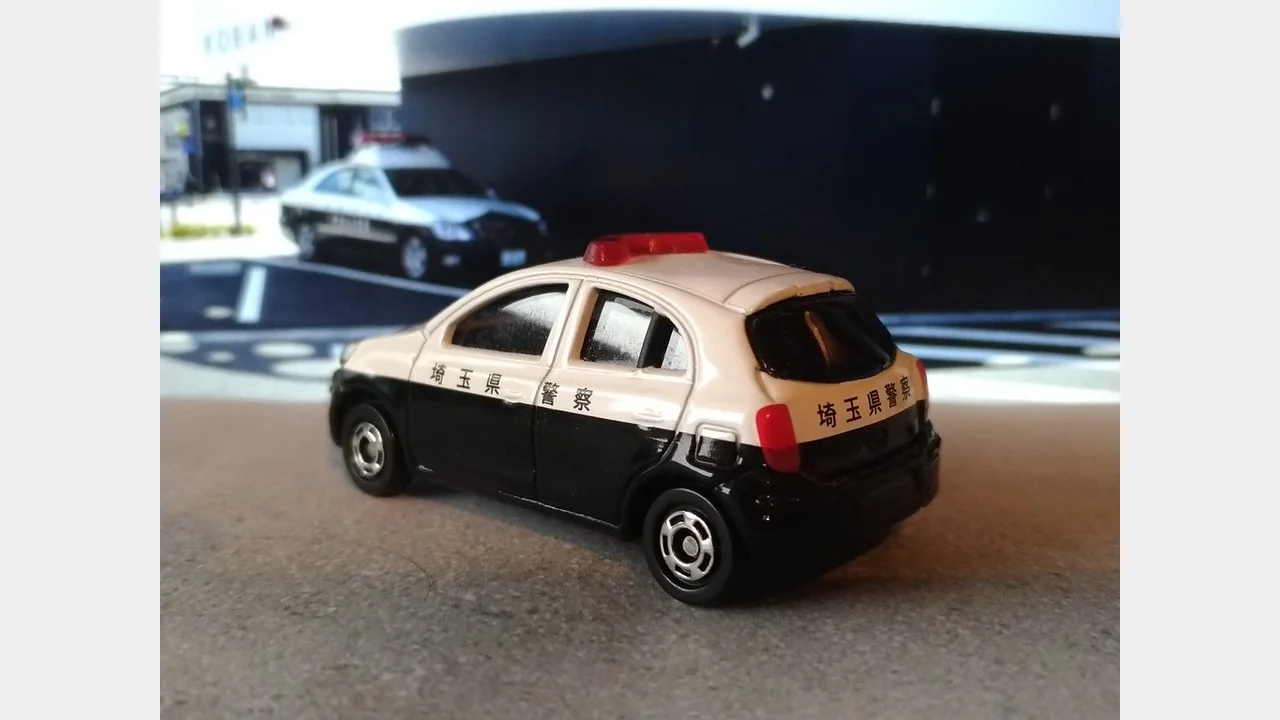
The Nissan March is a subcompact hatchback built around easy urban maneuverability, modest operating costs, and straightforward packaging. American shoppers most often meet it through imported used examples, overseas listings, or comparisons with Nissan's global small-car platforms. Because the same basic vehicle can wear different names and receive different equipment depending on where it was sold, a single badge is not enough to judge a specific car. Model generation, trim level, body style, powertrain configuration, and market specification all shape what a particular March offers, making the model's context as important as its nameplate.
Essential answer
The Nissan March car is a city-focused subcompact hatchback developed primarily for regions where short overall length, light weight, and low fuel consumption matter more than highway size or high output. Its identity is not fixed; the car has evolved through several model generations, with changes to interior layout, safety equipment, and available powertrains. A model year from one decade may share only the basic body style with a later example, and trim level further divides versions by comfort features, wheel designs, and driver aids. Approaching the March as one uniform vehicle therefore misses the distinctions that actually matter to an owner.
For a US reader, the essential qualification is market specification. Examples sold in Japan, Latin America, or other regions can differ in lighting, emissions controls, instrument displays, and crash structure details. Even the name itself varies, with closely related Nissan models appearing under different badges in overseas markets. Body style has generally remained a three- or five-door hatchback, but powertrain configuration ranges across naturally aspirated small-displacement engines and manual or automatic transmissions depending on generation and destination. Before drawing conclusions about performance, reliability, or parts availability, the specific generation and country of origin must be confirmed.