Two-Seater Japanese Cars: What Counts, Key Models and How They Differ
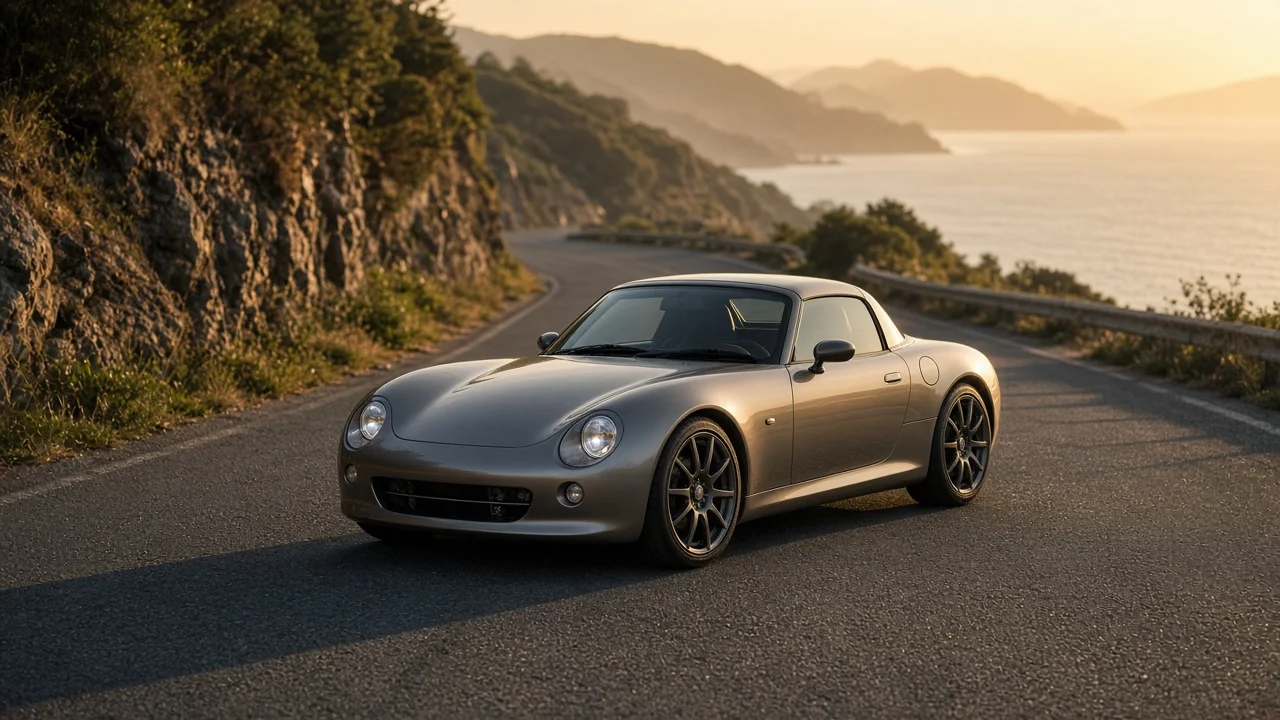
A 2 seater Japanese car is a vehicle from a Japanese manufacturer, such as Mazda, Toyota, Nissan, Honda, Acura or Lexus, built with seating for only a driver and one passenger. In practice, most of these cars are sports cars or roadsters, because removing the rear seats lets engineers keep the car short, light and low. The direct answer to which ones matter most in the US today is short: the Mazda MX-5 Miata is the best-known current example, and the Toyota GR Supra and Nissan Z have been the main two-seat coupes. Beyond that, the field is mostly used and classic models, plus Japan-only small cars that can only reach the US through older-vehicle import rules. One qualification changes the answer more than any other: not every small Japanese sports car is a true two-seater. Several popular coupes have a small rear bench, which makes them 2+2 cars rather than two-seaters. Availability also depends on model year and market, so a model sold new in one year may be discontinued or unavailable in the US in another.
Two-Seater vs 2+2: Why the Distinction Matters
Body configuration describes how a car's cabin and roof are laid out. A true two-seater has no rear seats at all; the space behind the front seats is used for the engine, a small parcel shelf, a folding roof mechanism or luggage. A 2+2 has two full front seats and two small rear seats that are usually suitable only for children, short trips or extra cargo.
This matters for shoppers because it affects practicality, insurance classification in some cases, and whether a car can serve as an occasional family vehicle. The Toyota GR86 and its sibling the Subaru BRZ, for example, are often grouped with Japanese sports cars, but they are 2+2 coupes. The Lexus LC is a luxury grand tourer with a small rear seat rather than a strict two-seater. Older models also vary by generation and market: some versions of the Mazda RX-7 and Nissan Z-car line were offered in both two-seat and 2+2 forms, so the model name alone does not always settle the question.
Main Two-Seater Japanese Cars in the US Market
The table below summarizes the best-known two-seaters from Japanese brands that have been sold new in the US in recent years. Exact engines, transmissions, trims and pricing change by model year, so treat this as an orientation rather than a specification sheet.
Model | Body configuration | Market segment | General character; Mazda MX-5 Miata (soft top) | Front-engine, rear-drive convertible roadster | Affordable sports car | Light, compact, focused on handling and open-air driving; Mazda MX-5 Miata RF | Front-engine, rear-drive roadster with power-retractable hardtop | Affordable sports car | Same basic layout with a fastback-style roof and more coupe-like feel when closed; Toyota GR Supra | Front-engine, rear-drive coupe | Performance sports car | Co-developed with BMW and sharing its platform with the BMW Z4; turbocharged powertrains; Nissan Z | Front-engine, rear-drive coupe | Performance sports car | Successor to the 370Z; twin-turbo V6 with manual or automatic availability depending on year and trim; Acura NSX (second generation) | Mid-engine, all-wheel-drive hybrid coupe | Exotic / supercar | Now discontinued; available only used
Mazda MX-5 Miata
The MX-5 Miata is the reference point for Japanese two-seaters and one of the most widely known roadsters of any origin. Across its generations, Mazda has kept the formula consistent: a small front-mounted four-cylinder engine, rear-wheel drive, low weight and a manual transmission available alongside an automatic. Buyers mainly choose between the fabric soft top, which is simpler and lighter, and the RF, which trades some simplicity for a hard roof panel and a quieter closed cabin. Equipment levels range from relatively basic trims to better-equipped versions with upgraded suspension, brakes or interior features, depending on the model year.
Earlier generations, often referred to by internal codes such as NA, NB, NC and ND, are common on the used market and are a frequent entry point for enthusiasts. The Fiat 124 Spider sold in the US for several years was built by Mazda on the MX-5 platform but used a Fiat engine and different styling; it is mechanically related but marketed as an Italian-brand car.
Toyota GR Supra
The current Supra generation revived the name as a strict two-seat coupe, unlike some earlier Supra generations that had rear seats. It was developed jointly with BMW, and its engines come from BMW. Powertrain options have included a turbocharged four-cylinder and a turbocharged inline-six, with manual transmission availability added on some six-cylinder versions in later model years. Because the Supra's lineup and production status have been subject to change, shoppers should confirm what is offered for the specific model year they are considering.
Nissan Z and Earlier Z Cars
The current Nissan Z is a two-seat, rear-drive coupe with a twin-turbocharged V6, offered with manual or automatic transmissions depending on trim and year. Its predecessors, the 350Z and 370Z, were also two-seaters and were sold in both coupe and roadster body styles, which makes them common used alternatives. Older Z-car generations varied: some offered a 2+2 body alongside the two-seat version, so checking the specific car is important when shopping classics.
Discontinued Two-Seaters Worth Knowing
Many of the most admired two-seater Japanese cars are no longer produced and exist only on the used and collector markets. Prices and condition vary widely, and some have become expensive as interest in Japanese performance cars has grown.
Honda S2000 – a front-engine, rear-drive roadster known for a high-revving four-cylinder engine and manual-only transmission. Toyota MR2 – a mid-engine two-seater sold across several generations, evolving from a small coupe to a larger coupe and finally a lightweight roadster (MR2 Spyder in the US). Acura NSX – both the original mid-engine coupe and the later hybrid all-wheel-drive version are two-seaters aimed at the exotic segment. Mazda RX-7 – a rotary-engine sports car; the final generation sold in the US was a two-seater, while some earlier versions offered small rear seats in certain markets. Nissan 350Z and 370Z – two-seat coupes and roadsters that preceded the current Z. Honda CR-X – a compact front-drive two-seat hatchback, more economy-and-handling focused than outright fast. Lexus LFA – a limited-production two-seat supercar that is rare and primarily a collector vehicle. Honda Del Sol – a front-drive two-seater with a removable roof panel, related to the Civic of its era.
Japan-Only Kei Two-Seaters and US Import Rules
Japan has a vehicle class called kei cars, which are limited in size and engine displacement and receive tax and registration advantages at home. Several kei models are tiny two-seat sports cars, including the Honda Beat, Honda S660, Suzuki Cappuccino, Daihatsu Copen and Autozam AZ-1. These were not sold new in the US. Kei trucks, which also typically seat two, are a separate utility category.
Regional availability is the main limitation here. Vehicles that were never certified for US federal safety and emissions standards can generally be imported only once they are at least 25 years old, under the exemption for older vehicles. Even then, state registration rules differ, and some states restrict road use of kei vehicles. Newer kei models such as the S660 are therefore not legal to import for normal road use until they reach that age. Anyone considering a kei two-seater should check both federal eligibility and their own state's registration requirements before buying.
How Two-Seater Japanese Cars Differ From Each Other
Although they share a seating layout, 2 seater Japanese cars cover very different purposes. The useful ways to compare them are engine placement, roof type, performance level and intended use.
Engine placement: most current models are front-engine and rear-drive, which balances handling with everyday usability. Mid-engine cars such as the MR2 and NSX place the engine behind the seats for different handling characteristics, usually with less luggage space. Roof type: roadsters like the MX-5 and S2000 have folding or removable roofs; coupes like the Supra and Z have fixed roofs that generally offer more rigidity and a quieter cabin. Powertrain options: choices range from small naturally aspirated four-cylinders to turbocharged sixes, rotary engines and hybrid systems, depending on model and generation. Market segment: the MX-5 targets affordable fun; the Supra and Z sit in the performance segment; the NSX and LFA are exotic or collector cars. Transmission: manual availability is a priority for many buyers and varies by model, trim and model year.
Ownership Considerations
Two-seaters are usually second cars or enthusiast purchases, so it helps to be realistic about daily use. Cargo space is limited, especially in roadsters with folding tops, and there is no room for a third person or a child seat. Insurance costs for sports cars can be higher than for comparable sedans, and the difference depends on the driver, location and model, so getting quotes before buying is sensible.
For used and older examples, condition matters more than the model name. Common points to check include rust, convertible top or seal condition on roadsters, evidence of track use or modifications, and maintenance history. Rotary-engine cars and older mid-engine models may have specialized maintenance needs, and parts availability differs between models that sold in large numbers and rarer ones. A pre-purchase inspection by a mechanic familiar with the specific model is a reasonable step for any enthusiast car.
Choosing the Right Two-Seater
If you want a new car with open-air driving, low running weight and a manageable price, the MX-5 Miata is the most straightforward choice among Japanese two-seaters. If you want more power and a closed coupe, the GR Supra and Nissan Z are the main candidates, provided they are offered for the model year you are shopping. If you are drawn to a specific character, such as a high-revving roadster, a mid-engine layout or a rotary engine, the used market offers the S2000, MR2, NSX and RX-7, each with its own ownership demands. Japan-only kei two-seaters suit buyers who value novelty and small size and are prepared to handle import and registration rules. Finally, if you occasionally need rear seats, consider a 2+2 such as the GR86 instead of a strict two-seater.