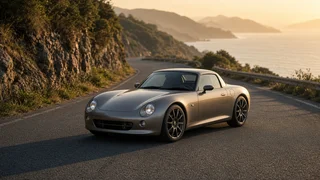
Sports Car Models: What Counts as a Sports Car and How the Main Types Differ
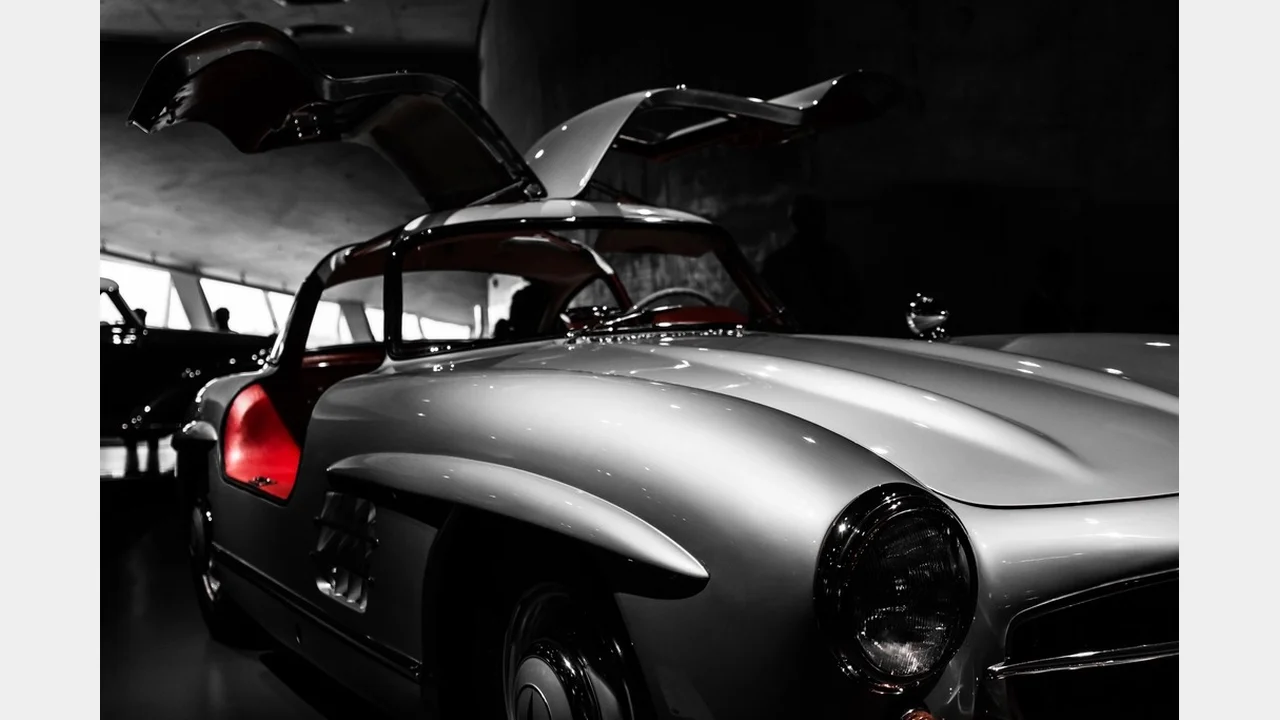
A sports car model is a vehicle designed mainly for driving engagement rather than maximum practicality. That usually means responsive steering, a low seating position, a chassis tuned for cornering, and a body built around two seats or a small rear seat. The term has no single legal or industry definition, though. One manufacturer's "sporty" coupe may be another buyer's commuter car, and a performance version of a compact sedan or hatchback can outperform a traditional sports car while keeping four doors. The useful answer, then, is that sports car models fall into several recognizable types. Any comparison between them only holds once you pin down the specific generation, model year, trim level and powertrain.
What Usually Defines a Sports Car
Most vehicles described as sports cars share a set of design priorities. No single trait is required, but the more of these a car has, the more firmly it sits in the category.
Purpose-built platform: the chassis is designed for the sports car itself rather than adapted from a family car, although some well-regarded models share parts with other vehicles. Low, compact body: a low roofline and center of gravity help the car resist body roll in corners. Limited seating: typically two seats, or a 2+2 layout with small rear seats suited to occasional use. Driver-focused layout: a low seating position, supportive seats and controls placed for active driving. Performance-oriented drivetrain: often rear-wheel drive or a performance all-wheel-drive system, though front-wheel-drive performance cars also exist. Handling over comfort: suspension tuning, tires and brakes that favor control and feedback, sometimes at the expense of ride quality and cargo space.
Main Types of Sports Car Models
Body style and intended use are the clearest ways to separate sports car models. The categories below overlap, and manufacturers' marketing labels don't always match them.
Type | Typical body style | Seating | Main priority | Typical trade-off; Roadster / convertible sports car | Open two-door, soft or folding hard top | Two seats | Light weight, open-air driving, agility | Little cargo space; open bodies can be less rigid; Sports coupe | Fixed-roof two-door | Two seats or 2+2 | Balance of handling, structure and everyday usability | Rear seats, if any, are small; Sport compact / hot hatch / sport sedan | Performance version of a compact hatchback or sedan | Four to five seats | Performance with daily practicality | Usually based on a mass-market platform rather than a dedicated chassis; Muscle and pony cars | Two-door coupe or convertible | 2+2 or four seats | Straight-line performance and character | Often larger and heavier than lightweight sports cars; Grand tourer (GT) | Coupe or convertible | Two seats or 2+2 | Speed combined with long-distance comfort | More weight and cost than a pure sports car; Supercar / exotic | Low coupe or convertible, often mid-engine | Two seats | Maximum performance and design impact | High purchase and running costs, limited practicality
Roadsters
A roadster is a small, open two-seater, and it's the classic image of a sports car. Lightweight roadsters such as the Mazda MX-5 Miata rely on low mass and balanced handling rather than high power output. Removing a fixed roof can reduce body stiffness, so manufacturers often add structural reinforcement. That's one reason a roadster and a coupe built on similar underpinnings can feel different on the road.
Sports Coupes
A sports coupe has a fixed roof and two doors, either as a strict two-seater or with a small rear seat (2+2). The Toyota GR86 and Subaru BRZ are examples of affordable rear-drive coupes. The Porsche 911 represents a long-running premium coupe line offered in many variants. Coupes generally give a stiffer structure and a little more everyday usability than roadsters.
Sport Compacts, Hot Hatches and Sport Sedans
These are performance versions of ordinary compact hatchbacks and sedans, with upgraded engines, suspension, brakes and styling. Examples include performance trims of the Volkswagen Golf (GTI and R) and Honda Civic (Si and Type R). Strictly speaking, they aren't sports cars in the traditional sense, because they keep the practicality of the base model: rear doors, usable rear seats and a real cargo area. Many shoppers still cross-shop them against sports coupes because they can deliver comparable driving enjoyment with fewer compromises.
Muscle Cars, Pony Cars and Front-Engine Performance Models
In the US market, models such as the Ford Mustang sit in a category with its own history. These are larger two-door cars that emphasize engine character and straight-line acceleration, often in coupe and convertible form. Recent versions handle far better than older generations, but they tend to be heavier and roomier than lightweight sports cars.
Grand Tourers and Supercars
Grand tourers combine high performance with comfort, refinement and some luggage space for long trips. Supercars push further toward outright performance and visual drama, often with a mid-engine layout, where the engine sits behind the seats and ahead of the rear axle. The Chevrolet Corvette is an example of a model that moved to a mid-engine layout in its more recent generation. Both categories carry substantially higher purchase, insurance and maintenance costs than mainstream sports cars.
Why Generation, Model Year and Trim Matter
A model name alone says less than many buyers expect. Sports car lines often run for decades and change substantially along the way, so statements like "the Mustang is a V8 car" or "the 911 is rear-engined and rear-drive" may be true for some versions and not others. Before comparing any two sports car models, narrow each one down using the terms below.
Model generation: a major redesign, often with a new platform, body and engine lineup. Two generations of the same nameplate can differ more than two rival models from the same era. Model year: the specific year designation within a generation. Mid-cycle updates can change engines, transmissions, technology or styling without starting a new generation. Body style: coupe, convertible, roadster, hatchback or sedan versions of the same model can differ in weight, rigidity, price and practicality. Trim level: the equipment grade. On sports cars, higher or performance trims may add more power, different suspension, larger brakes, a limited-slip differential or different tires, not just extra comfort features. Powertrain variant: the combination of engine (or electric motor), transmission and driven wheels. One model may offer a manual or automatic gearbox, rear- or all-wheel drive, and several engine outputs. Market specification: the version sold in a given region. Engines, emissions equipment, trims and features can differ between markets, so a review written for one country may not match the US-market car.
How to Compare Sports Car Models Fairly
Once you know which type of sports car fits your needs, compare specific configurations rather than nameplates. A practical approach looks like this:
Define your use: weekend fun, daily commuting, track days or long-distance touring each point toward a different type. Match configurations: compare the same model year and a similar trim and powertrain across rivals, not a base version of one car against a top performance version of another. Separate specifications from opinions: published figures such as power output or curb weight are manufacturer data for a specific configuration. Handling impressions are reviewers' judgments, and they vary with tires, conditions and driver. Check US-market details: confirm which engines, transmissions and trims were actually offered in the US for the year you're considering. Consider ownership factors: insurance, tire wear, fuel requirements, rear-seat and cargo needs, and winter usability often matter as much as performance. Drive before deciding: seating position, visibility and ride comfort are personal, and a short test drive shows more about them than any specification sheet.
Choosing the Right Type
If driving involvement and low weight matter most, a roadster or small rear-drive coupe is the traditional choice. If you need one car for everything, a hot hatch or sport sedan offers much of the enjoyment with real seats and cargo space. Buyers who value character and straight-line performance often look at pony and muscle cars. Grand tourers and supercars suit those whose priorities and budgets lean toward comfort at speed or outright performance. In every case, the decision is clearest once you've chosen the generation, model year, trim and powertrain you would actually buy, and compared it against equivalent versions of its rivals.