TÜV SÜD Inspection: What the Vehicle Roadworthiness Check Is and How It Differs
The Short Answer
A TÜV SÜD inspection, in the vehicle context, usually means a mandatory periodic roadworthiness check carried out by TÜV SÜD, a German technical testing and certification organization. In Germany, this check is the general inspection known as the Hauptuntersuchung (HU). It confirms that a car meets legal safety and environmental requirements. It is not a repair or maintenance service.
Where you are matters. The TÜV SÜD car inspection is mainly associated with Germany's legally required roadworthiness system. In the United States, vehicle safety and emissions inspections are set by each state and carried out through state-run or state-licensed facilities. A US reader should not assume that a TÜV SÜD inspection replaces or satisfies a state requirement.
What the Inspection Is
Mandatory roadworthiness certification is a legal check confirming that a registered vehicle is safe to use on public roads and meets environmental rules. In Germany, the law requires periodic inspections and sets the testing standards. Recognized inspection organizations then carry out the inspections. TÜV SÜD is one of these organizations.
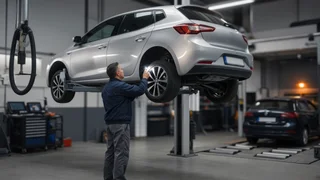
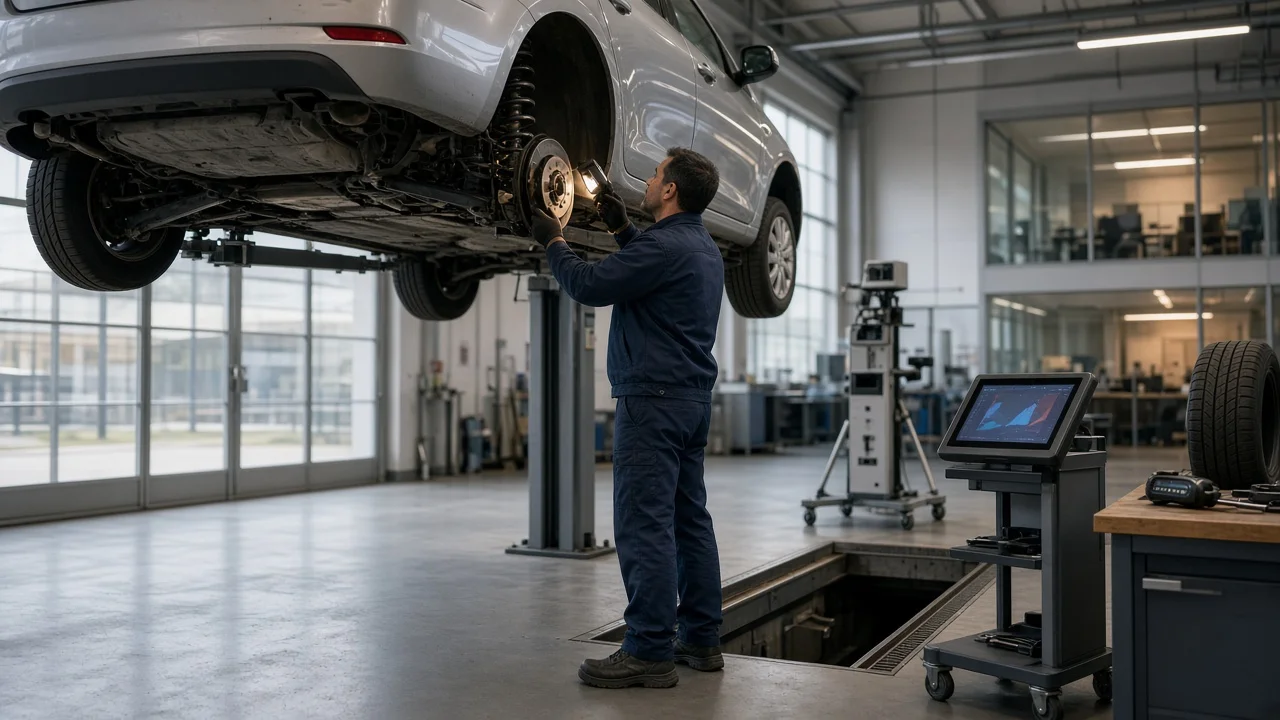
The general inspection reviews the vehicle's condition against legal requirements. The exhaust emissions check is part of the same visit rather than a separate appointment. Typical areas examined include:
Brakes and steering; Lighting and electrical equipment; Tires, wheels, axles and suspension; Body, chassis and structural condition, including corrosion; Visibility, including windows, mirrors and wipers; Exhaust emissions and related systems; Whether the vehicle matches its documents and any approved modifications
If the vehicle passes, the result is documented and an inspection sticker is applied to the rear license plate. The sticker shows when the next inspection is due. If defects are found, they are classified by severity. Under the European roadworthiness framework that Germany applies, the categories run from minor through significant to dangerous. Minor defects generally still allow a pass. Significant or dangerous defects require repair and re-inspection before certification.
How It Differs From Similar Services
TÜV SÜD compared with other inspection organizations: In Germany, the legally required inspection follows the same rules whichever recognized organization performs it. Others include DEKRA, GTÜ, KÜS and other TÜV organizations. The choice between them comes down to practical factors such as location, appointment availability and price, not to a different legal standard. Despite the shared name, the TÜV organizations are separate companies that serve different regions.
Inspection compared with servicing: A workshop service maintains or repairs the vehicle. A roadworthiness inspection only assesses and certifies its condition. Some workshops host inspection appointments on site. Even then, the certification itself is issued by the inspection organization, not by the workshop.
Periodic inspection compared with other TÜV SÜD vehicle services: TÜV SÜD also offers other vehicle-related services, such as approval of modifications and used-car condition assessments. These are separate from the periodic roadworthiness check and serve different purposes.
For Readers in the United States
In the US, there is no single national periodic car inspection. Whether a vehicle needs a safety inspection, an emissions test, both or neither depends on the state. In some states it also depends on the county. TÜV SÜD has a US presence, but the evidence available for this article does not establish that it performs state-mandated passenger-vehicle inspections. Your state's motor vehicle agency is the authoritative source for what is required and who may perform it.
If you are bringing a vehicle from Germany or another country, a German inspection record shows the vehicle's condition at the time it was checked. It does not by itself establish compliance with US federal import rules or state registration requirements, which are handled separately.
What This Overview Cannot Confirm
No verified source material was available for current prices, inspection intervals for specific vehicle types, station locations, opening hours, booking procedures or customer experiences. These details vary by country, vehicle category and vehicle age, and they change over time. Before booking or relying on an inspection result, confirm current requirements with the relevant authority or directly with the inspection provider.