TÜV Check Explained: What a TÜV Inspection Means
The short answer
A TÜV check is the common name for Germany's mandatory periodic roadworthiness inspection. Officially, this inspection is the Hauptuntersuchung (HU), meaning "main inspection." It confirms that a registered vehicle still meets the legal requirements for safety and environmental performance. People call it "the TÜV" because the TÜV organizations carry out a large share of these inspections, so the name of the inspector became the name of the test.
One qualification changes the answer. A TÜV check is not tied only to TÜV. In Germany, other officially recognized inspection organizations can also perform the same legally valid main inspection. When a German driver says the car is "due for TÜV," they usually mean the main inspection is due. They do not necessarily mean a TÜV-branded test center will do it.
What TÜV stands for
TÜV is short for Technischer Überwachungsverein, which translates as "Technical Inspection Association." The name covers a group of independent German organizations that test and certify technical equipment for safety. These organizations operate as separate regional companies, and their work goes beyond cars. Motor vehicle inspection is the work most drivers know them for.
What the inspection is meant to check
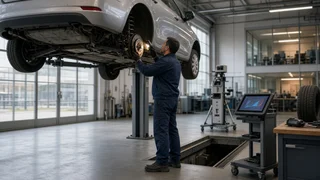
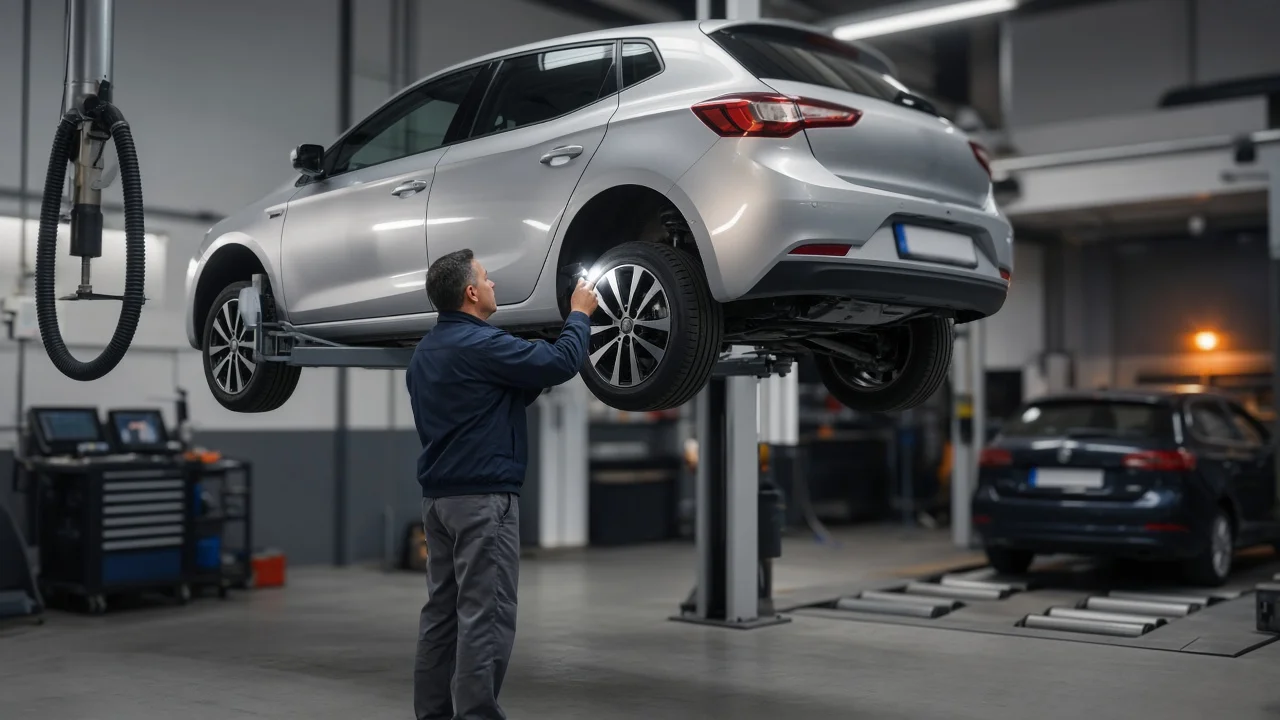
The main inspection checks whether a vehicle is roadworthy and still complies with the regulations that apply to it. In general terms, inspectors look at the following areas:
Brakes and their performance; Steering and suspension; Lights, signals and other electrical safety equipment; Tires and wheels; Body, chassis and structural condition, including corrosion that affects safety; Visibility, including glass, mirrors and wipers; Exhaust emissions, because the emissions test is now part of the main inspection; Whether the vehicle matches its registered configuration, including any modifications
If the vehicle passes, it receives an inspection sticker on the rear license plate. The sticker shows when the next inspection is due. If inspectors find defects, the vehicle must be repaired and checked again before it can pass. How serious the defect is determines what happens next.
How a TÜV check differs from related terms
Term | What it refers to; TÜV check / TÜV inspection | The everyday name for Germany's periodic roadworthiness inspection, taken from one group of organizations that performs it; Hauptuntersuchung (HU) | The official legal name of the periodic main inspection; TÜV organizations | Independent technical testing and certification companies, and only one of the bodies authorized to perform the HU; Modification approval | A separate TÜV-type assessment that confirms a modified part or change is acceptable for road use; US state vehicle inspection | Safety and/or emissions checks set by individual states, with requirements that vary by state
What this means for readers in the US
The United States has no single national inspection like Germany's main inspection. Each state decides whether to require vehicle inspections and what they cover. Some states require safety inspections, some require emissions testing, some require both, and some require neither for most passenger vehicles. A TÜV check is therefore a German legal requirement, not something US-registered vehicles go through.
US readers may still see the TÜV name in other places. TÜV companies certify many products sold worldwide. Some aftermarket parts are advertised as having German approval for road use. In those cases, "TÜV" refers to a certification or approval, not to a periodic roadworthiness inspection.
Information gaps to be aware of
This guide explains what a TÜV check is and how it fits into German vehicle administration. It does not include inspection intervals, fees, defect classification thresholds or recent rule changes, because no confirmed figures were available for it. These details depend on vehicle type and can change over time. Anyone who needs to arrange or interpret an inspection should check the current requirements with the relevant German authority or an authorized inspection organization. For US vehicles, check with your state's motor vehicle agency.