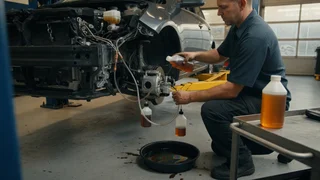
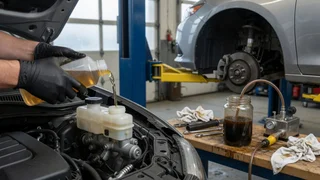
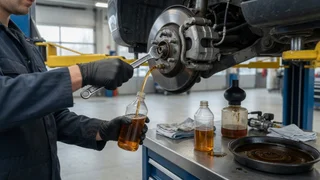
Tundra brake fluid change interval
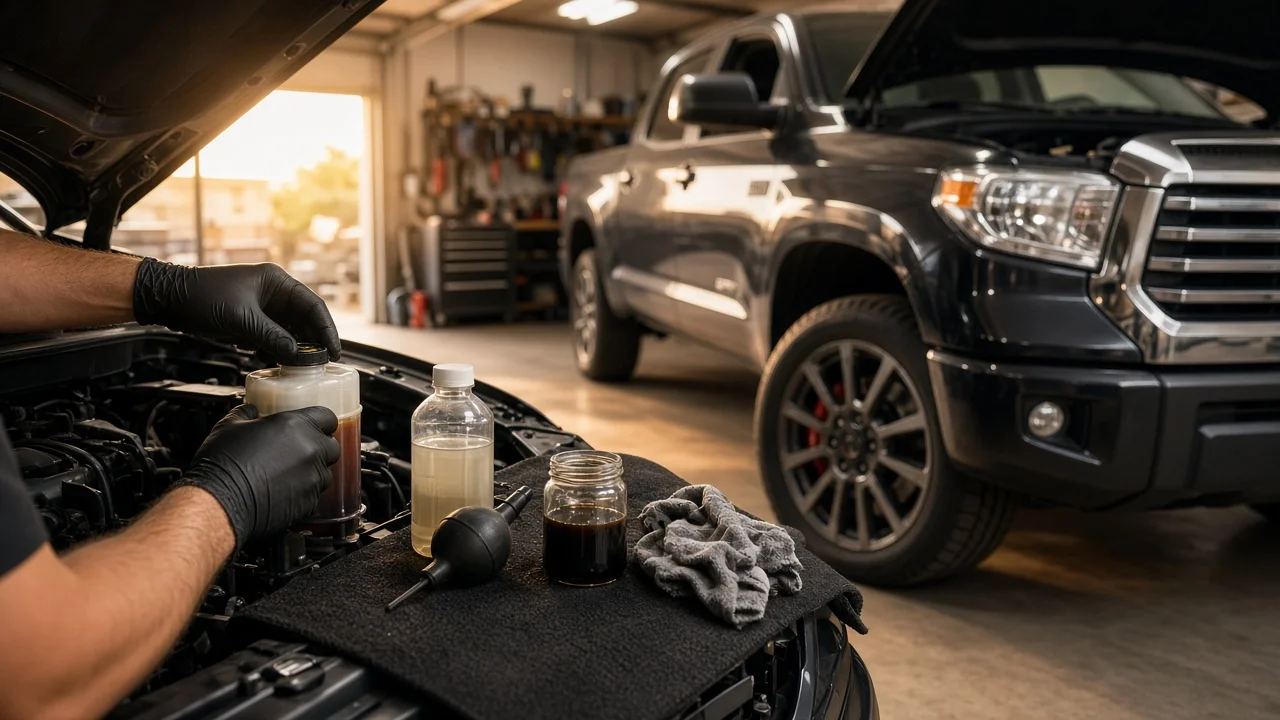
Hydraulic braking depends on brake fluid that remains stable under heat and moisture, yet the fluid degrades in ways a driver cannot see. A Tundra brake fluid change interval is not a decorative service item; it protects pedal feel, caliper response and internal component life. Owners often track pad and rotor wear closely while overlooking the fluid’s condition. Understanding how this fluid ages, why moisture matters and when a flush is advisable gives a clearer picture than a single universal mileage figure. The following sections explain the direct answer, how the system interacts with the fluid and what practical checks support a service decision.
Essential answer
The Tundra brake fluid change interval is commonly understood through time rather than mileage alone, because glycol-based brake fluid absorbs moisture slowly whether the truck is driven heavily or parked. Many service guidance approaches call for a replacement every two to three years, with more frequent flushing under repeated heavy braking, towing, mountainous driving or high humidity exposure. Since exact manufacturer schedules can vary by model year and region, owners should confirm the published maintenance plan for their specific Tundra rather than relying on a single universal number.
Brake fluid connects pedal pressure to the caliper pistons that squeeze the friction material against the rotors. When the fluid carries absorbed water, its boiling point drops, potentially creating vapor under sustained braking and a soft or sinking pedal. The change interval therefore reflects not just age but operating conditions. A truck used for towing or long descents heats the caliper repeatedly, so a brake fluid flush timed conservatively helps preserve firm pedal response and reduces the chance of heat-related fluid fade before visible component wear appears.