Truck Insurance in Texas: What to Check Before You Buy
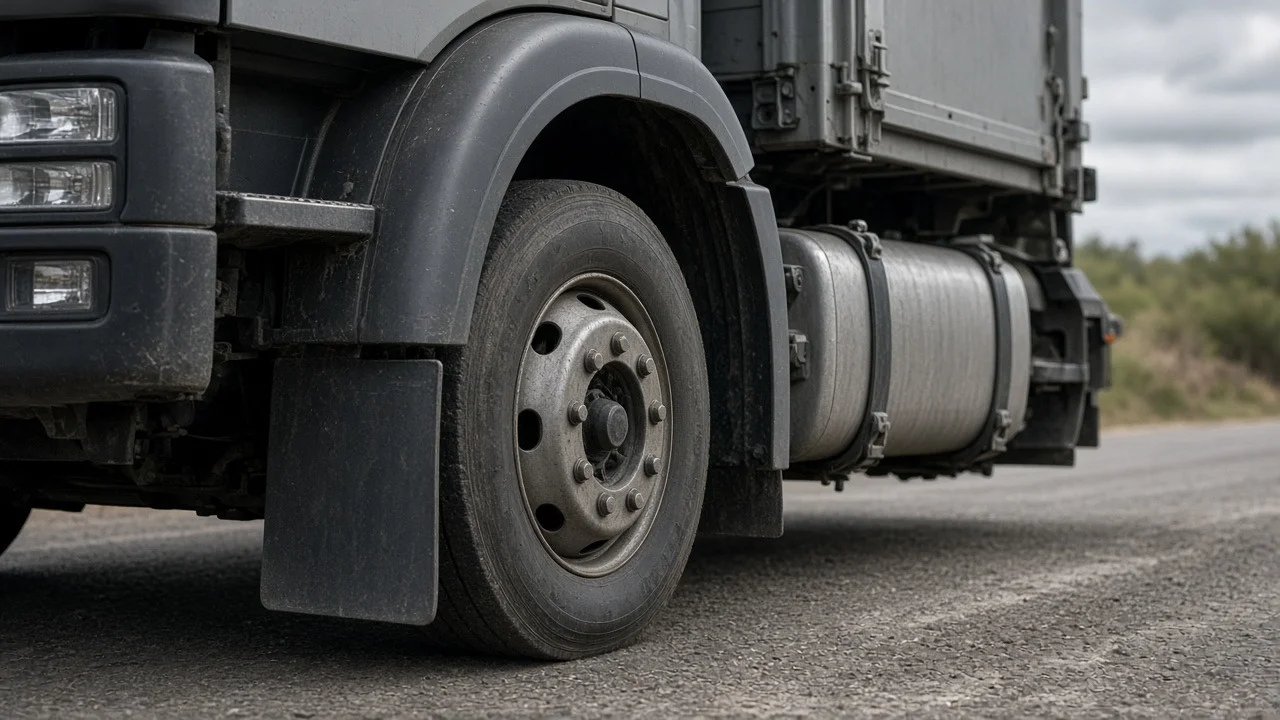
The right truck insurance in Texas depends on how the truck is used. A pickup used for commuting, errands and weekend towing can usually be covered by a personal auto policy, as long as it carries at least the state minimum liability limits of 30/60/25. A truck used to haul goods for pay, operate under a business, or run under DOT authority generally needs a commercial auto or trucking policy. Commercial minimums are much higher and are set by federal and Texas rules based on weight, cargo and where the truck operates. Getting the use category right is the most important decision. A personal policy can deny a claim that happens during business use.
Personal or commercial: which category your truck falls into
Insurers classify trucks by use, not body style. A full-size pickup and a work truck can be the same model, but they need different policies depending on what the owner does with them.
Situation | Typical policy type; Commuting, errands, personal trips | Personal auto; Towing a personal camper, boat or utility trailer | Personal auto, often with the trailer listed; Occasional use for your own job with tools aboard | Personal auto may work if disclosed; confirm with the insurer; Carrying tools and materials for a contracting business | Commercial auto; Hauling cargo or equipment for customers for pay | Commercial auto or trucking policy; Hotshot or freight operation under a USDOT number | Commercial trucking policy with required filings; Owner-operator leased to a motor carrier | Coverage split between carrier and owner-operator; usually needs non-trucking liability and physical damage
If your use is mixed or unclear, describe it in detail when you request quotes. Leaving out business use to get a lower personal rate is the most common reason truck claims get disputed.
Texas minimum requirements for personal trucks
Texas is an at-fault state. The driver who causes a crash is responsible for the other party's losses, and liability insurance pays for that responsibility. The state minimum is written as 30/60/25:
30 – up to $30,000 for injuries to one person; 60 – up to $60,000 total for injuries per accident; 25 – up to $25,000 for property damage per accident
Insurers in Texas must also offer personal injury protection (PIP) and uninsured/underinsured motorist coverage (UM/UIM). You can decline either one, but only in writing. Proof of insurance is checked electronically for registration and can be requested at traffic stops. Driving without coverage can lead to fines and other penalties.
The minimum is a legal floor, not a recommendation. A full-size truck can do serious damage to other vehicles and people. Repair costs for modern vehicles and medical bills can quickly exceed 30/60/25, and you are personally responsible for anything above your limits. Many truck owners choose higher liability limits, and some add an umbrella policy on top.
Commercial truck requirements in Texas
Commercial trucks fall under two sets of rules. The Federal Motor Carrier Safety Administration (FMCSA) sets minimum insurance for carriers operating across state lines. The Texas Department of Motor Vehicles sets minimums for carriers registered to operate only within Texas. In both cases, the required liability limit depends on the vehicle's weight rating and the cargo. Hazardous materials and passenger transport require the highest limits.
Carriers with operating authority usually need their insurer to file proof of coverage directly with the regulator. When comparing commercial quotes, confirm that the insurer can make the filings your operation needs, both federal and state. Without the right filing, your authority can be delayed or revoked even if you have a policy.
Common commercial trucking coverages
Primary auto liability – the required coverage for injuries and damage you cause to others; Physical damage – collision and comprehensive for your own tractor, truck or trailer; Motor truck cargo – covers freight you are hauling; shippers and brokers often require a specific limit; Non-trucking liability (bobtail) – covers an owner-operator driving for personal reasons when not dispatched under a carrier's authority; Trailer interchange – covers damage to a trailer you are pulling but do not own, under an interchange agreement; General liability – covers business risks not involving driving, such as injuries at a loading site; Occupational accident or workers' compensation – covers driver injuries; which one fits depends on how drivers are classified
Coverages worth considering for a personal truck
Collision – pays to repair your truck after a crash, regardless of fault, minus the deductible; Comprehensive – covers non-collision losses such as theft, fire, vandalism, hail, flooding and animal strikes; Uninsured/underinsured motorist – protects you when the at-fault driver has no insurance or not enough; PIP or medical payments – helps with medical costs for you and your passengers regardless of fault; Gap coverage – pays the difference between the truck's value and the remaining loan or lease balance if it is totaled; Rental reimbursement and roadside assistance – useful if the truck is your only vehicle or you depend on it for work
Texas weather makes comprehensive coverage especially relevant. Hailstorms and flash flooding are common in many parts of the state, and both are usually covered only under comprehensive. If the truck is financed or leased, the lender will almost always require collision and comprehensive, and may set a maximum deductible.
Truck-specific details that affect coverage
Towing and trailers
Liability from your truck policy often extends to a trailer while it is attached. Damage to the trailer itself, or theft of a trailer parked on its own, may not be covered unless the trailer is listed on the policy or insured separately. Campers and travel trailers can have their own policy types. Check how your insurer handles each trailer you own.
Modifications and aftermarket equipment
Lift kits, larger wheels and tires, custom bumpers, light bars, toolboxes and other upgrades raise the truck's value. Standard policies usually cover only limited aftermarket parts. Tell the insurer about modifications and ask about custom parts and equipment coverage. Some modifications, especially those affecting ride height or performance, can also change the premium or eligibility.
Tools and cargo in the bed
Personal auto policies generally do not cover tools, equipment or cargo carried in the truck. A personal item stolen from the cab may fall under homeowners or renters insurance, subject to its deductible. Business tools usually need an inland marine or tools-and-equipment policy. Freight hauled for customers needs cargo coverage.
What influences the price
Rates vary by insurer and by driver, so no single figure applies across Texas. The factors that typically move the premium are:
Driving record and claims history of everyone listed; Where the truck is garaged; urban areas and high-hail regions often cost more; Truck make, model year, trim and repair costs; How the truck is used and how many miles it is driven; Liability limits, chosen coverages and deductibles; For commercial policies: radius of operation, cargo type, years in business, driver experience and safety record
Checklist for comparing quotes
Describe the truck's use accurately, including any business, delivery or hauling work; Request the same liability limits, deductibles and coverages from each insurer so the quotes are comparable; Decide in advance whether to keep or reject PIP and UM/UIM, and know that a rejection must be in writing; List every regular driver and every trailer you tow; Disclose modifications and ask how aftermarket equipment is valued; Check whether a total-loss payout is based on actual cash value or another method; Ask about available discounts, such as bundling, multiple vehicles, safe driving or telematics programs; For commercial policies, confirm the insurer can make the regulatory filings you need and meet any cargo limits required by brokers or shippers; Review the policy's exclusions, especially those for business use, racing, off-road use and unlisted drivers; Compare the insurer's claims process and its availability where you drive
If you need to file a claim
Make sure everyone is safe and report injury crashes to law enforcement; Exchange insurance and contact information with the other drivers; Photograph the vehicles, the scene, the road conditions and any cargo or trailer damage; Notify your insurer promptly; most policies require timely reporting; Keep receipts for towing, rental and other expenses; For commercial trucks, follow your carrier's accident procedure and any drug and alcohol testing rules that apply after certain crashes
Choosing your next step
Start by placing your truck in the right category. For a personal pickup, that means comparing personal auto quotes with liability limits above the Texas minimum, comprehensive coverage that fits local weather risk, and coverage for trailers and modifications. For a work or freight truck, it means contacting insurers or agents who write commercial auto or trucking policies, sharing your weight ratings, cargo and operating area, and confirming the filings and limits your operation must meet.