TRQ brake pad and rotor kit review
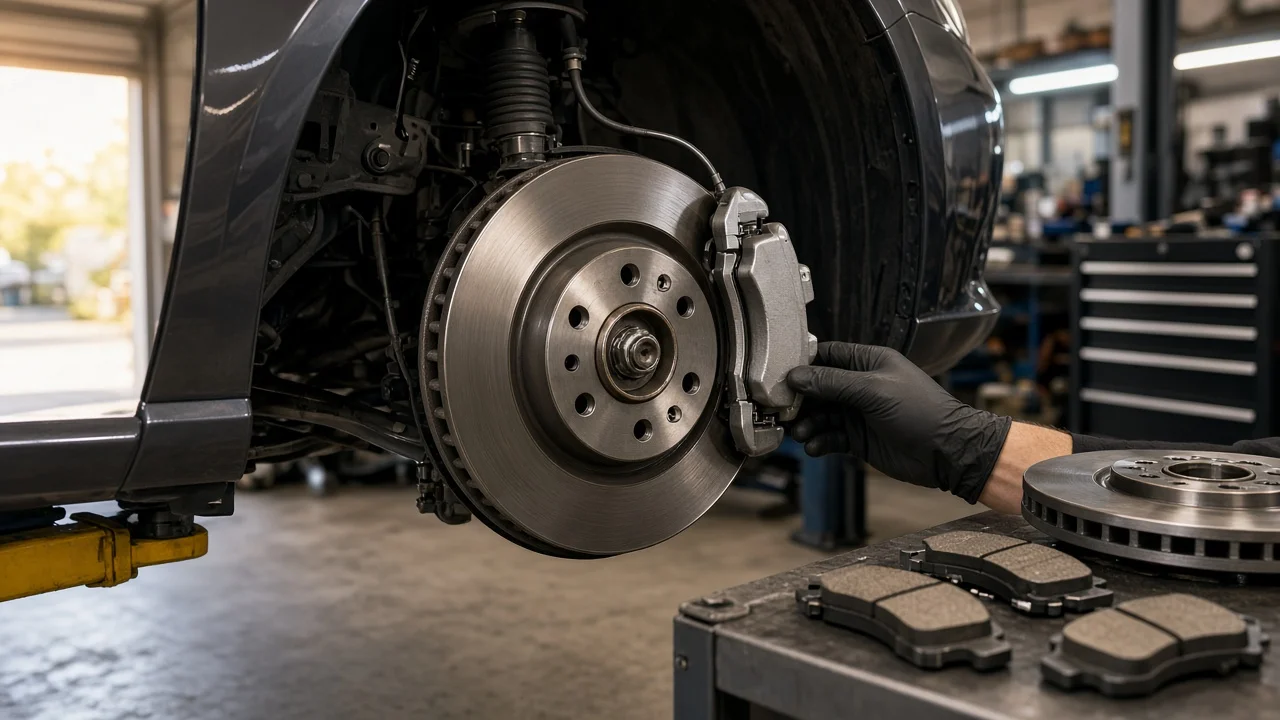
A brake pad and rotor kit can feel like a big purchase because it touches safety, pedal feel, and long-term running costs. Shoppers often search for a TRQ brake pad and rotor kit review hoping for a simple verdict, but the useful answer depends on vehicle fitment, driving conditions, and how the friction material and rotor metallurgy work together as a system. The caliper and brake fluid condition also shape the final result. This guide explains what to inspect and interpret before choosing a replacement kit.
The direct answer
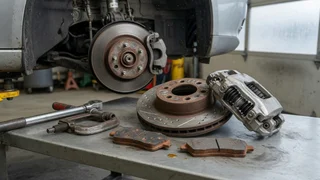
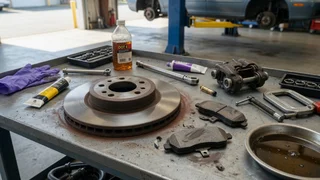
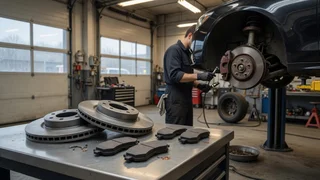
A TRQ brake pad and rotor kit is best understood as an assembled replacement option rather than a standalone performance upgrade. The pads and rotors are matched to fit the intended axle, and the primary value is convenience: fresh friction surfaces arrive together, reducing the chance of pairing worn rotors with new pads. Because wear limits and vehicle fitment dictate whether the kit is appropriate, the practical answer starts with confirming the exact submodel, build year, and brake package before judging the parts themselves.
The immediate buying decision usually comes down to condition, not brand alone. If the rotors show deep scoring, heat checking, or thickness near the minimum specification, replacing them alongside the pads makes mechanical sense. If the caliper slides are sticking or the brake fluid is old and moisture-laden, even a quality kit will not restore a firm pedal on its own. Therefore, the review-oriented question should be reframed as a compatibility and condition question first, with the kit evaluated as one coherent replacement assembly.