Triumph Bonneville rear brake disc
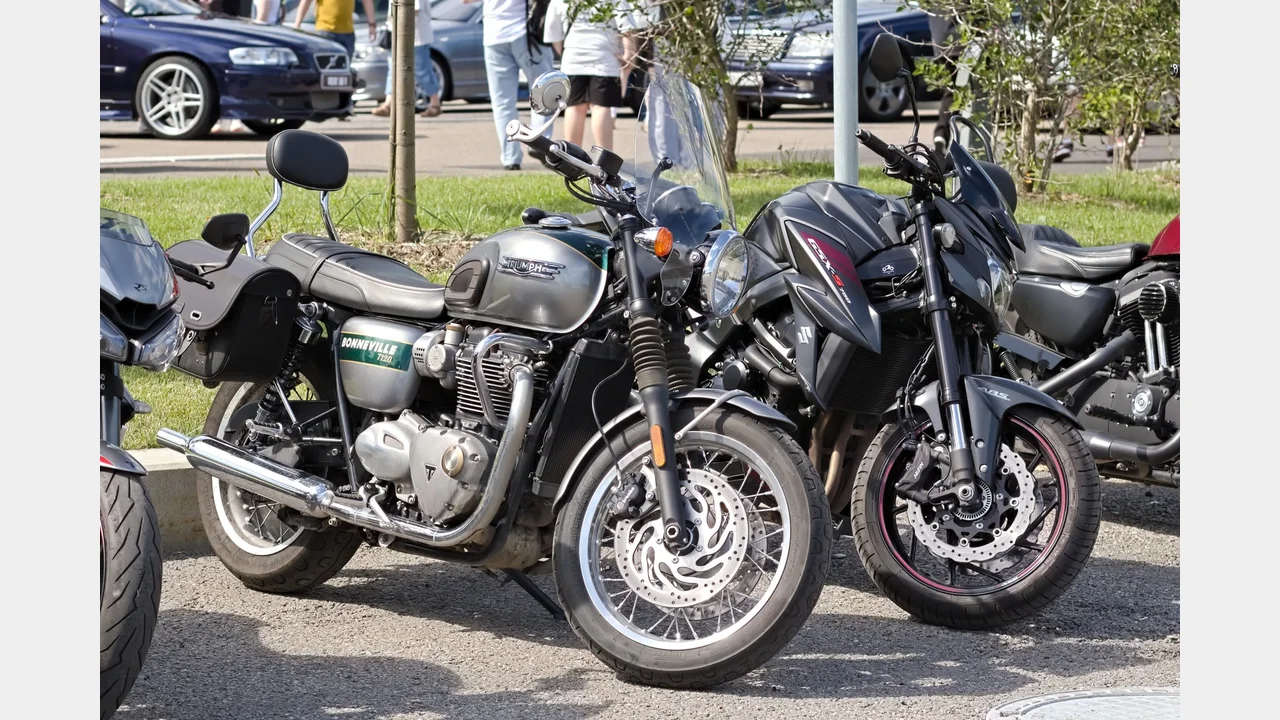
Choosing a Triumph Bonneville rear brake disc involves more than matching a part number. The rear setup operates differently from the front, often with a smaller rotor, a single caliper, and lower hydraulic pressure. Riders evaluating a replacement should check wear limits, mounting pattern, and how the new disc will work with the existing brake pads and caliper. This guide explains what to look for and how to make a confident purchase decision for a classic or modern Bonneville.
The direct answer
The right Triumph Bonneville rear brake disc is the one that matches the exact year and wheel variation of your motorcycle. Rear rotors on Bonneville models can differ in diameter, offset, bolt circle, and thickness depending on whether the bike uses cast wheels or wire-spoked wheels. Before ordering, confirm vehicle fitment using your frame or VIN information and compare the worn disc against the manufacturer wear limits. A disc that looks similar may still place the caliper too far inboard or outboard.
Because the rear brake contributes less stopping force than the front, riders sometimes overlook rotor condition. However, a worn or warped rear disc still affects pedal feel, increases stopping distance, and can overheat the brake fluid. Check for deep grooves, a pronounced lip at the outer edge, heat discoloration, and thickness below the service minimum. If the friction material on the brake pads is heavily tapered or glazed, replace the pads when fitting a new rear rotor so both surfaces bed in evenly.