Traveling within canada driving
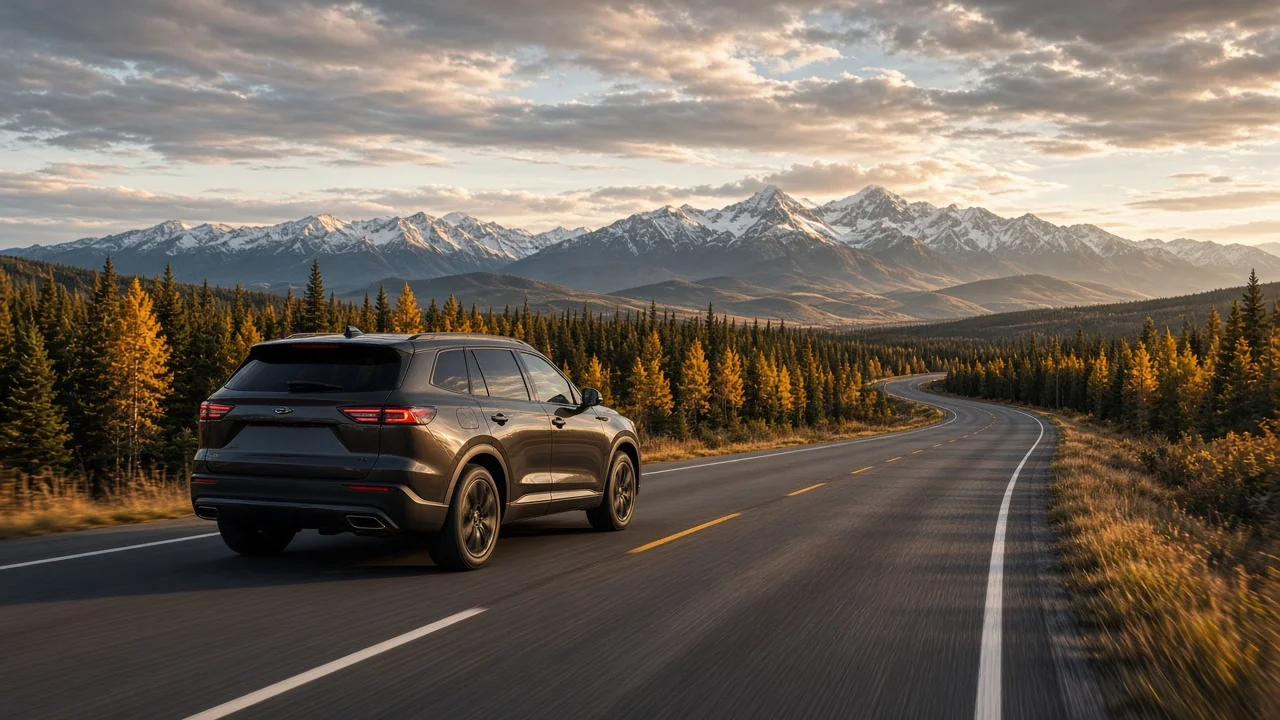
Driving between Canadian provinces turns a routine highway trip into a long-distance exercise in reading road conditions, regional advisories, and changing terrain. Traveling within Canada driving often means crossing several route segments in a single day, with weather fronts, construction zones, and rural fueling gaps shaping the pace. The same paved route can shift from dry asphalt in one province to snow-covered hills a few hundred kilometers later. A driver who treats the crossing as one continuous road trip, rather than a series of local conditions, is better prepared for the distances and driving rhythms that define interprovincial travel.
Essential answer
Yes, you can drive between Canadian provinces on public highways, and the essential task is planning for long route segments where conditions change faster than a city commute. Provincial border crossings by road are generally open and do not require a passport for domestic travel, but they do require attention to road surface, fuel spacing, weather visibility, and local traffic rules. Traveling within Canada driving is less about permission and more about endurance, preparation, and reading official road advisories before each leg.
A closure notice for one affected lane or a mountain pass can add hours to a planned day because detours may run through less direct secondary roads. Advisory time matters when a storm is expected to arrive mid-afternoon or when overnight freezing changes wet pavement. For a driver, the practical answer is to treat interprovincial driving as a series of connected conditions: check the route segment ahead, interpret advisories for visibility and road surface, and adjust speed or stops before the next province rather than at the border itself.